
Ask most coffee buyers about Vietnam, and you’ll hear the same thing: “Great volume. Reliable Robusta. Commodity grade.”
That answer made sense for a long time. But it’s getting more outdated by the season.
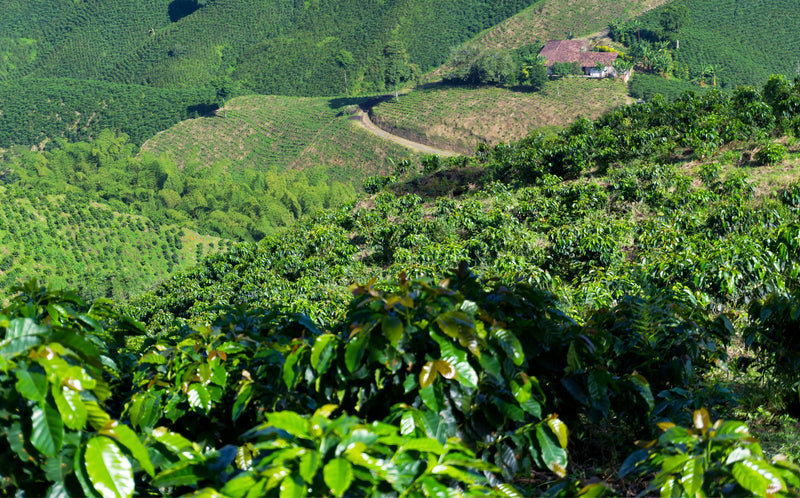
Across the highlands of Đắk Lắk, Lâm Đồng, Sơn La, and Kon Tum, a new generation of Vietnamese farmers is quietly rewriting the script. They’re not just growing more coffee. They’re growing better coffee, on purpose, with real craft behind it. And the results are starting to turn heads in specialty markets from Europe to East Asia.
So what’s actually changing? And why now?
The old model: Volume at any cost
To understand where Vietnamese coffee is going, it helps to understand where it came from.
Vietnam’s coffee industry grew up in a hurry. Through the 1980s and 1990s, the government pushed Robusta cultivation hard across the Central Highlands, and farmers responded. By the early 2000s, Vietnam had become the world’s second-largest coffee producer, pumping out millions of tons of Robusta for global commodity markets.
It was a system built entirely around quantity. Harvest everything fast, sell it cheap, repeat. Farmers got paid the same regardless of quality, so there was no reason to slow down or be selective. Coffee got strip-picked before it was fully ripe. Post-harvest processing was rushed: wet-hulled and dried as quickly as possible to move product.
The coffee served its purpose. It ended up in instant coffee jars and commodity espresso blends around the world. But nobody was writing tasting notes about it.
Farmers weren’t doing anything wrong. They were just responding rationally to a system that rewarded quantity over quality. The problem was the system itself.
What changed and why now
The shift didn’t happen overnight. It came from a few different directions at once.
- Vietnam’s own coffee culture grew up. Cities like Hanoi and Ho Chi Minh City developed a real specialty café scene through the 2010s. Vietnamese consumers started paying more for single-origin cups, asking questions about processing methods, and comparing flavor profiles. For the first time, farmers supplying these cafés could see with their own eyes that better coffee earned better prices. That’s a powerful lesson.
- International buyers started paying attention. As supply tightened in established origins like Ethiopia and Colombia, importers and roasters began exploring Vietnam more seriously. What they found surprised many of them: microlots from the Vietnamese highlands with genuine complexity. Fruit-forward Arabicas from the cool plateaus of Đà Lạt. High-altitude Robusta from Sơn La with an earthy depth that commodity lots never showed. Small farms in Kon Tum experimenting with wild fermentation. The potential was clearly there.
- Knowledge became accessible. This one is easy to underestimate. Thanks to YouTube, social media, and growing networks of specialty roasters working directly with origin farms, Vietnamese farmers got access to information that simply wasn’t available to the previous generation. How fermentation affects flavor. Why drying speed matters. What buyers in Tokyo or Copenhagen are actually looking for. Once farmers understood the connection between their decisions on the farm and what ends up in the cup, many of them started making different decisions.
The innovations happening on the ground
1. Controlled fermentation and anaerobic processing
If there’s one change that signals how serious Vietnamese farmers are getting, it’s this one.
Traditional Robusta processing in Vietnam was fast and simple: wash or wet-hull the cherry, dry it quickly, move on. No one was spending much time thinking about fermentation.
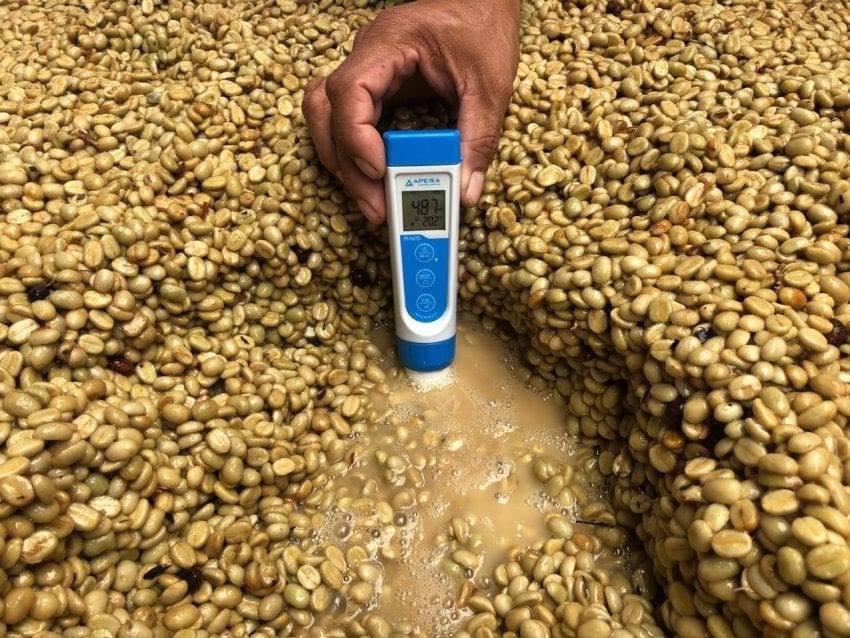
Today, a growing number of farms are experimenting with anaerobic natural processing, where harvested cherry is sealed inside oxygen-free tanks and left to ferment for a carefully controlled period before being dried. The flavor results can be remarkable: deep fruit notes, chocolate, hints of stone fruit, a natural sweetness that most people would never expect from a Vietnamese Robusta.
Getting it right takes real skill. Temperature has to be monitored. Fermentation time has to be dialed in. Leave the tanks too long and you get defects. The farms doing this well have invested serious time learning the science, not just copying a technique. And you can taste the difference.
2. Selective harvesting
This one sounds obvious. In practice, it’s one of the hardest changes to make.
For decades, the standard approach was strip-picking: grab a branch, pull everything off at once, and move to the next tree. It’s fast. But you end up with a mix of unripe green cherry, perfectly ripe red cherry, and overripe cherry all in the same bag. That variation puts a hard ceiling on how good the final cup can ever be, no matter how carefully you process it afterward.
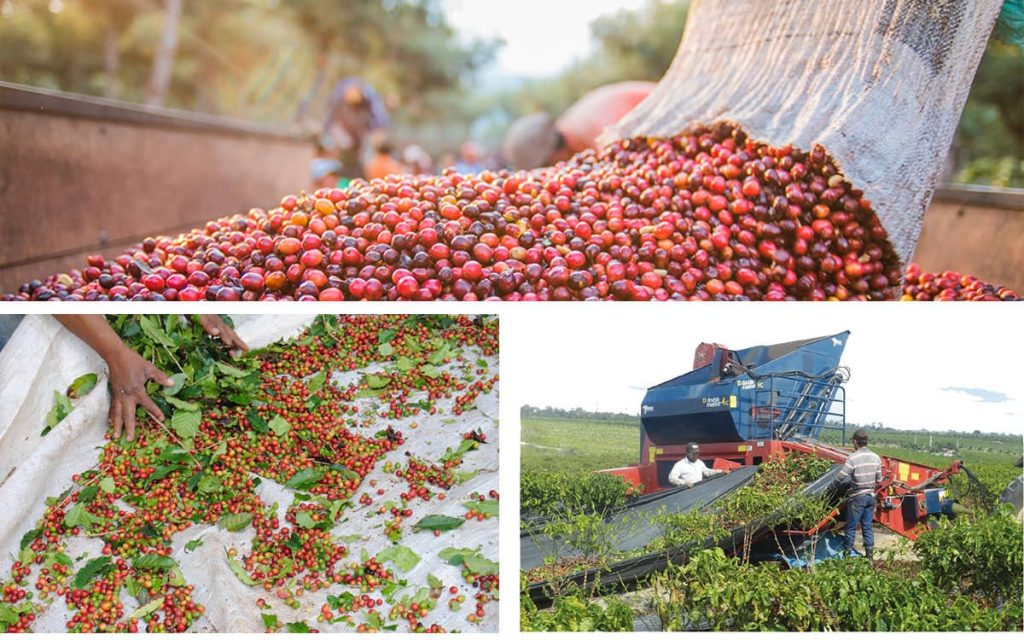
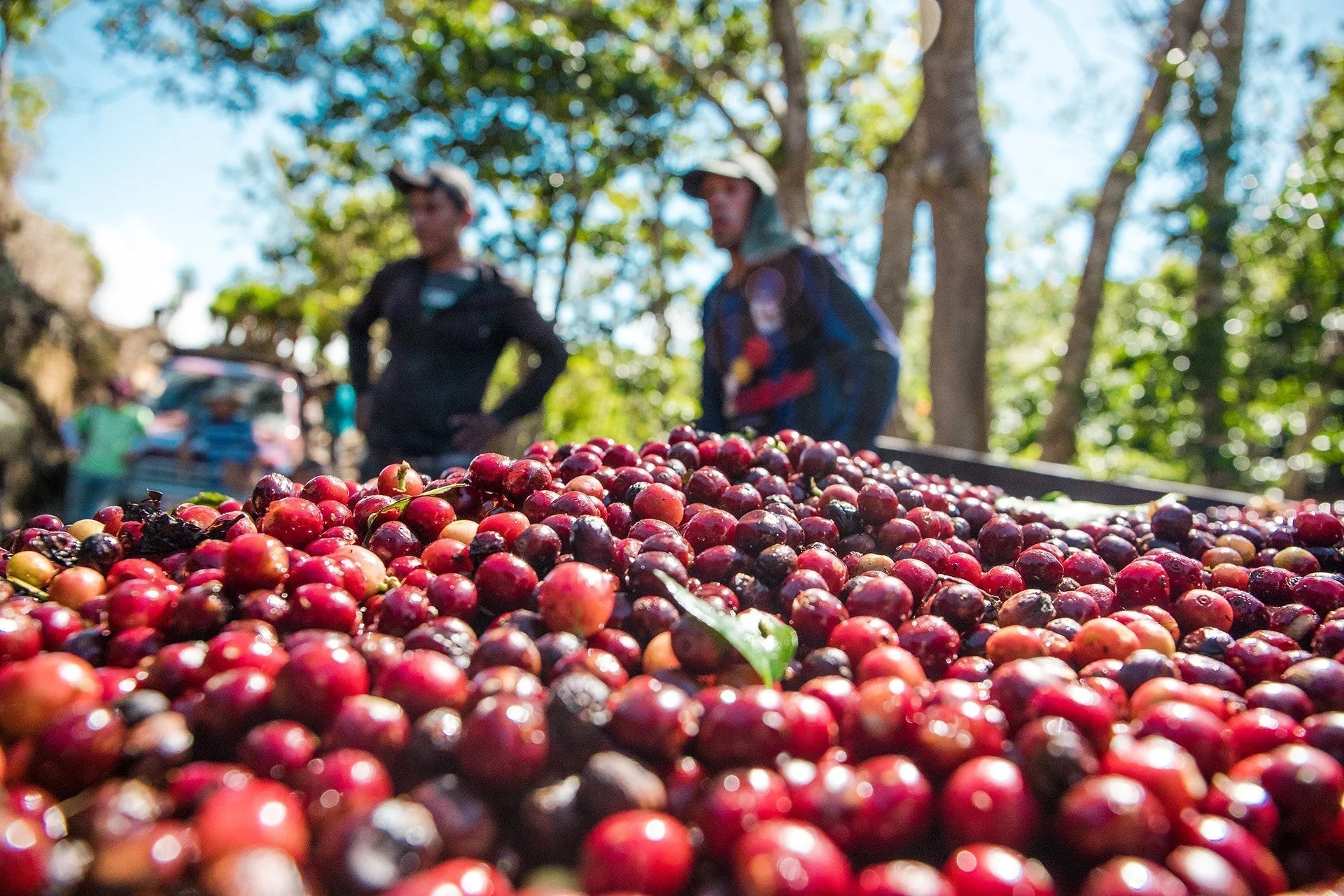
Farmers now targeting the specialty market have shifted to selective hand-picking, going back to each tree multiple times through the season to harvest only the fully ripe red cherry. It’s more labor. Yields per pass are lower. But the quality of the raw material goes up significantly, and that’s what makes everything else possible.
Read more: Manual harvesting vs Machine harvesting coffee: Which is better?
3. Altitude and terroir awareness
Something that might seem basic is actually fairly new in Vietnam: farmers thinking carefully about where they grow, not just what they grow.
Vietnam’s coffee regions are remarkably diverse. Sơn La in the north sits above 1,000 meters, producing beans with more acidity and brightness than lowland lots. Đắk Lắk’s volcanic red basalt soil gives its Robusta a distinctive earthy depth. Đà Lạt’s cooler temperatures allow Arabica to develop more slowly, building complexity that warmer climates can’t match.
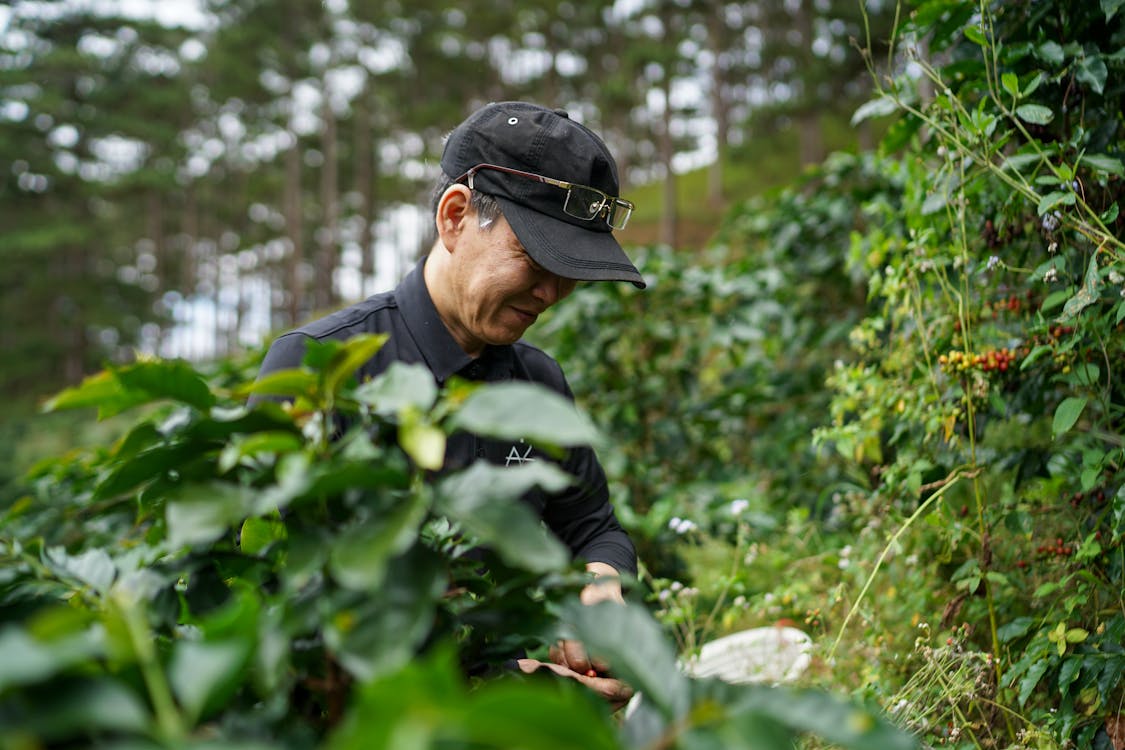
Farmers who recognize these differences are now separating their lots by altitude and growing location rather than mixing everything together. For buyers, this means something genuinely new: the ability to source Vietnamese coffee the way you’d source from any other serious origin. A specific farm. A specific hillside. A specific processing method. That’s traceability, and it’s what specialty buyers need.
4. Drying infrastructure investment
It’s not a glamorous topic, but how coffee is dried has an enormous impact on what ends up in the cup.
For a long time, roadside drying on plastic tarps was standard in Vietnam. Coffee dried unevenly, got contaminated by dust and exhaust, and was rushed through to meet delivery schedules. The damage showed up in the cup as flat, inconsistent flavor and elevated defect counts.
Farmers serious about quality are now building or buying raised drying beds, which allow air to circulate under the coffee and dry it much more evenly. Some have added simple covered structures to protect drying lots from rain. These aren’t dramatic investments, but they consistently produce cleaner, more uniform lots that buyers can rely on.
The role of direct trade and partnerships
Here’s something that often gets missed in discussions about origin quality: farmers can’t improve in a vacuum.
The fastest-improving farms in Vietnam almost all have one thing in common. They’re connected to buyers, roasters, or export partners who give them honest feedback on cup quality and who pay more when that quality improves. That feedback loop is what makes sustained improvement possible.
This is the real logic behind direct trade. When a farmer in Đắk Lắk knows that a clean anaerobic natural lot will earn 20 to 30 percent above commodity price, they have a concrete reason to invest the extra labor and care. When they sell through intermediaries who pay the same rate regardless of quality, there’s simply no incentive to do anything differently.
Buyers and roasters who build direct relationships with Vietnamese farms aren’t just accessing better coffee. They’re actively participating in creating it.
Fine Robusta: the quiet revolution
Most of the specialty coffee world has been focused on Arabica. But the more interesting story in Vietnam might actually be what’s happening with Robusta.
Robusta has a bad reputation in specialty circles. It’s associated with bitterness, rubbery texture, and the kind of bulk coffee that fills cheap supermarket blends. That reputation, though, was built entirely on commodity-grade Robusta that was grown and processed with no attention to quality.
What happens when you apply specialty-grade thinking to Robusta? Selective harvesting. Controlled fermentation. Careful drying. The cup that comes out of that process is surprisingly different: full-bodied, complex, with chocolate and fruit notes, and a natural caffeine intensity that no Arabica can match.
This category now has a name. Fine Robusta is a recognized classification supported by the Specialty Coffee Association, and it’s gaining real traction among roasters in Europe, Japan, and South Korea who are looking for differentiated ingredients for espresso blends and single-origin offerings.
Vietnam grows about 95% of its coffee as Robusta. That’s not a weakness anymore. For farmers who are willing to treat their crop with the care it deserves, it’s an enormous opportunity.
What this means for buyers
For wholesale buyers, importers, and café operators, all of this translates into something practical: Vietnam is now a credible source for specialty-grade coffee in a way it wasn’t even five years ago.
Specifically, that means:
- Traceable single-origin lots from named farms and documented processing methods
- Fine Robusta with complexity and consistency suitable for specialty espresso blends
- Anaerobic and natural processed coffees with flavor profiles that hold their own against East African and Latin American competition
- Direct trade relationships that give you supply chain visibility and long-term pricing stability
One thing worth knowing: the best lots are small and move quickly. Farmers building quality reputations develop buyer relationships early, and allocation goes to those partners first. Waiting to see how this plays out means competing for what’s left.
The bigger picture
What’s happening across the Vietnamese highlands isn’t just a quality upgrade story. It’s something a bit more meaningful than that.
For most of its modern history, Vietnam’s place in the global coffee industry was fixed: grow volume, take whatever price the market offered, and have no real identity in the supply chain. Individual farmers were invisible. The coffee they grew was anonymous.
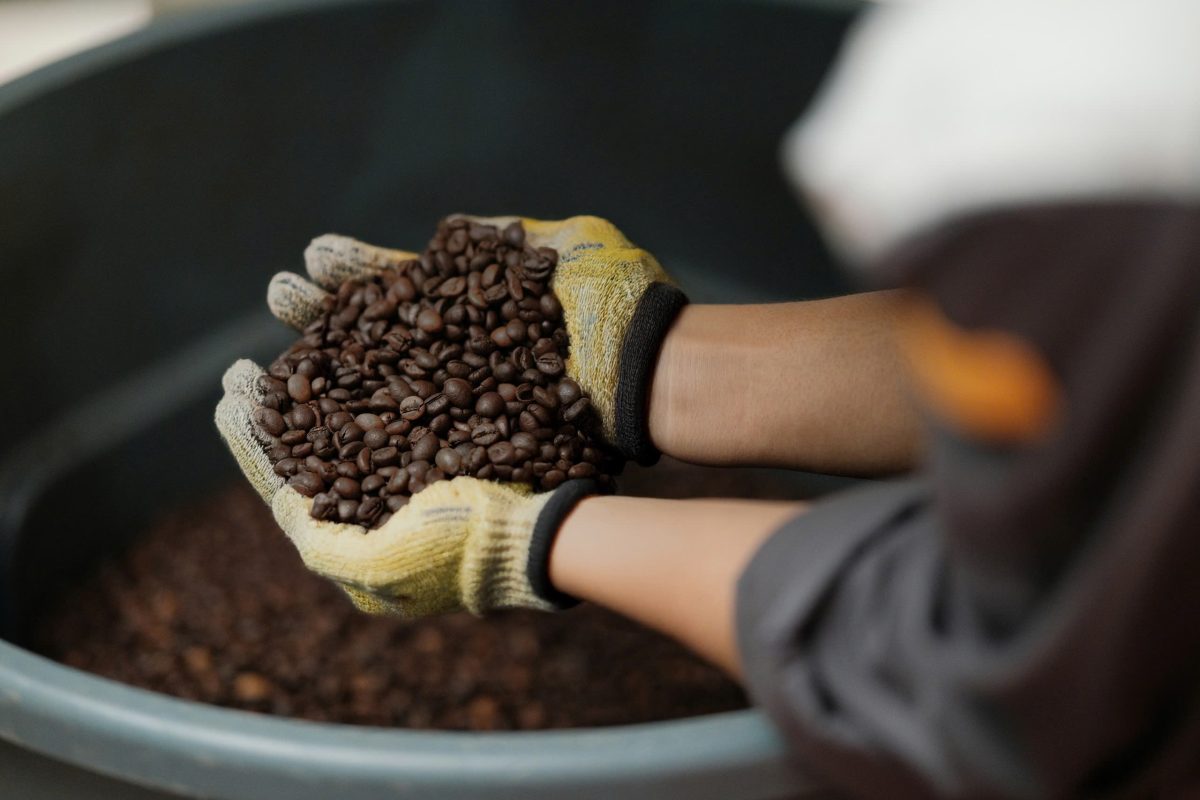
That’s changing. When a smallholder farmer in Đắk Lắk processes a lot that ends up in a specialty café in Amsterdam or Seoul, and the roaster there knows the farmer’s name and the farm’s story, something real has shifted. The farmer has a reputation now. The quality of their work is visible and valued. And the price they earn reflects that.
It’s a slow change. It won’t happen at the same pace across the whole country. But the direction is clear, and the farmers leading it are not waiting for anyone’s permission to keep going.
Read more: Vietnam Robusta coffee price 2026
Hello 5 Coffee works directly with Vietnamese farmers who are doing this kind of work. We source specialty-grade and Fine Robusta for wholesale buyers and importers who care about where their coffee comes from. Take a look at what we’re currently offering at hello5coffee.com.
