
Preparing beverages for business is very different from making drinks for personal consumption. When running a coffee shop, you must consider ingredient costs, preparation speed, and whether the drinks match customer preferences. You cannot simply pick items based on personal taste. Therefore, building a proper menu for a coffee shop is extremely important.
With experience working with international partners and F&B chains, Hello 5 Coffee – a supplier and exporter of premium & specialty Vietnamese coffee – will guide you through how to build a coffee shop menu to maximize profits.
1. Define Your Core Menu
1.1. Must-have drinks
Depending on your shop’s concept, each menu will be different. However, to attract customers effectively, you should include “familiar” and “safe” drink categories alongside more modern options to provide variety.
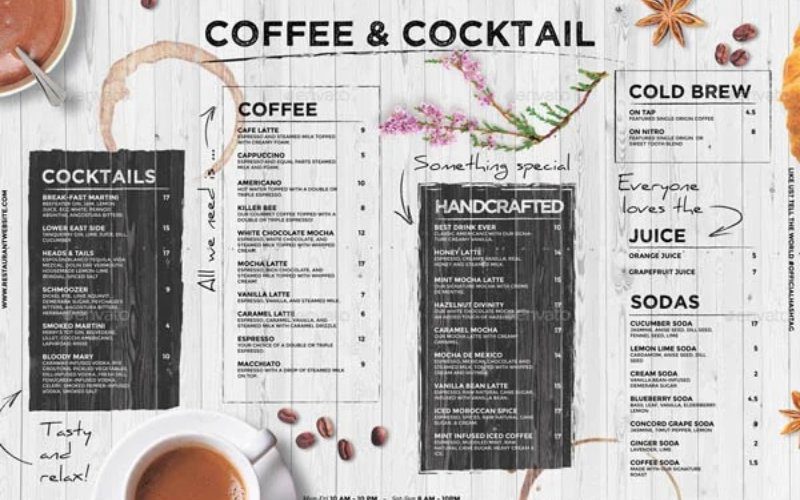
Essential drink categories include:
Coffee:
- A coffee shop cannot exist without coffee. This includes traditional Vietnamese black coffee, milk coffee, and modern espresso-based drinks like cappuccino, latte, mocha, and espresso.
- Coffee is an essential part of any menu.
- With ingredients from Hello 5 Coffee, shops can elevate their drink quality using premium & specialty Vietnamese coffee, delivering clearer flavors, better consistency, and a stronger brand identity.
- Your menu should balance traditional and modern coffee options while continuously updating global coffee trends. Refreshing your coffee offerings regularly is key to staying competitive.
Fruit-based drinks:
- Juices rich in fiber and nutrients such as strawberry, pineapple, plum, apple, and orange are always popular. Smoothies like avocado or blueberry are also essential menu items.
- Blended iced drinks are another popular addition that enhances menu diversity.
- Fruit juices are a must-have in any coffee shop.
Tea-based drinks:
- Tea, whether hot or iced, is an important category with popular options like peach lemongrass tea or apple mint tea.
- Many people assume coffee shops only focus on coffee, but to stay competitive, expanding your menu is necessary. Tea-based drinks are highly popular among young people and office workers today.
1.2. Seasonal and trending drinks
In addition to core drinks, adding seasonal and trending items makes your menu more attractive.
Seasonal drinks like hot tea, hot cocoa, and hot chocolate are ideal for winter. Instead of selling them year-round, create seasonal menus to avoid unnecessary costs.
An effective menu continuously updates with trends.
Trending drinks help differentiate your menu. Shop owners should actively research the market and innovate new recipes.
Working with Hello 5 Coffee also allows access to globally trending specialty coffee styles such as single origin, cold brew, and pour over.
An optimized menu is the strength of any coffee shop.
1.3. Combo and promotional offers
Combos are highly favored by customers. They usually include drinks paired with snacks, making it easier for customers to choose.
Combos should feature best-selling or signature items, especially specialty coffee drinks.
They provide convenience, perceived savings, and help increase average order value, boosting revenue.
2. Cost calculation
After defining your menu, the next step is calculating costs and pricing.
To price a drink, consider:
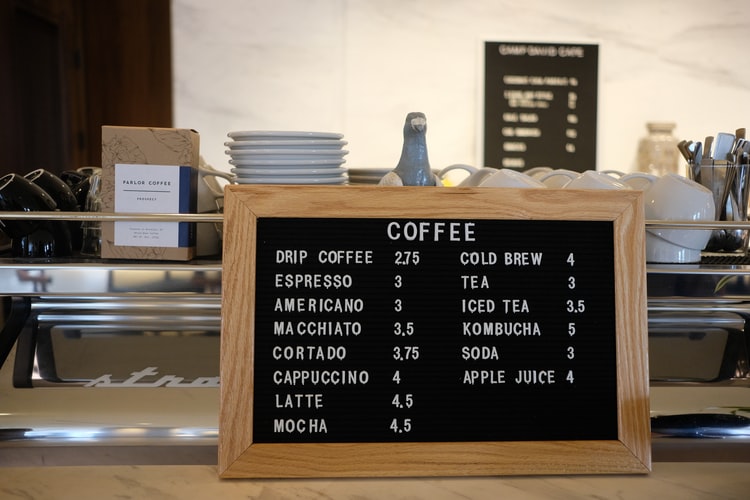
- Ingredient cost: typically 20–35% of selling price
- Operating costs: rent, staff, utilities
Market pricing is also crucial. If your prices are higher than competitors, you must offer clear added value.
Using stable, high-quality coffee sources helps control costs and reduce fluctuations.
To optimize costs:
- Maximize ingredient usage
- Streamline preparation processes
- Ensure easy storage
Read more: How Much Profit Can You Make From One Cup of Coffee?
3. Menu balancing
A good menu must adapt to fluctuating ingredient prices.
Prices of fruits and coffee can change seasonally, but menu prices cannot change constantly. Therefore, pricing strategy must be carefully planned.
Stable suppliers help coffee shops better control costs, especially for long-term operations or expansion.
4. Menu design
Menu design directly impacts customer experience and perceived professionalism.
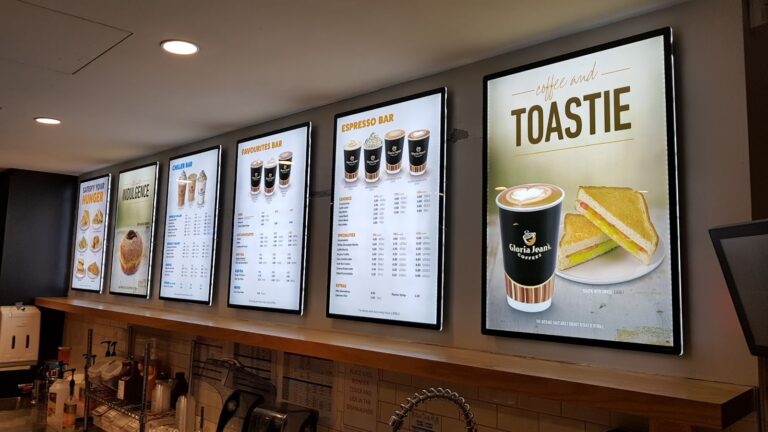
- Single-page menu: Simple, cost-effective, and easy to update, but less effective at highlighting signature items.
- Book-style menu: Allows better categorization and visuals, offering a more professional feel, but costs more.
- Board menu: Common in take-away models, providing clarity and efficiency.
Depending on your business model, you can choose or combine these formats.
The ultimate goal is to provide a fast and convenient customer experience.
