
Every coffee brand eventually faces the same strategic question: should we build our identity around single-origin coffees, signature blends, or both? It sounds like a simple product decision. In reality, it shapes your sourcing strategy, your brand positioning, your pricing power, and who your customer actually is.
Most articles on this topic are written for individual coffee drinkers choosing a bag at the supermarket. This one is written for roasters, importers, and coffee brand owners who need to make the decision with real business consequences in mind.
Blend vs. Single Origin Coffee: Definition
A single-origin coffee comes from one defined source: a country, a specific region, a single farm, or even a single plot within a farm (called a microlot). The more specific the origin, the more the coffee expresses a distinct terroir — the unique combination of altitude, soil, microclimate, and processing that gives beans from that location their individual character.
A coffee blend combines beans from two or more origins to achieve a target flavor profile. Blending is not a compromise or a shortcut. At its best, it is a deliberate craft — using the acidity of one origin to balance the body of another, or combining complementary processing methods to build complexity that no single origin could produce alone.
The critical point that most discussions miss: neither is inherently superior. They serve different strategic purposes. The question is not which one is better in the abstract — it is which one is right for your brand’s goals, market position, and operational model.
The business case for single-origin coffee
Brand differentiation and perceived value
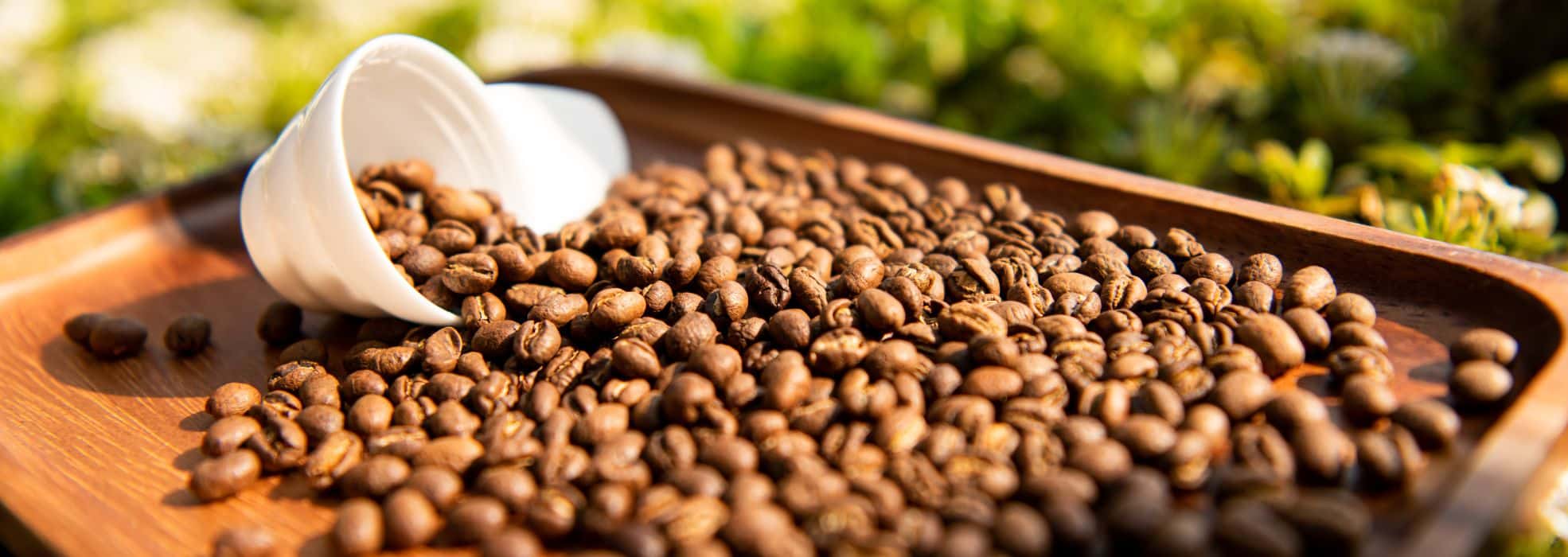
Single-origin coffees helped roasters differentiate their brands through traceability — signaling to customers that something was genuinely different about their coffee. In a crowded market, that signal still works powerfully.
When you stock a traceable single-origin coffee with documented altitude, processing method, and farm name on the packaging, you are communicating expertise and quality before a customer takes a single sip. Even when single origins account for a relatively small percentage of overall sales, they sit at the core of a brand’s story and philosophy.
This is the “halo effect” of single origins: they elevate perception of everything else you sell. A roaster who carries a well-documented Vietnamese microlot Robusta or a rare Da Lat Arabica signals to buyers that they know what exceptional coffee looks like — and that credibility transfers to their entire range.
Premium pricing
Single-origin coffees command a measurable price premium in the market. Single origins are often seasonal and more expensive due to limited harvests and higher production standards. Scarcity and traceability together justify higher price points that blends rarely achieve.
For brands targeting specialty coffee consumers — who now represent the fastest-growing segment of the global coffee market — single origins are increasingly the expected entry point, not a luxury tier.
The traceability trend is accelerating
Consumer demand for transparency has reshaped the coffee industry over the past decade and shows no sign of slowing. Brands are becoming increasingly conscious of the demand to know the story behind the bean. Younger consumers in key markets — the US, UK, Japan, South Korea, and Australia — actively seek out farm-level traceability and ethical sourcing credentials.
Single origins, by definition, are easier to trace and tell stories about. That story-driven content fuels social media, packaging copy, and wholesale relationships in ways that blends structurally cannot match.
Limitations to plan around
Single-origin coffees come with real operational constraints that brands need to manage:
- Seasonality. Harvests are seasonal and lots are finite. A microlot that scores 86 points on the SCA scale this year may not be available next year, or may taste slightly different when the next crop comes in. The taste of single-origin coffees will vary based on seasonal conditions, and the difference between batches is more evident than with blended coffee.
- Brewing compatibility. Single origins sometimes taste too sharp or acidic in milk-based drinks or espresso. If your target customer drinks flat whites and lattes rather than pour-overs, some single origins will not perform well in that format.
Read more: What is Specialty Coffee? Everything You Need to Know
The business case for coffee blends
Consistency is a competitive advantage
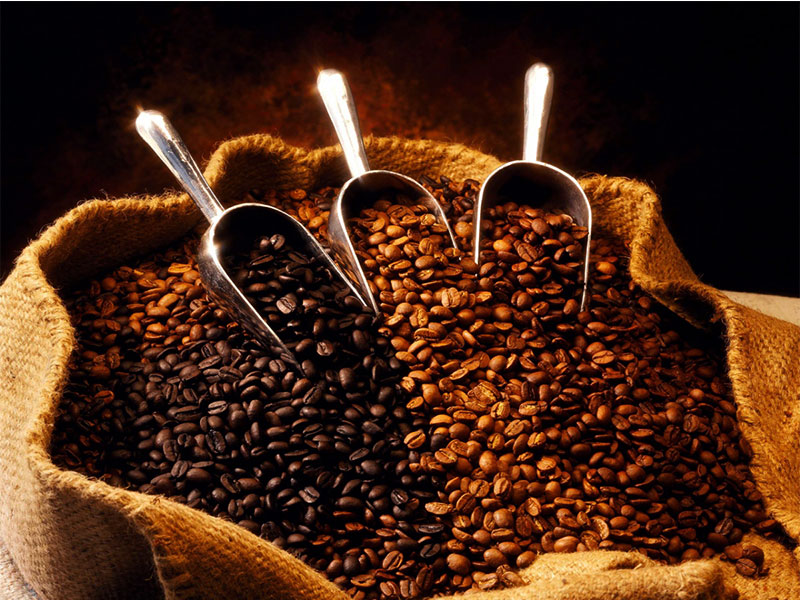
For café operators and brands with high-volume, repeat-customer businesses, consistency is not a secondary concern — it is the product. By blending, a roaster can combine different coffee beans throughout the year to achieve a similar result, substituting origins as harvests change while maintaining a recognizable cup profile season after season.
This is why blends are often the default espresso coffee in coffee shops — they pair well with milk and sugar, and their homogenous flavor appeals to a broader consumer audience.
Creative control and signature identity
A well-crafted house blend is entirely your intellectual property. No competitor can replicate it exactly. One of the rewards of creating a coffee blend is having a coffee that is truly unique to your brand — offering some comforting predictability and familiarity for customers.
For subscription coffee businesses, café chains, and retail brands that depend on customer loyalty built around a recognizable taste, a signature blend is a strategic asset that appreciates over time as customers become attached to it.
Flavor architecture that single origins cannot deliver
Skilled blending allows roasters to engineer cup profiles that are simply impossible from a single origin. You can select chocolate and nutty characteristics of one origin and combine them with lighter tones like fruit, spice, or sweetness from another to produce a beautifully balanced flavor profile — with no real limit on what you can create.
This is particularly relevant for espresso applications. When intense espresso-level pressure passes through the coffee, you need enough flavor to stand against it and taste delicious once finished — something well-constructed blends are specifically designed to deliver.
Cost management without compromising quality
Blends offer a practical lever for managing green coffee costs in volatile commodity markets. By combining a high-scoring, higher-cost origin with a well-chosen, more accessible component, brands can hit a target price point while maintaining genuine cup quality. This is not about cutting corners — it is about smart formulation.
Read more: Best coffee blend ratios & How to create the perfect cup?
Which is right for you: Single origin or Blend?
Rather than choosing sides in an abstract debate, consider these four questions for your specific brand:
1. Who is your primary customer? Specialty-focused buyers, café connoisseurs, and subscription customers who value discovery are more receptive to single origins. Mass retail, hospitality accounts, and customers who drink primarily milk-based drinks are better served by consistent blends.
2. What is your brand’s core story? If your identity is built on origin, terroir, and producer relationships — single origins are the natural product expression of that story. If your identity is built on a specific flavor experience or a proprietary recipe — blends are the vehicle.
3. What is your operational model? Can you manage seasonal SKUs, limited availability, and lot-by-lot quality variation? Single origins require that flexibility. If you need year-round consistency with predictable supply, blends give you more control.
4. What are your margin goals? Single origins support premium pricing but require premium sourcing investment. Blends can deliver strong margins at mid-range price points with better supply reliability.
The answer most successful brands already know: both
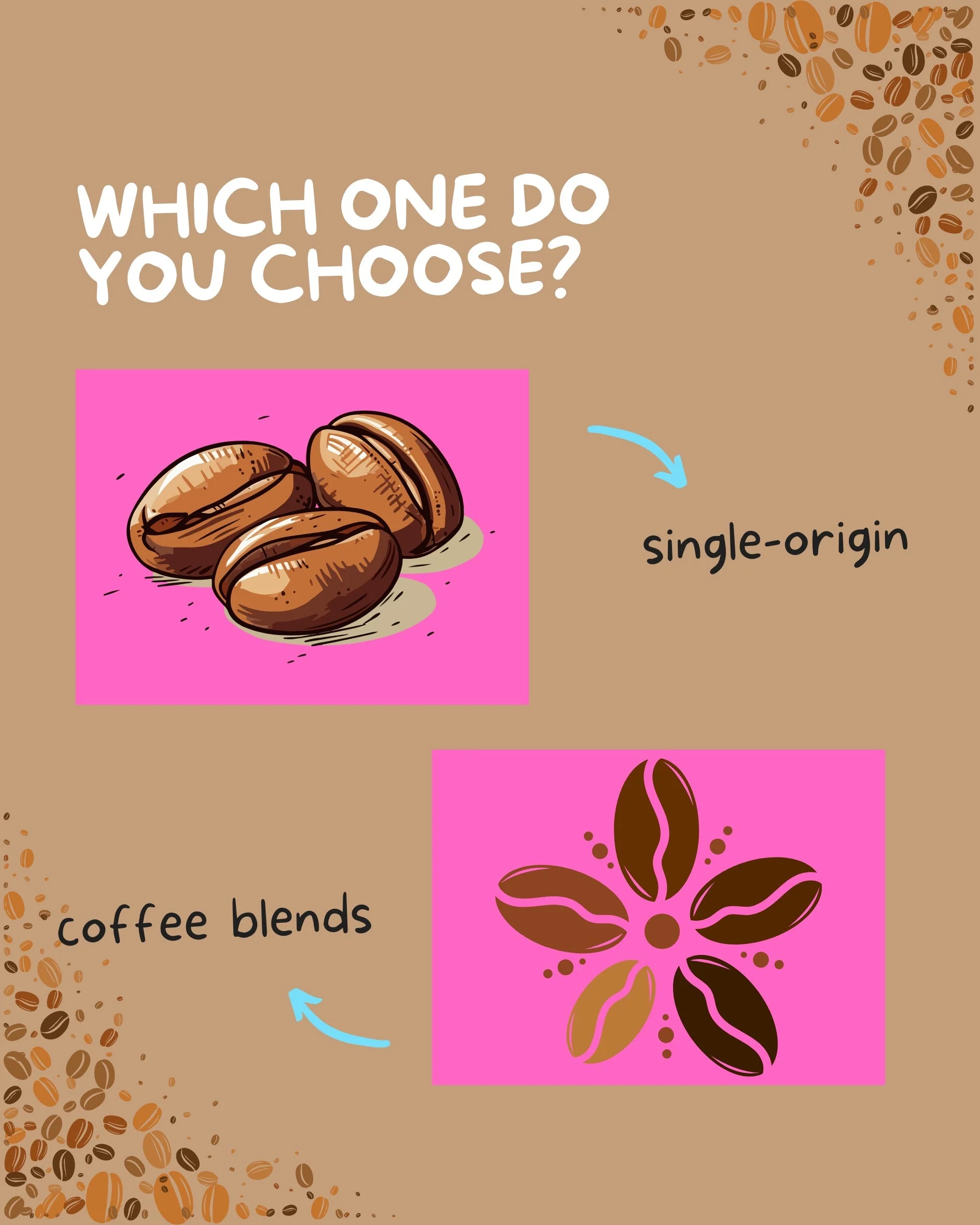
The most commercially successful specialty coffee brands do not choose between single origins and blends — they use each strategically. As Blue Bottle Coffee’s founder noted, some customers are searching for novelty and surprise, while others yearn for routine perfectly suited to their preferences — and there is no reason a brand cannot satisfy both.
A practical portfolio structure that works for most specialty coffee brands:
- One or two signature blends as the core, consistent offer — available year-round, optimized for espresso and milk drinks, priced accessibly
- Rotating single-origin offerings to drive engagement, generate content, attract specialty buyers, and signal quality
- Seasonal microlots as limited-edition, premium-priced products that create urgency and exclusivity
This structure gives you consistency where the business depends on it, and storytelling where the brand depends on it.
Why Vietnamese coffee belongs in both categories
Vietnam is uniquely positioned to supply exceptional coffees for both strategies. For single-origin programs, high-altitude Central Highlands farms — particularly in Dak Lak, Dak Nong, and Lam Dong — produce traceable, specialty-grade Robusta and Da Lat Arabica with documented terroir characteristics, distinctive flavor profiles, and compelling origin narratives that resonate with international specialty buyers.
For blend development, Vietnam’s range of processing methods — washed, honey, and natural — across both Arabica and Robusta provides an unusually wide palette of flavor components. A washed Vietnamese Robusta brings body and crema. A natural Da Lat Arabica brings sweetness and fruit complexity. These are the building blocks of a signature blend with genuine differentiation.
Build your coffee brand’s product strategy with Hello 5 Coffee
At Hello 5 Coffee, we work with roasters and importers across international markets to source both single-origin microlots and consistent green coffee supply for blend development — all from carefully selected farms in Vietnam’s premium coffee-growing regions.
Whether you are developing a signature house blend, building a single-origin program around Vietnamese terroir, or simply looking for a reliable, quality-focused export partner to grow with — we are here to help you make the right sourcing decisions for your brand.
📩 Contact us to request green sample lots, discuss volume requirements, or explore what Vietnamese coffee can bring to your product range.
