Coffee flavor doesn’t last forever. Whether you’re working with whole beans, ground coffee, or instant, each type has its own peak and will gradually lose quality without proper storage.
This guide covers the shelf life of each common coffee type and the simple but effective storage methods that keep your coffee tasting its best from the first brew to the last.
Why does proper coffee storage matter?
Coffee contains volatile aromatic compounds that break down when exposed to air, light, and moisture over time. As these compounds degrade, the natural fragrance fades and is replaced by stale, sour, or harsh off-flavors.
Beyond flavor, improper storage can also allow mold to develop — which poses a direct health risk. So understanding how to store coffee properly isn’t just about taste. It’s also about keeping it safe to drink.
Shelf life of common coffee types
Whole bean coffee
Whole bean coffee has the longest shelf life of any coffee form, thanks to the outer husk acting as a natural protective layer that limits air exposure. When stored correctly, whole beans can hold their flavor well for around 6 to 12 months after roasting.
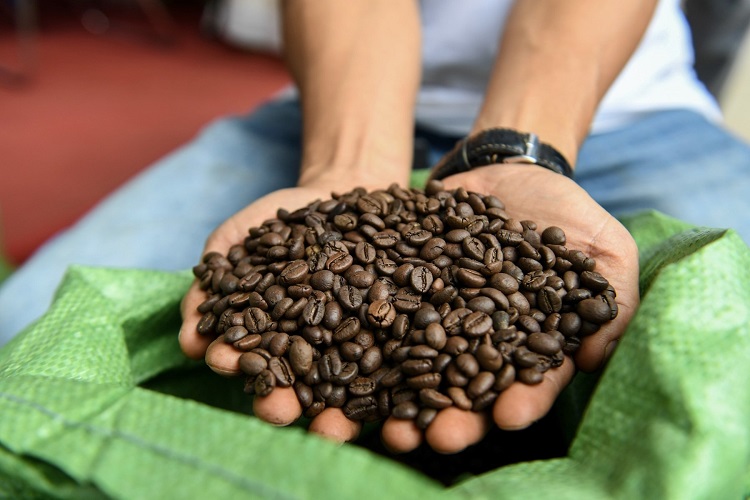
That said, for the freshest and most vibrant flavor, aim to use them within 3 to 6 months of the roast date. This is the window when the aromatic compounds are most intact and at their fullest.
Ground coffee
Once beans are ground, the surface area exposed to air increases dramatically, causing oxidation to happen far more quickly than with whole beans. As a result, ground coffee has a noticeably shorter shelf life — typically 3 to 6 months.
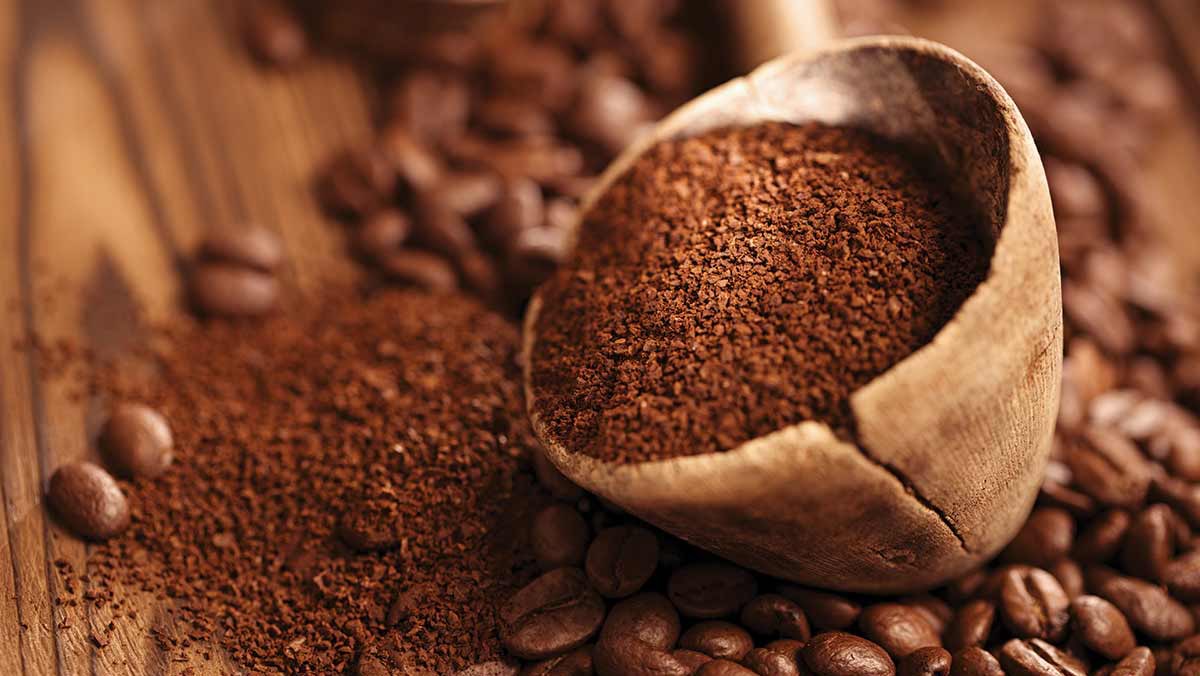
For the best flavor, use ground coffee within 1 to 2 months of grinding. This is why many coffee enthusiasts prefer buying whole beans and grinding only what they need for each brew.
Instant coffee
Instant coffee has the longest shelf life of all, usually lasting 1 to 2 years, thanks to industrial processing and packaging that removes most moisture and limits oxidation. It’s a practical choice for anyone stocking up or traveling.
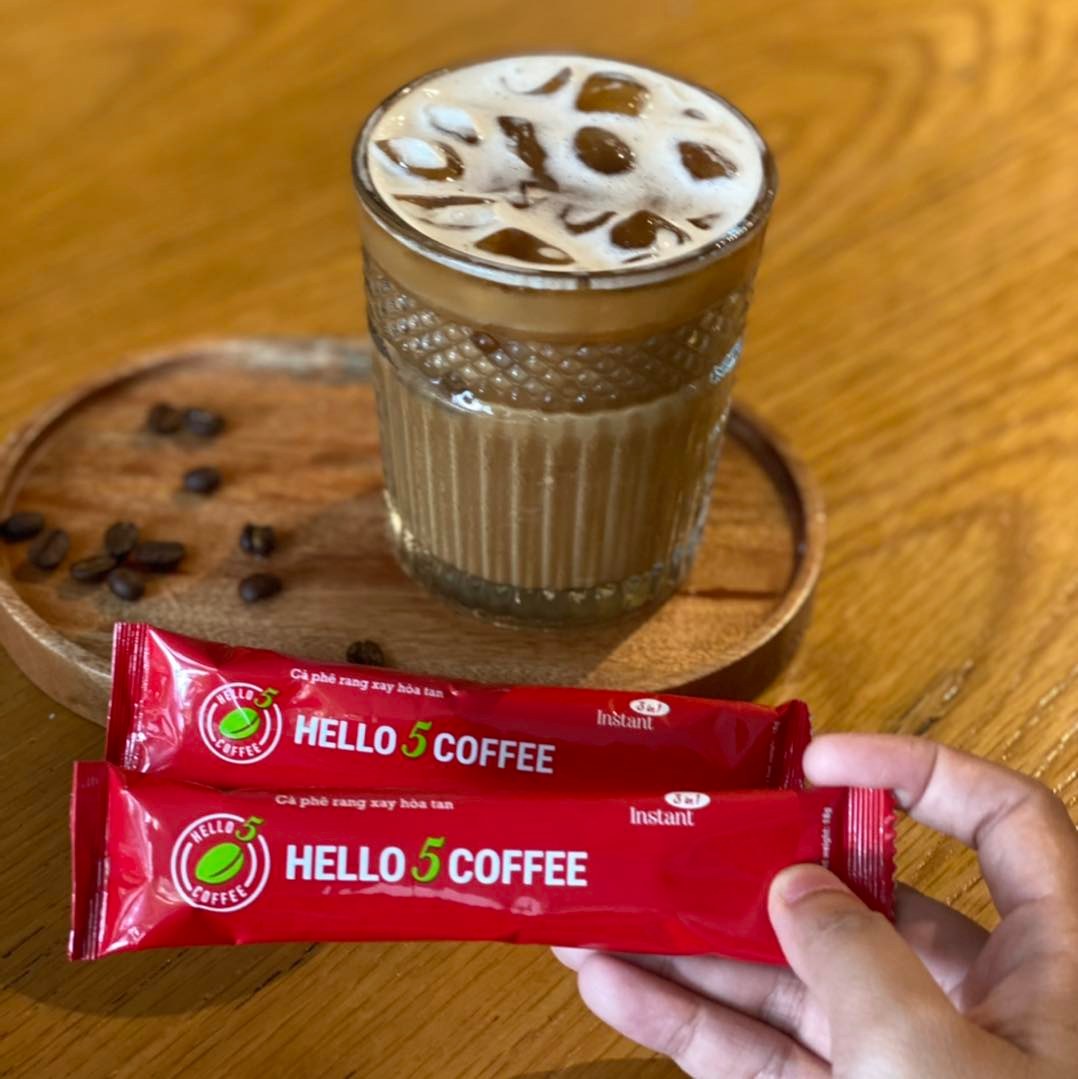
Even so, instant coffee still tastes best when consumed closer to the production date. Always check the expiry on the packaging and try to finish an opened pack sooner rather than later.
Drip coffee and espresso
Drip coffee and espresso are meant to be enjoyed immediately after brewing — flavor drops off noticeably if left to sit. If you do need to store leftover brewed coffee, keep it in an airtight container in a cool place, where it will hold for about 1 to 2 weeks.
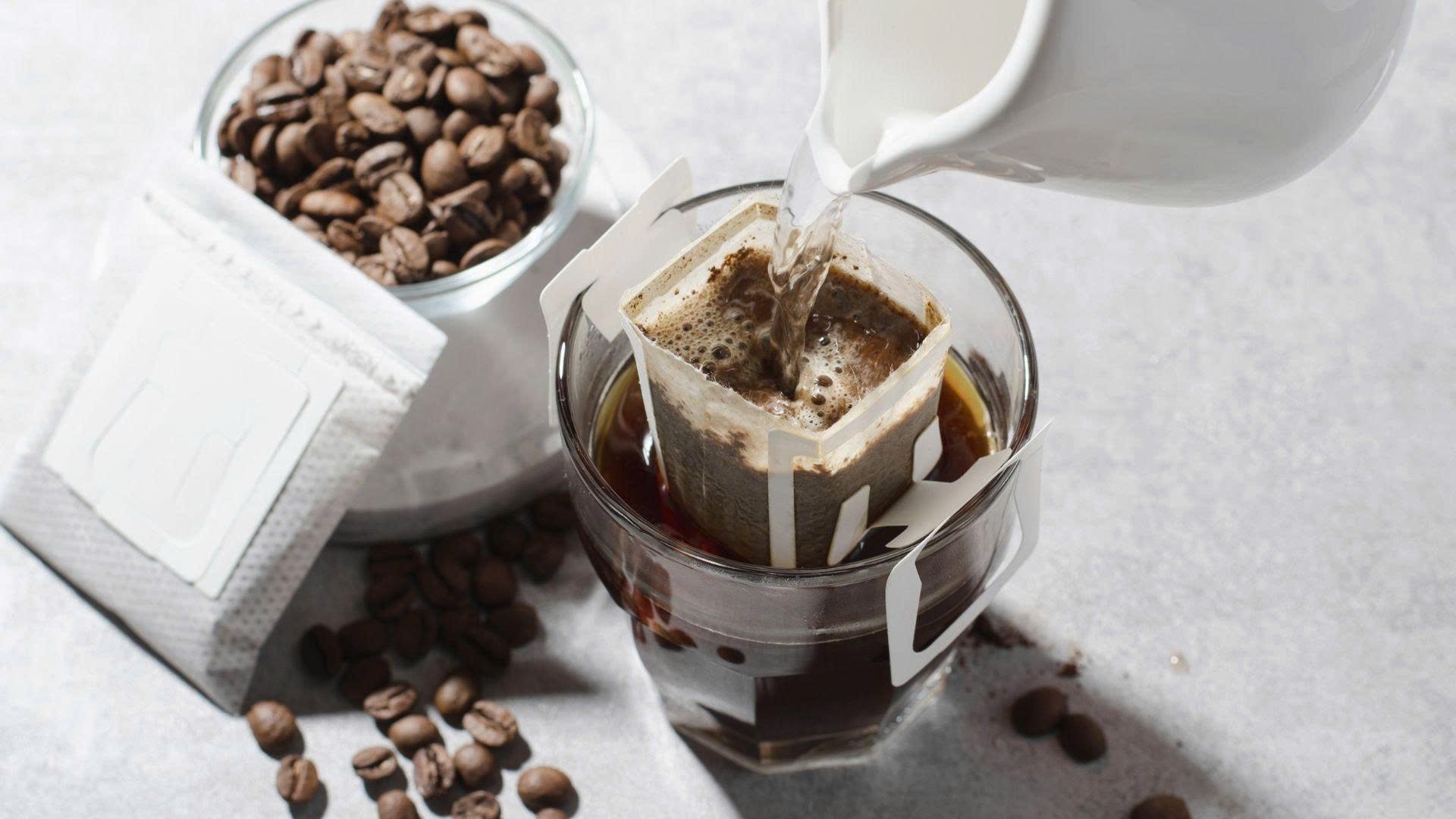
The best approach is simply to brew what you’ll drink. It’s the only reliable way to preserve the full aroma and bold character these brewing methods are known for.
Cold brew
Cold brew is steeped over many hours, producing a smooth, low-acidity flavor profile unlike traditional brewing methods. Because it’s already brewed, cold brew needs to be kept refrigerated and consumed within 1 week to stay at its best.
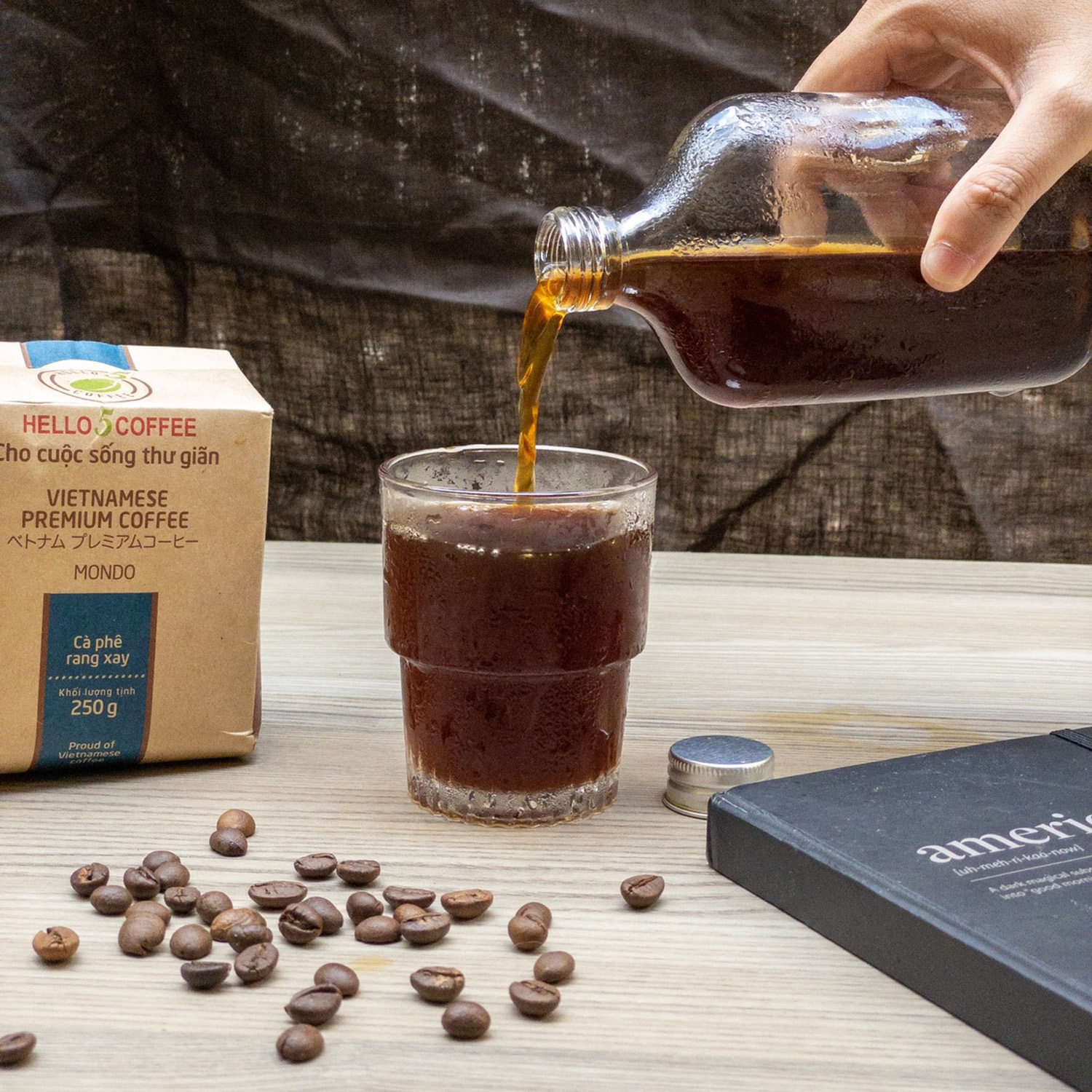
If you’ve made a large batch and can’t finish it in time, freeze it in an airtight container to extend its life. Once thawed, don’t refreeze — use it all in one go.
How to store coffee to preserve flavor
Keep it somewhere dry, away from heat and moisture
Heat and humidity are coffee’s two biggest enemies. They accelerate oxidation and encourage mold growth, quietly destroying flavor from the inside. Store your coffee in an airtight container in a cool, dry place — away from stovetops, microwaves, and windows with direct sunlight.
After each use, seal the container immediately rather than leaving it open between servings. It’s a small habit that makes a real difference in how long your coffee stays fresh.
Use an opaque glass jar or dedicated coffee canister
Clear glass jars look nice but let light in, speeding up oxidation and causing coffee to lose its aroma faster. Opt instead for an opaque glass jar or a purpose-built coffee canister with good airtight sealing and light-blocking properties.
This is the ideal everyday storage solution for whole bean or ground coffee at home, keeping flavor stable from the first scoop to the last.
Use bags with a one-way valve
One-way valve technology lets CO₂ escape from inside the bag without letting outside air in, minimizing oxidation at the source. It’s why most specialty coffee brands package their products this way.
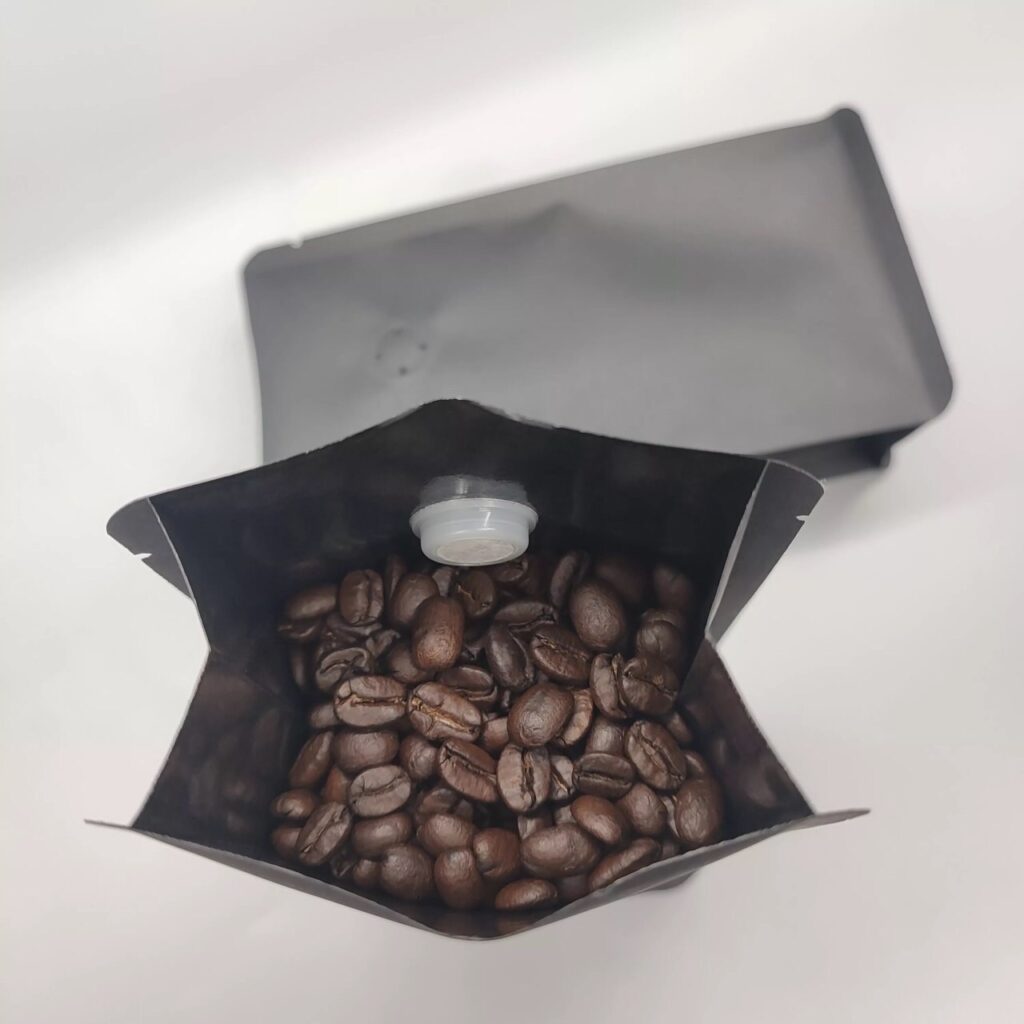
If you’re buying in bulk, divide your coffee into small portions — enough for 1 to 2 weeks — seal each in a one-way valve bag, wrap with foil, and store in the freezer. This method can extend shelf life to around one month without meaningfully affecting flavor.
Read more: Coffee Packaging Trends 2026: What International Buyers Need to Know
Grind just before brewing
Whole beans are far more resilient than pre-ground coffee because the intact structure protects the aromatic compounds inside. Instead of buying pre-ground, buy whole beans and grind only what you need each time — it’s the simplest way to guarantee a fresher cup every single time.
When buying roasted beans, look for coffee roasted within the past 5 days to 2 weeks. Beans in this window have completed their degassing phase and are at their flavor peak — ready to brew at their best.
Good storage doesn’t take much effort, but it makes a noticeable difference in every cup. Know your coffee’s shelf life, store it the right way, and it will taste the way it’s supposed to — every time.
