
Coffee export standards are essential for businesses looking to bring their products to international markets. So what exactly are coffee export standards? And what requirements must Vietnamese exporters meet when selling to specific countries? Hello 5 Coffee breaks it all down below.
What are coffee export standards?
Coffee is one of Vietnam’s key export products, making market expansion a top priority for many businesses. However, bringing Vietnamese coffee to the global market requires exporters to research and correctly apply the standards set by each importing country. So what are export standards?
Coffee export standards are the regulations, technical requirements, and specifications established to ensure that exported coffee meets each specific market’s requirements — covering product quality, food safety, origin, traceability, and environmental compliance.
These standards are typically defined by organizations, industry associations, and government agencies, and they vary depending on the country and specific market. As a result, exporters must strictly comply with the applicable standards to ensure their products meet international market requirements.
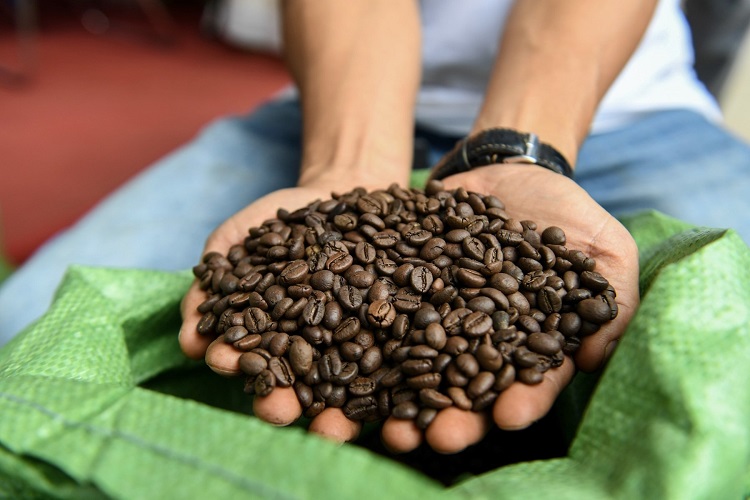
Vietnam’s green coffee export standards
What criteria apply to export green coffee? What is the basis for grading Vietnamese export coffee? Here’s a detailed breakdown.
The basis for coffee quality grading
Export green coffee (unroasted) is classified under TCVN 4193:2005, issued by the Technical Standards Committee TCVN/TC/F16 “Coffee and Coffee Products.” Under this regulation, green coffee samples are analyzed to identify defective and faulty beans, then graded into: Special Grade, Grade 1, 2, 3, 4, and 5.
Export standards for Robusta and Arabica green coffee
Vietnam produces several coffee varieties, but the two main export types are Robusta (Coffea canephora) and Arabica (Coffea arabica). The export standards below focus on these two varieties:
- Both types are graded into: Special Grade, Grade 1, Grade 2, Grade 3, Grade 4, and Grade 5
- Color: Must reflect the natural color of the raw green coffee variety
- Odor: Natural green coffee smell — no foreign or off-odors
- Moisture: Maximum 13% at the time of handover within Vietnamese territory (per TCVN 6536:1999 / ISO 1447)
- Admixture ratio (Arabica): Special Grade and Grade 1 must contain no Robusta or Chari beans. Grade 2 allows limited admixture — Robusta ≤ 1%, Chari ≤ 0.5%. Higher grades allow progressively higher admixture rates
- Admixture ratio (Robusta): Special Grade and Grade 1 allow Arabica admixture ≤ 3%; Grade 2 ≤ 3%; Grade 4 ≤ 5%
- Defect scoring: Each defect type carries a point value — for example: fermented bean = 1.0, moldy bean = 1.0, immature/green bean = 0.2, half-black bean = 0.5, and so on.
Allowable defects and screen retention: The maximum number of defects permitted per 300g sample is defined by grade, as shown in the table below:
| Grade | Max defects per 300g (Arabica) | Max defects per 300g (Robusta) | Screen size (Arabica / Robusta) | Min. retention (%) |
|---|---|---|---|---|
| Special | 15 | 30 | No.18/No.16 | 90/10 |
| Grade 1 | 30 | 60 | No.16/No.14 / No.16/No.13 | 90/10 |
| Grade 2 | 60 | 90 | No.12½/No.12 | 90/10 |
| Grade 3 | 120 | 150 | No.12/No.10 | 90/10 |
| Grade 4 | 150 | 250 | — | Not specified |
| Grade 5 | Not specified | Not specified | — | Not specified |
For Robusta, the most common processing methods are Wet Polish, Clean, and Standard. For Arabica, the wet processing method is standard. Each method also carries its own specific requirements that producers and exporters must meet.
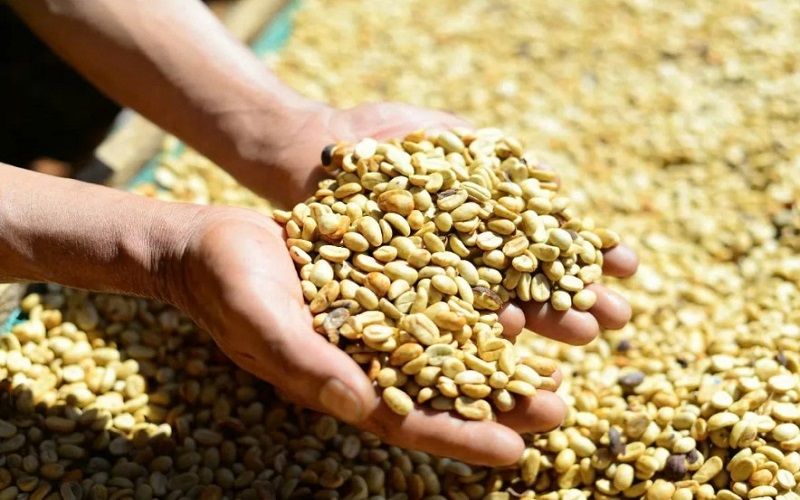
Here are the standard specifications most commonly found in coffee export contracts:
- Moisture: 12.5% max
- Black & broken beans: 2% max
- Foreign matter: 0.5% max
- Other coffee admixture: 0.5% max
- Screen retention: Min. 90% on Screen No. 18 (7.1mm)
- Packaging: 60kg per bag, full bags
- Container load: 19.2 metric tons per container
Shipments must also meet the importing country’s requirements for packaging, labeling, and transportation.
Vietnam coffee export standards for China
Vietnam exports coffee to many countries and territories worldwide, and China is one of the most important target markets that exporters are actively developing. What standards must be met to export coffee to China? Here’s a detailed breakdown.
Meeting coffee quality standards
Vietnam primarily exports Robusta, so the information below focuses on this variety. Here are the specific quality standards:
| Grade 1, Screen 18 | Grade 2, Screen 16 | Grade E, Screen 13 | Grade E, Screen 16 | |
|---|---|---|---|---|
| Processing | Dry/Unwashed | Dry/Unwashed | Dry/Unwashed | Dry/Unwashed |
| Moisture | ≤ 12.5% (color-sorted) | ≤ 13% | ≤ 13% | ≤ 13% |
| Black & broken beans | ≤ 2% | No limit | No limit | No limit |
| Foreign matter | ≤ 0.5% | No limit | No limit | No limit |
| Other admixture | ≤ 0.5% | No limit | No limit | No limit |
| Screen retention | Min. 90% on Screen 18 (7.1mm) | Min. 90% on Screen 13 (5.0mm) | Min. 90% on Screen 13 (5.0mm) | Min. 90% on Screen 16 (6.3mm) |
Meeting legal and regulatory requirements
Exporters must comply with China’s legal requirements and certification standards, including:
- A phytosanitary certificate issued by Vietnam’s Plant Protection Department and a food safety certificate issued by Vietnam’s Food Safety Authority are required. Exporters must also register an export code under GACC Order 248
- Coffee exported to China must comply with regulations on heavy metals, microorganisms, mold, fungi, pesticide residues, antibiotics, and preservatives. All goods must be inspected by China’s General Administration of Customs (GACC) prior to export
- Packaging and labeling must comply with China’s regulations on bag dimensions, colors, shapes, language, content, and label placement.
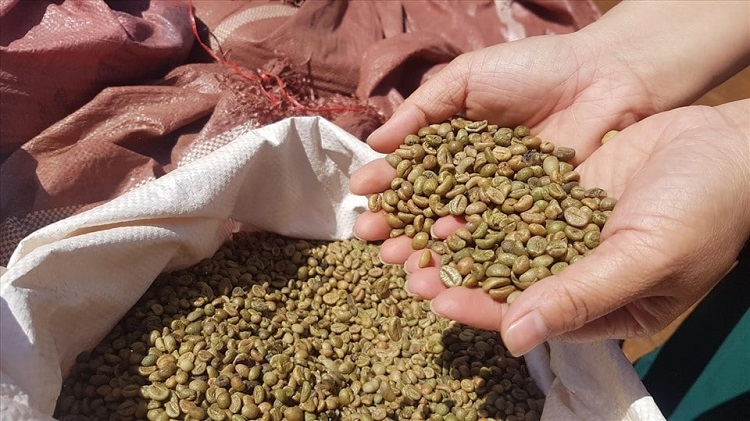
Read more: Where to buy Vietnamese coffee: Best places, beans, and tips
Export standards for other key markets
Beyond China, exporters can also target major markets such as the EU, Japan, and the United States. Here are the key requirements for each.
Coffee export standards for the EU
Businesses looking to export coffee to EU countries must pay particular attention to food safety. The entire cultivation and production process must comply with food safety management systems including ISO 9001, ISO 22000, and HACCP. Farms must also hold GlobalG.A.P. certification to verify safe agricultural practices and full product traceability.
EU buyers evaluate coffee on a scoring scale of 50 to 100 points — the higher the score, the better the quality. This score is based on: variety diversity, processing method, bean size, number of defects, roast profile, and cup quality.
Additional requirements include packaging and labeling standards, certificate of origin, and relevant trade certifications. Product labels for international trade must be written in English and include full product information: certifying organization code, country of origin, net weight, and other required details.
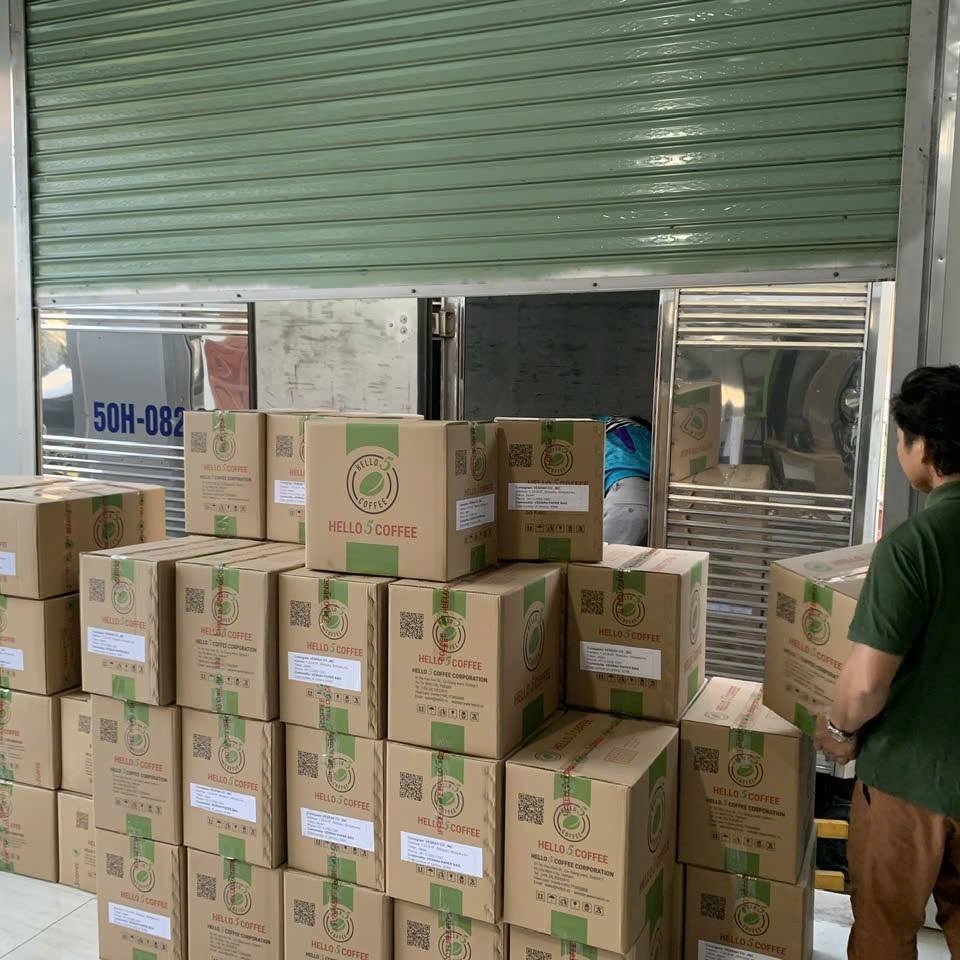
Read more: Top 10 Vietnamese Coffee Suppliers for International Buyers in 2026
Coffee export standards for the US
The US is one of the world’s largest coffee-consuming markets, but it also enforces some of the strictest standards around food safety, phytosanitary regulations, and environmental practices. Key requirements include:
- A phytosanitary certificate is required for all shipments. Vietnamese exporters must register their production facility with the US authorities — registration must be renewed every 3 years
- Mandatory certifications include: FDA compliance, GMP, HACCP, and GlobalG.A.P.
- Beyond technical specs (defect rates, bean size), coffee exported to the US must be free from off-flavors and excessive bitterness, and must comply with EPA and FDA chemical residue limits
- Packaging and labeling must include all required information: origin, ingredients, processing details, and expiry date
- Coffee must be grown and produced using sustainable practices that meet environmental standards
Coffee export standards for Japan
Japan is Vietnam’s third-largest coffee export destination, after Germany and the US. Key requirements include:
- Pesticide residue levels must comply with Japan’s strict MRL (Maximum Residue Limit) standards. Growing regions should follow GlobalG.A.P. or Organic certification
- Full disclosure of ingredients, production and processing methods, and all additives — none of which may exceed permitted limits
- Labeling must comply with Japan’s Food Sanitation Act.
Read more: Top 5 Best Vietnamese Coffee Brands Loved Worldwide
Benefits of meeting coffee export standards
Complying with coffee export standards brings significant advantages for any exporting business:
- Seamless export clearance: Coffee that meets export standards clears customs without risk of rejection or return shipments
- Higher product quality: Meeting international standards raises the overall quality of the product, helping Vietnamese coffee penetrate demanding markets and opening up business opportunities worldwide
- Standardized production processes: Complying with international regulations requires producers to formalize and streamline their operations — applying agricultural certifications and quality controls across harvesting, processing, roasting, packaging, and labeling to ensure a modern, efficient, and high-output supply chain
- Increased product value: High-quality products command higher prices, generating greater economic returns for producers while building a credible reputation with international partners
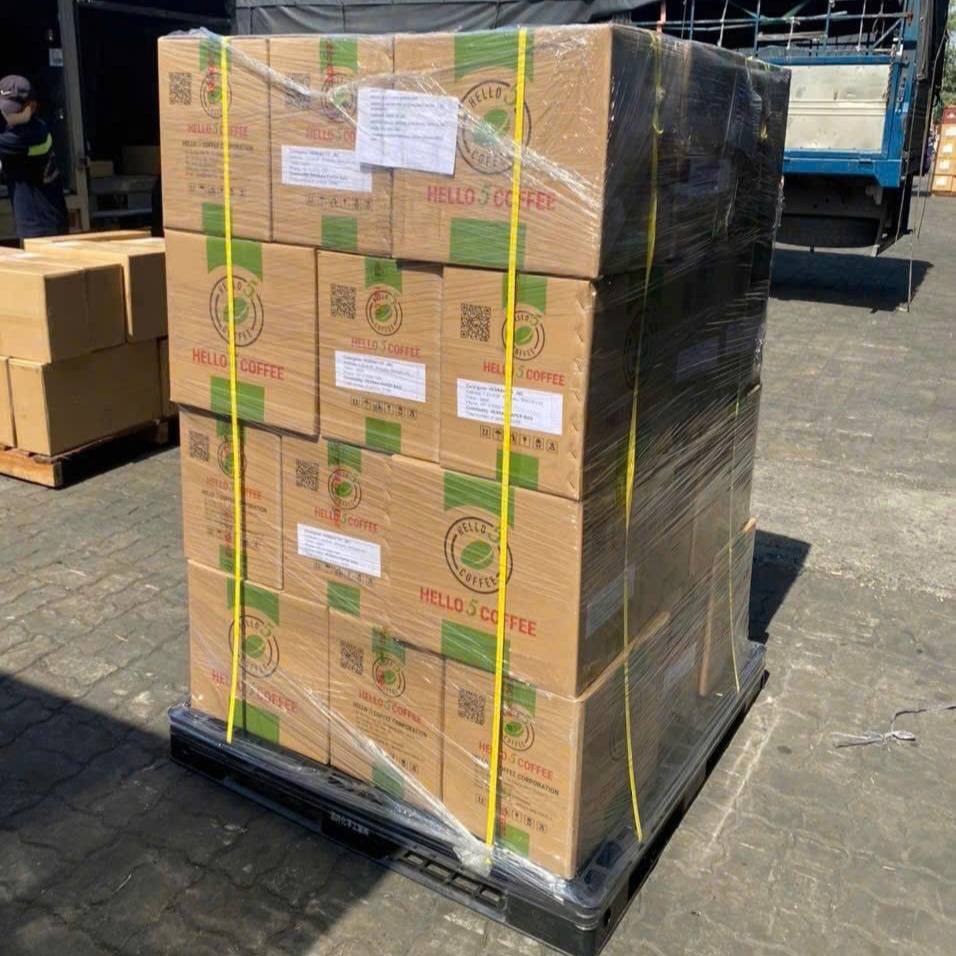
Have questions about sourcing Vietnamese coffee that meets your market’s requirements? Get in touch with Hello 5 Coffee — we handle the standards so you don’t have to.
