
The influence of altitude and temperature on coffee bean quality is immense. Coffee cultivated at higher elevations above sea level generally produces a richer and more complex flavor profile. However, if you’ve ever thought that simply growing coffee at higher temperatures would improve bean quality, you might be partially right—but that’s not the whole story.
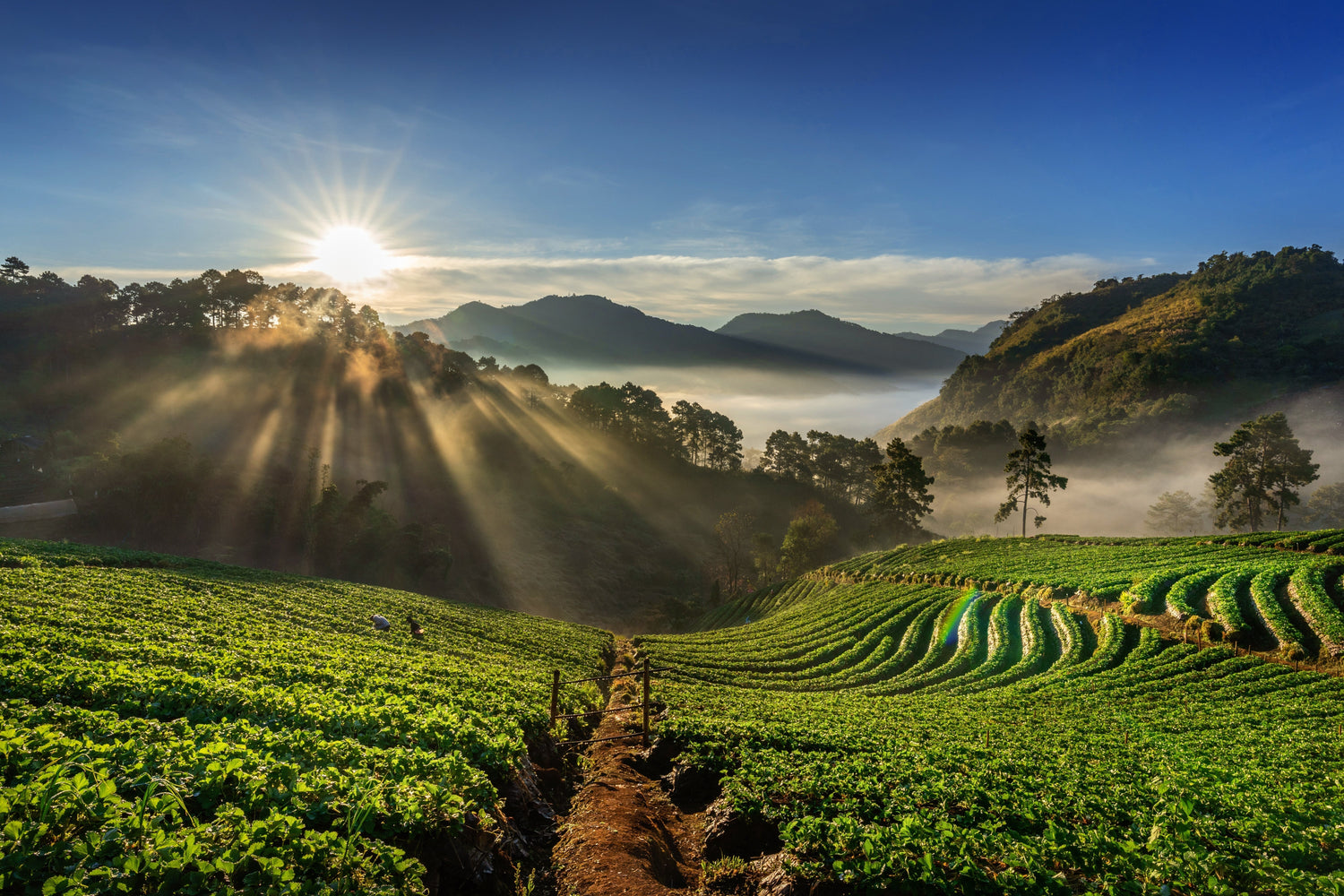
Let’s explore in detail how altitude and temperature impact the coffee growing process at Hello 5 Coffee!
1. What Does Cultivation Altitude Tell Us?
Today, many coffee packages include information about the altitude at which the coffee was grown. This is often labeled as Meters Above Sea Level (MASL). Put simply, coffee grown at higher altitudes typically results in superior quality.
According to the Coffee Quality Institute (CQI), in sub-tropical climates, the most suitable altitude for growing coffee is between 550 and 1,100 MASL. Near the equator, the optimal range is usually between 1,000 and 2,000 MASL. However, it is crucial to ensure the coffee plants do not suffer from frost, regardless of the region.
In the industry, coffee beans are often classified based on their growing altitude:
- Soft Bean (SB) and Strictly Soft Bean (SSB): Grown below 1,200 meters.
- Hard Bean (HB) and High Grown (HG): Grown between 1,200 and 1,370 meters.
- Strictly Hard Bean (SHB) and Strictly High Grown (SHG): Grown above 1,370 meters.
An important note when studying altitude is that it should not be separated from latitude. As you move further from the equator, temperatures at a specific altitude will drop. For example, 1,000 MASL in Hawaii has a much cooler climate than 1,000 MASL in Colombia (which is closer to the equator). Growing coffee in Hawaii at that altitude can result in higher acidity and more complex flavors that might be harder to find in Colombia at the same elevation.
Read more: What is Specialty Coffee? Everything You Need to Know
2. How Do Altitude and Temperature Interact?
As we’ve seen, it’s not just “altitude” but “altitude at the right latitude” that affects coffee quality. Generally, for every 100-meter increase in altitude, the environmental temperature drops by about 0.6°C. Therefore, while altitude is linked to flavor, it is the temperature that truly dictates the quality.
Cooler temperatures and lower oxygen levels at high altitudes cause coffee beans to grow more slowly. In this state, most of the plant’s energy is directed toward bean development (rather than leaf or branch growth), resulting in harder and denser beans. These cherries also need more time to mature and store nutrients, primarily in the form of sugars (carbohydrates).
Coffee grown in high mountain areas at Hello 5 Coffee is often cultivated using organic methods under forest canopies. The soil is richer, and many common coffee pests cannot survive at such high elevations. These factors combine to create coffee varieties with exceptional flavor profiles.
The optimal temperature for coffee leaf rust is between 21°C and 25°C, and the fungus cannot survive below 15°C. Ideal temperatures for growing Arabica range from 15°C to 24°C, while Robusta prefers 22°C to 28°C. This shows that in cooler temperatures, leaf rust is much less of a threat. Similarly, the coffee berry borer thrives best in warm temperatures between 20°C and 30°C.
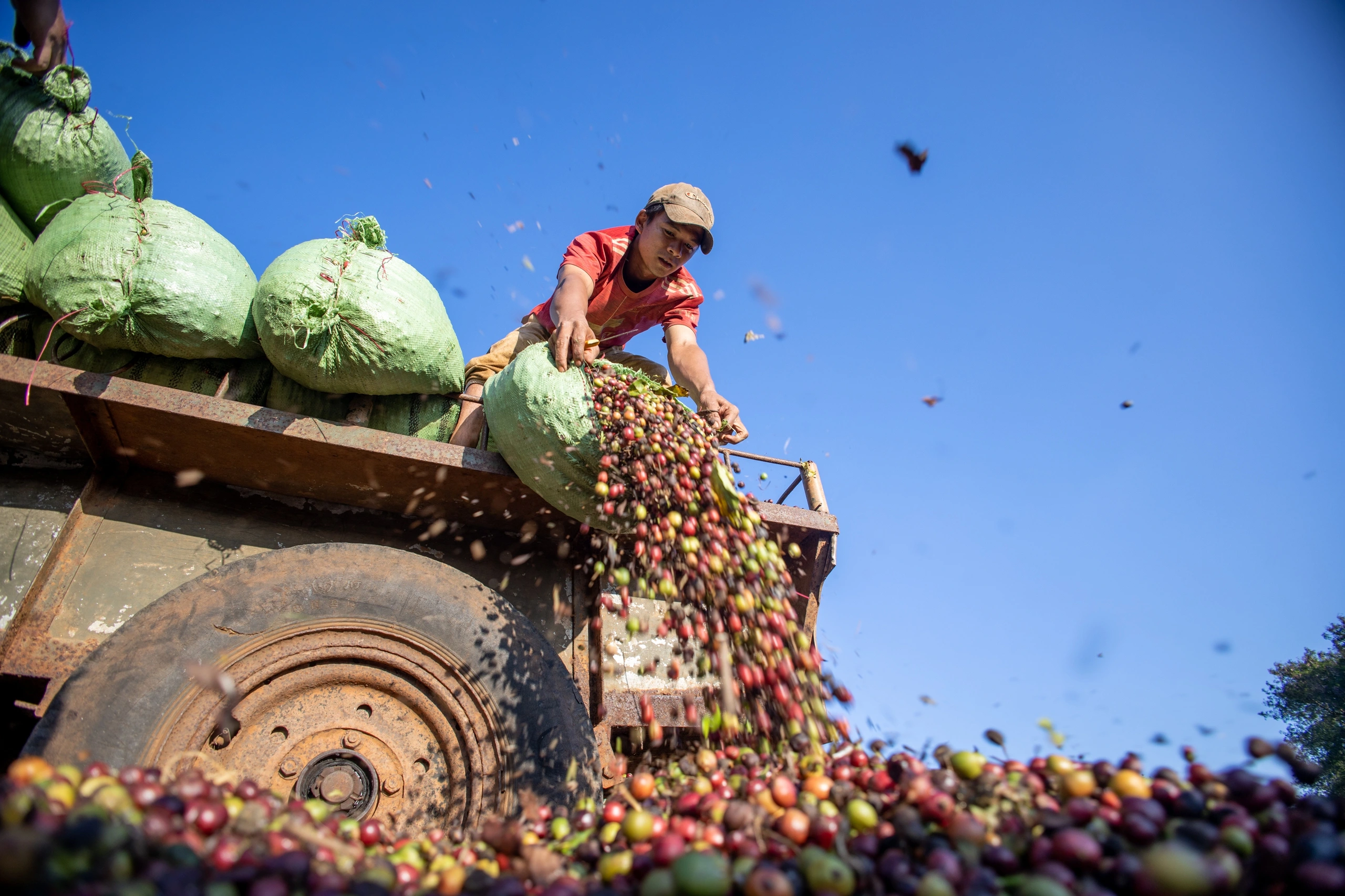
3. Different Altitudes – Different Qualities for Arabica and Robusta
Arabica and Robusta have different altitude requirements, which leads to distinct quality characteristics:
| Feature | Arabica | Robusta |
|---|---|---|
| Climate Preference | Prefers cooler climates | Prefers warmer climates |
| Disease Resistance | Lower resistance | Higher resistance |
| Yield | Lower yield | Higher yield |
| Sugar Content | Higher sugar content | Lower sugar content |
| Temperature | Prefers lower temperatures | Prefers higher temperatures |
| Bean Size | Larger beans | Smaller beans |
| Antioxidants | Higher antioxidant levels | Lower antioxidant levels |
| Rainfall | Moderate requirements | Requires higher rainfall |
| Caffeine | Lower caffeine | Higher caffeine |
4. Conclusion
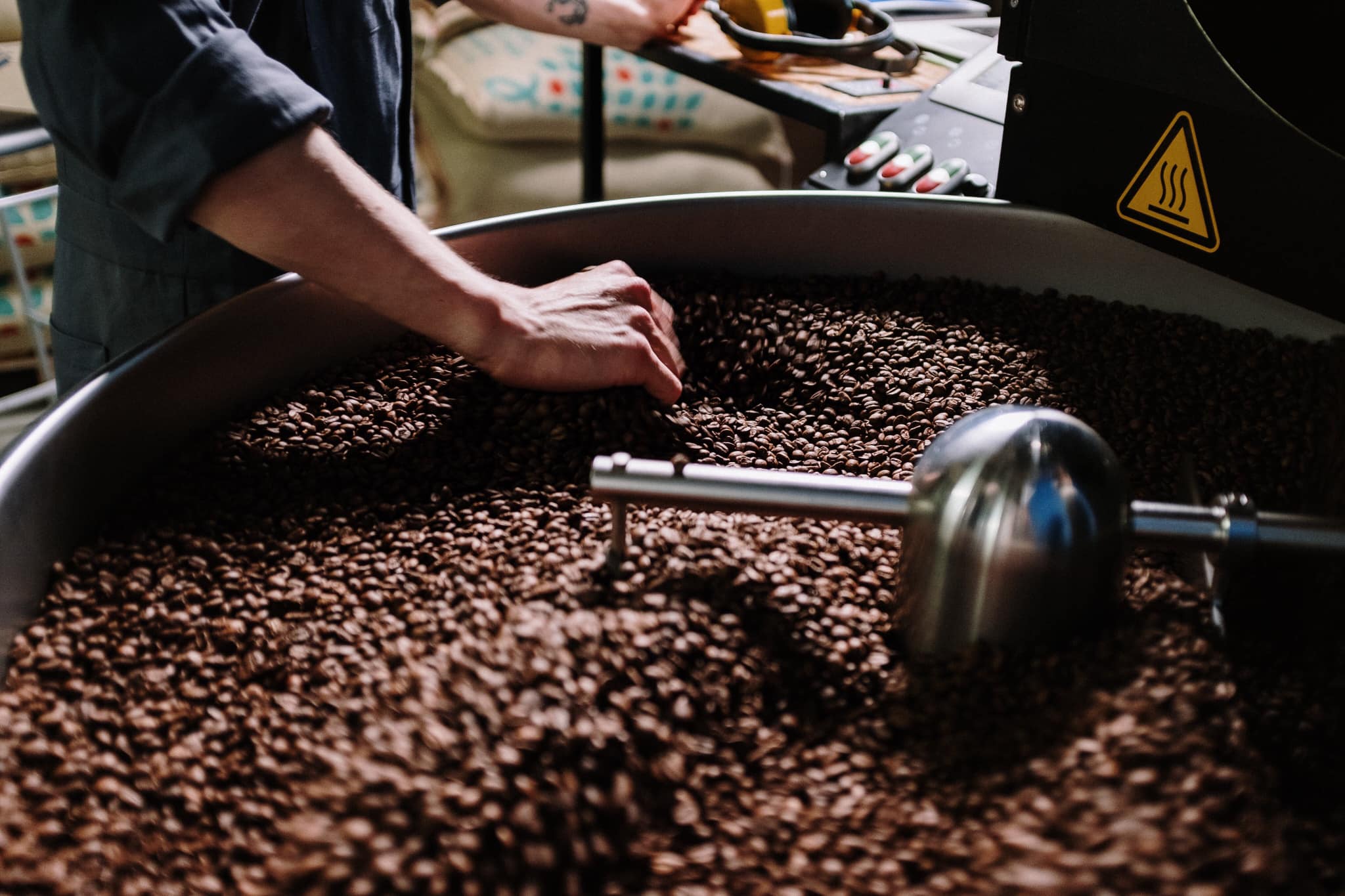
The flavor quality of a coffee bean is incredibly complex. It is influenced by many factors, but as we’ve seen, temperature and altitude play a vital role in the growing process. Whether coffee grows slowly or quickly significantly impacts the flavor of the final cup. For growers and connoisseurs alike, understanding these elements is essential to appreciating the art of coffee.
At Hello 5 Coffee, we carefully select our growing regions to ensure every bean reaches its full potential, bringing you the finest Vietnamese coffee experience.
