
At Hello 5 Coffee, we believe in honoring the natural character of Vietnamese coffee through traditional roasting methods. Natural roasting—without additives or processing aids—is for those who want to experience the pure essence and completely natural aroma of coffee. This is the method preferred by Western coffee culture in drinks like Espresso and Cappuccino, and it’s the foundation of our commitment to authenticity.
Before we begin roasting, careful selection of raw materials is essential. The purpose of this selection process is to remove coffee beans that don’t meet quality standards, ensuring every cup is perfect. Defective beans that can negatively affect coffee quality include: moldy beans, insect-damaged beans, white or black beans, dried berries, elephant ear beans, and any foreign materials like dirt or stones.
Understanding the Three Stages of Coffee Roasting
The natural coffee roasting process consists of three distinct stages: the drying stage, the Maillard reaction stage, and the development and finishing stage. Each phase requires precise temperature control and careful attention to achieve the desired flavor profile.
Stage I: Drying Phase (Room Temperature to 160°C/320°F)
The foundation of excellent roasting begins with proper preparation. The input material must meet exact standards—correct moisture content ensures the heating steps follow the proper sequence.
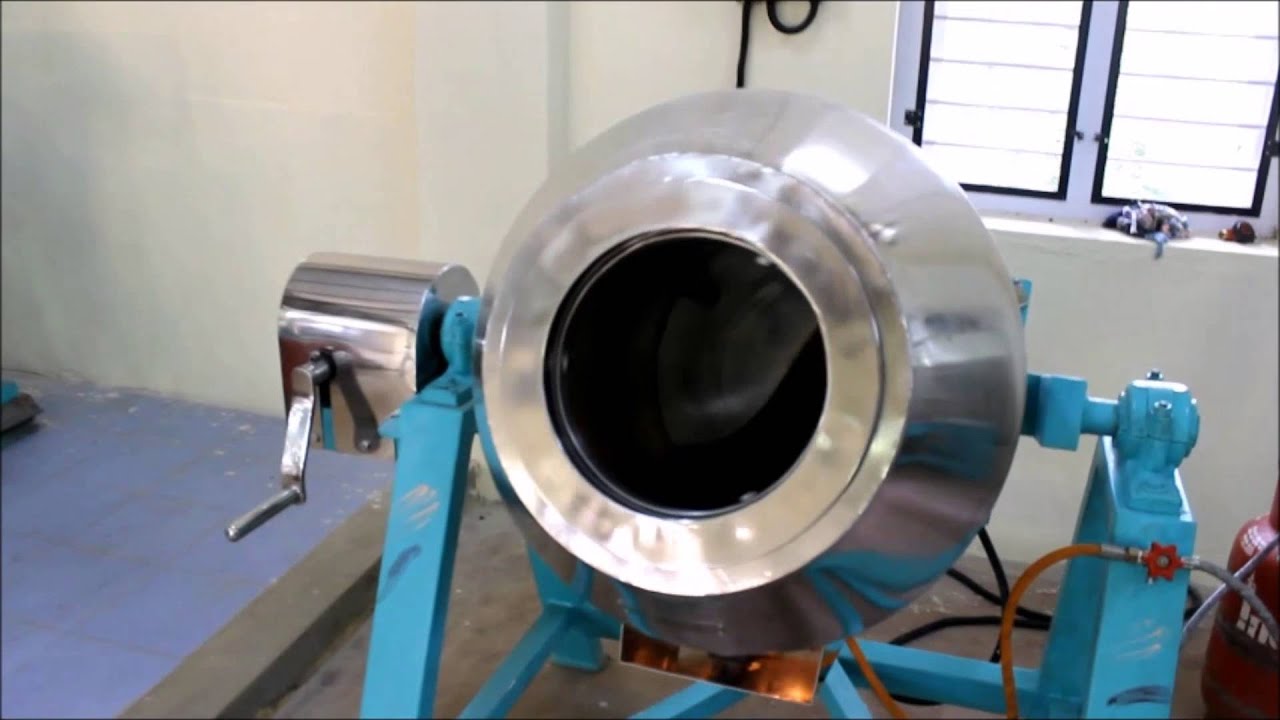
We preheat the roasting drum before adding beans. After heating the drum to 170-220°C (338-428°F), we load the raw coffee. The drum temperature drops quickly upon loading, then rises to approximately 155-160°C (311-320°F). During this phase, moisture evaporates from the beans, and they transform from green to yellow. The temperature increase can proceed at 10-15°C (18-27°F) per minute.
Stage II: The Reaction Phase (Two Critical Sub-Stages)
Sub-stage 1: Decomposition and Precursor Formation (160-185°C / 320-365°F)
After moisture has completely evaporated, the coffee beans enter a transformation phase where decomposition creates intermediate compounds and precursors for the Maillard reaction. Temperature increases at approximately 5-10°C (9-18°F) per minute. During this stage, beans emit grassy, straw-like, and woody aromas. The bean color transitions from light yellow to progressively darker shades, and the outer chaff begins to shed. Strong ventilation is necessary to remove this chaff effectively.
Sub-stage 2: The Maillard Reaction (185-200°C / 365-392°F)
This stage is crucial for developing coffee’s characteristic aroma. The Maillard reaction combines sugars with amino acids in the coffee beans, producing melanoidins—compounds responsible for the brown-black color. Temperature increases at 3-5°C (5-9°F) per minute.
Key observations: The signature coffee aroma begins to emerge as sugars and amino acids combine in the Maillard reaction. Beans gradually turn brown as caramelization begins. Smoke starts to rise from the roaster.
Stage III: Development and Finishing (200-240°C / 392-464°F)
Depending on desired flavor profile and brewing method, the roast master determines the optimal stopping point to achieve the intended product characteristics. At this stage, the roaster must carefully observe and smell the aroma being released to decide the finishing point.
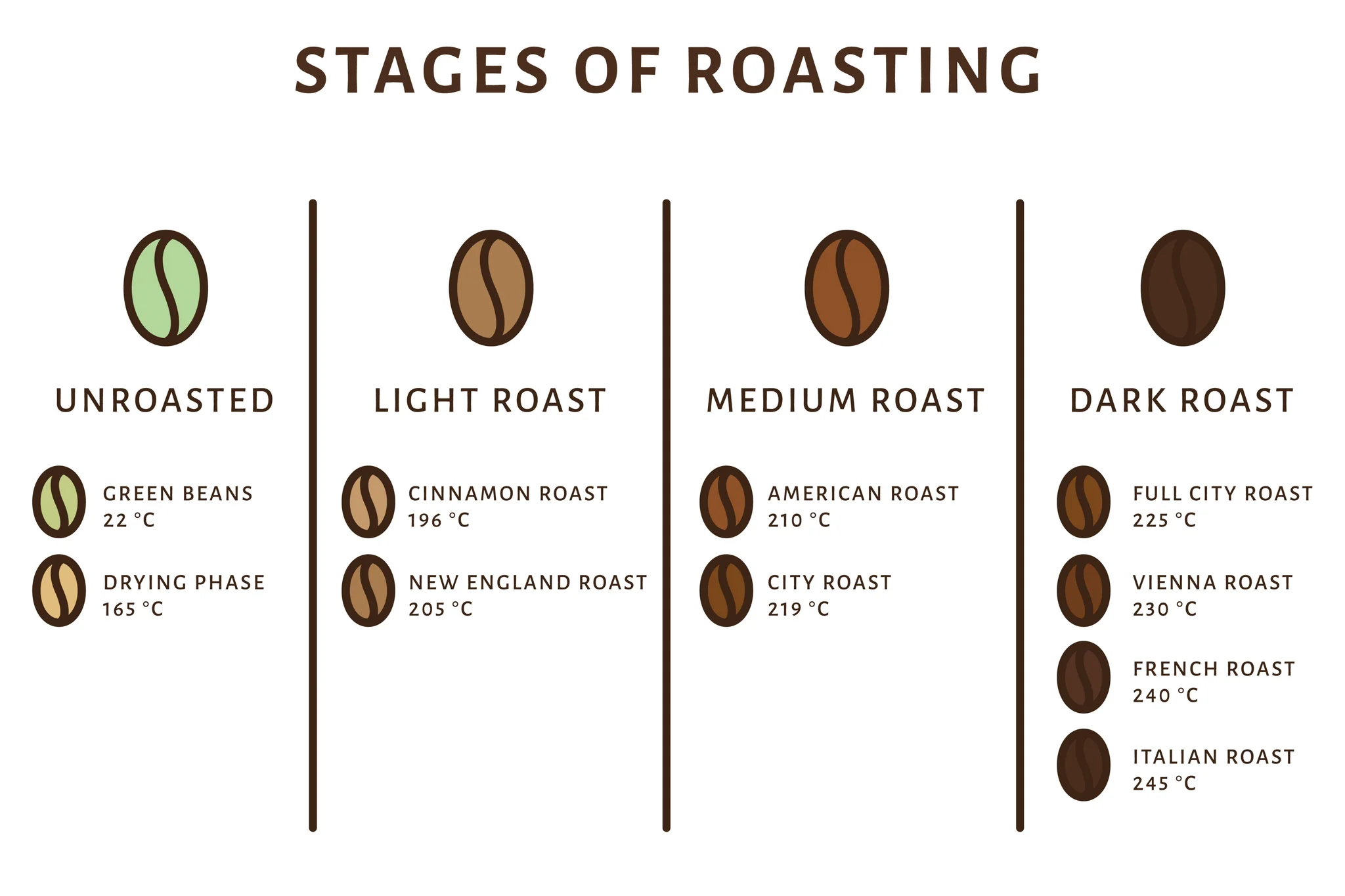
There are nine different roast levels, all occurring within this temperature range:
- First Crack Stage – Cinnamon Roast (200-210°C / 392-410°F)
Coffee beans begin producing distinct popping sounds that increase in frequency. Beans expand significantly, the surface becomes uneven with ridges, and coloring is inconsistent with yellow-brown patches. Smoke increases substantially, and chemical reactions intensify, creating alluring aromas like malted grain, toasted bread, or honey.
If roasting stops at this stage, the result is a Cinnamon roast—very acidic but with exceptionally rich flavor that preserves the coffee’s original characteristics.
- Post-First Crack Stage (210°C / 410°F and above)
The popping sounds cease as beans continue absorbing heat. Caramelization occurs vigorously, beans brown rapidly, and aroma becomes truly complex with substantial smoke production. The fragrance can spread far beyond the roasting area. Beans remain quite acidic with rich aroma, but roasted coffee notes begin to emerge.
Stopping at this level produces a City roast.
- Heat Absorption Phase (215-220°C / 419-428°F)
Extending the roast after first crack, beans brown further and the surface stretches smooth and beautiful—no longer wrinkled as before. Flavor becomes much more robust.
This produces a City+ roast.
- Pre-Second Crack Stage (220-225°C / 428-437°F)
Beans continue browning, aroma becomes increasingly intense, and acidity decreases significantly.
This level produces a Full City roast. In our experience at Hello 5 Coffee, this stage represents the most balanced expression of coffee—beans showcase their optimal quality. This stage is challenging to identify precisely because different coffee varieties, growing elevations, and cultivation methods result in varying bean structures and different cracking times.
- Early Second Crack (225-227°C / 437-441°F)
After the first few pops of second crack, stopping here produces a Full City+ roast. Acidity decreases significantly, and caramelized flavors increase.
- Mid-Second Crack (227-230°C / 441-446°F)
About 30-45 seconds into second crack produces a Vienna style roast. Original flavor characteristics begin fading, replaced by roasted notes.
- Late Second Crack (230-235°C / 446-455°F)
Approximately 50-60 seconds into second crack produces a French style roast. Sugars are completely caramelized.
- End of Second Crack (235-245°C / 455-473°F)
At this final stage, beans are approximately 25% carbonized. Dominant flavors are smoke, char, and burnt notes. This produces an Italian style roast.
The Vietnamese Coffee Difference
What makes Vietnamese coffee unique is not just the roasting technique, but the quality of the beans themselves. Vietnam is the world’s second-largest coffee producer, with robusta beans that offer bold, full-bodied flavors and arabica beans from highland regions that provide complexity and brightness.
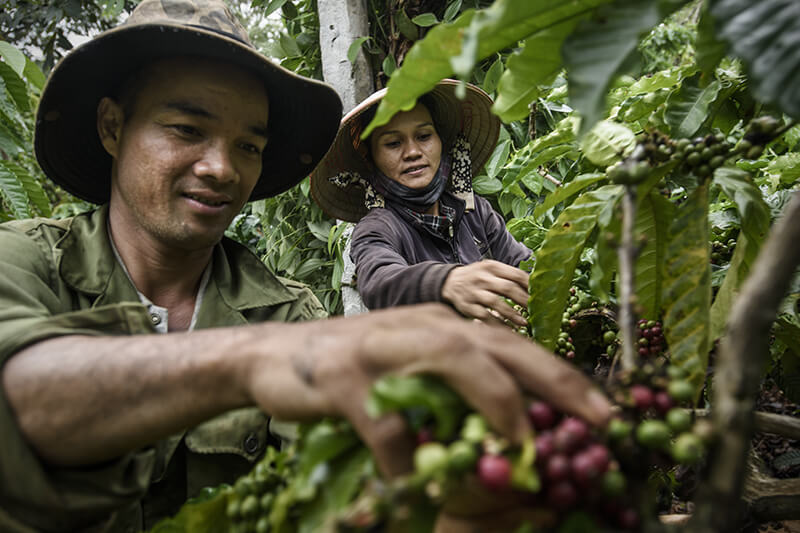
At Hello 5 Coffee, we source our beans from carefully selected farms in Vietnam’s premier coffee-growing regions, including the Central Highlands of Đà Lạt, Buôn Ma Thuột, and the northern mountains. Our commitment to natural roasting allows the terroir and inherent quality of these beans to shine through.
Read more:
Cooling: The Final Critical Step
After roasting is complete, beans must be cooled rapidly. Quick cooling prevents beans from continuing to roast from residual heat, which would push them past the desired roast level. Additionally, prolonged cooling time can cause some of the coffee’s aromatic compounds to dissipate.
At Hello 5 Coffee, we use efficient cooling systems to lock in the perfect roast profile and preserve maximum aroma.
Choosing Your Roast Level
For international coffee lovers exploring Vietnamese coffee, we recommend:
- Light to Medium Roasts (Cinnamon to City+): Perfect for appreciating the unique flavor characteristics of Vietnamese arabica beans. These roasts preserve fruity, floral, and acidic notes while offering complexity.
- Medium-Dark Roasts (Full City to Full City+): The sweet spot for many coffee enthusiasts. These roasts balance origin character with developed sweetness and body—ideal for both espresso and filter brewing.
- Dark Roasts (Vienna to French): Traditional for Vietnamese robusta, these roasts offer bold, chocolatey flavors with low acidity. Perfect for Vietnamese-style phin filter coffee or strong espresso.
Why Natural Roasting Matters
In an era where coffee processing often involves numerous additives and flavor enhancers, natural roasting stands as a testament to quality and authenticity. This method allows you to taste:
- The true character of Vietnamese coffee terroir
- The skill and care of Vietnamese farmers
- The artistry of traditional roasting techniques
- Pure coffee flavor without artificial enhancement
Experience Hello 5 Coffee
We invite you to explore our range of naturally roasted Vietnamese coffees at hello5coffee.com. Whether you’re a seasoned coffee professional or a curious enthusiast, our beans tell the authentic story of Vietnamese coffee culture.
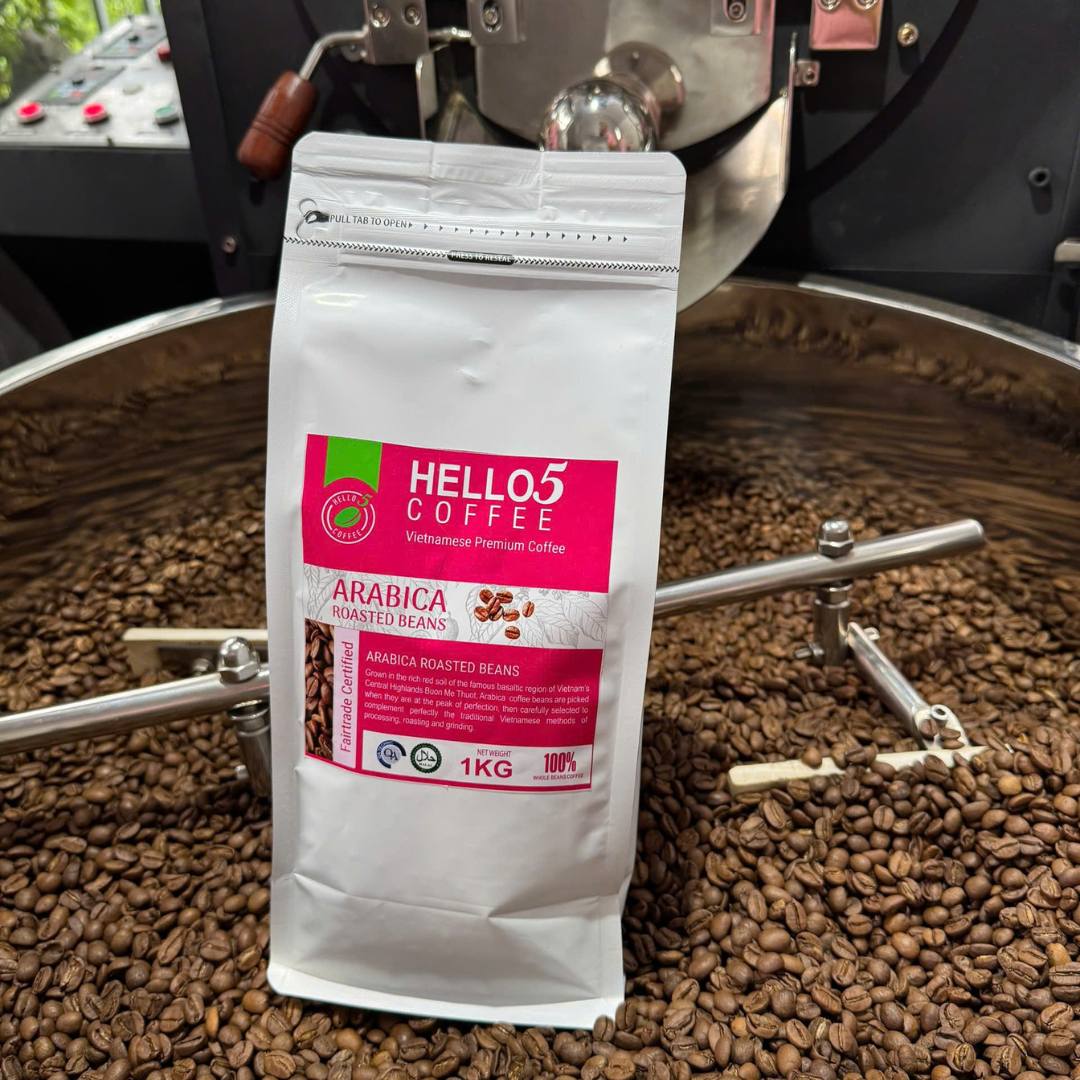
Each batch is roasted with precision, cooled immediately to preserve aroma, and packaged fresh to ensure you experience Vietnamese coffee at its finest—pure, natural, and extraordinary.
Conclusion
Natural coffee roasting is both science and art. It requires understanding the chemical transformations occurring within each bean, the sensory awareness to recognize optimal roast development, and the skill to consistently reproduce desired profiles.
At Hello 5 Coffee, we honor this tradition while sharing it with the world. When you choose our naturally roasted Vietnamese coffee, you’re not just buying a product—you’re experiencing centuries of coffee culture, dedication to craft, and the pure, unadulterated taste of one of the world’s finest coffee origins.
Visit us at hello5coffee.com to begin your journey into authentic Vietnamese coffee.
Hello 5 Coffee – Sharing Vietnam’s Coffee Heritage with the World
