Coffee is one of life’s greatest pleasures. That first cup in the morning sharpens focus, lifts your mood, and sets the tone for the day. But for millions of coffee lovers, that ritual comes with an unwelcome side effect: stomach acid, heartburn, or acid reflux (gastroesophageal reflux disease, GERD).
If you’ve ever wondered whether you have to give up coffee entirely, the good news is: probably not. Understanding how you drink coffee can make a significant difference in how your stomach responds. Below are 3 practical, health-informed tips to help you enjoy your daily cup without aggravating stomach acidity.
Medical disclaimer: The information in this article is for general educational purposes only and does not constitute medical advice. If you experience persistent acid reflux or digestive discomfort, please consult a qualified healthcare provider.
Why does coffee cause stomach acidity?
Before diving into solutions, it helps to understand the mechanism. Coffee stimulates the production of gastric acid in the stomach. This happens through several pathways:
- Caffeine relaxes the lower esophageal sphincter (LES), the valve that prevents stomach acid from flowing back into the esophagus.
- Chlorogenic acids (CGAs) and other naturally occurring compounds in coffee trigger gastrin release, a hormone that signals the stomach to produce more acid.
- High brewing temperatures can extract more acidic compounds from coffee grounds.
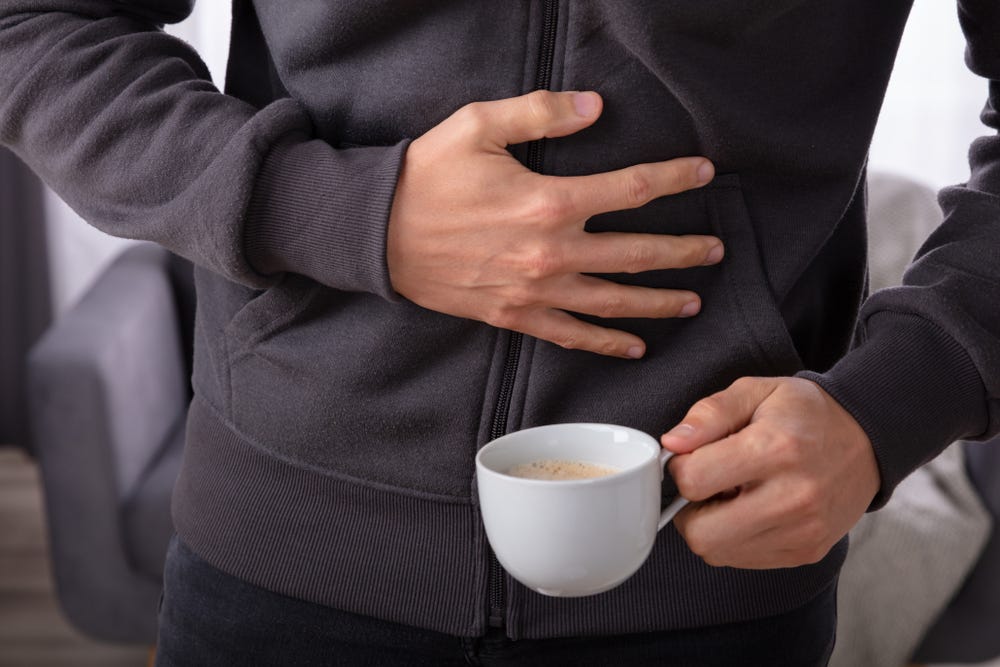
For most healthy adults, this is manageable. But for people who already have GERD, gastritis, or a sensitive digestive system, even a single cup can trigger discomfort. The key is not necessarily eliminating coffee but drinking it more strategically.
Read more: Is drinking instant coffee good for you?
Tip 1: Limit your daily coffee intake
This may seem obvious, but it bears repeating: quantity matters. Medical professionals and gastroenterologists widely recommend that individuals prone to acid reflux limit their coffee consumption to no more than 2 cups per day.
Here’s why this threshold exists: beyond 2 cups, the cumulative effect of caffeine and acidic compounds on your stomach lining and LES function becomes harder for your body to neutralize. Research published in journals such as Digestive Diseases and Sciences has noted a dose-dependent relationship between caffeine intake and acid reflux symptoms.
Practical tips for cutting back without losing the ritual:
- Brew a smaller, stronger cup and savor it slowly rather than drinking multiple large mugs.
- Replace your second or third cup with a naturally caffeine-free herbal tea or chicory coffee.
- Avoid coffee on an empty stomach. Eat something first to buffer the acid impact on your gastric lining.
Tip 2: Cut down on sweeteners and additives
You might not realize it, but what you add to your coffee can be just as problematic as the coffee itself. High-sugar drinks are known to worsen acid reflux by:
- Slowing gastric emptying, meaning food and acid stay in the stomach longer
- Increasing intra-abdominal pressure, which can push acid upward into the esophagus
- Feeding certain gut bacteria in ways that produce gas and bloating, both of which aggravate reflux
Flavored syrups, sweetened creamers, and whipped cream toppings all contribute to this effect. If you’re managing stomach acidity, consider these substitutions:
- Reduce or eliminate added sugar. If you need sweetness, try a small amount of raw honey, which has a lower glycemic index than refined sugar.
- Choose plant-based milk alternatives like oat milk or almond milk, which are lower in fat than heavy cream and less likely to relax the LES.
- Avoid artificial sweeteners if you’re prone to bloating, as some (like sorbitol) can cause digestive distress on their own.
The goal isn’t a joyless cup. It’s a lighter one that your stomach can handle.
Tip 3: Choose cold brew over hot coffee
This is perhaps the most underrated tip in the acid reflux and coffee conversation. Cold brew coffee is significantly less acidic than hot-brewed coffee, and this difference can be game-changing for people with sensitive stomachs.

Why is cold brew less acidic?
When coffee is brewed with hot water, heat accelerates the extraction of acidic compounds, including certain short-chain fatty acids and chlorogenic acids, from the coffee grounds. Cold brew, by contrast, uses room-temperature or chilled water over a longer steep time (12 to 24 hours), which extracts a different chemical profile with a higher pH (less acidic) result.
Studies have found that cold brew coffee can have a pH of around 6.31 compared to approximately 5.48 for hot-brewed coffee, a measurable and meaningful difference for acid-sensitive individuals.
Cold brew and milk: a double benefit
Cold brew is typically served diluted with water or milk in roughly equal proportions, which does two things:
- Reduces overall caffeine concentration per serving compared to a straight hot espresso or drip coffee
- Introduces milk proteins, specifically casein and whey, which research suggests may bind to chlorogenic acids (CGAs) in coffee. When CGAs bind to these proteins, they are less available to stimulate excess acid production in the stomach. This is the science behind why a coffee with milk is often better tolerated than black coffee for acid-prone drinkers.
How to enjoy cold brew at home:
- Use coarsely ground, high-quality coffee at a ratio of 1:4 coffee to water.
- Steep in a sealed container in the refrigerator for 12 to 18 hours.
- Strain through a fine mesh or paper filter.
- Serve over ice, diluted with water or your preferred milk.
Bonus tip: bananas as a natural antacid
If you find that stomach acidity returns even after following the tips above, consider reaching for a banana. Bananas are one of the most accessible natural antacids available, and here’s why:
- They have a very low natural acidity (pH of about 5 to 5.2 when ripe), making them gentle on the esophagus and stomach lining.
- They contain pectin, a soluble fiber that helps move stomach contents through the digestive tract more efficiently, reducing the time acid has to cause irritation.
- They’re rich in potassium and magnesium, minerals that help neutralize excess stomach acid.
- Certain compounds in bananas may reduce muscle spasms in the gastrointestinal tract, easing nausea and cramping that sometimes accompany acid reflux episodes.
Eating half a banana before your morning coffee or keeping one on hand for when reflux flares up is a simple, natural strategy worth trying.
Summary: Drink smarter, not less
| Strategy | Why it helps |
|---|---|
| Limit to 2 cups/day | Reduces cumulative acid stimulation |
| Reduce sugar & sweeteners | Prevents acid-aggravating blood sugar spikes and gut fermentation |
| Switch to cold brew | Lower acidity, less aggressive on the stomach |
| Add milk (especially to cold brew) | Milk proteins bind CGAs, reducing excess acid production |
| Eat a banana if symptoms occur | Natural, low-acid antacid with digestive benefits |
Read more: Who should limit drinking coffee?
Finding the right coffee makes a difference too
Beyond how you drink coffee, what you drink matters. Coffees that are grown at higher altitudes, processed cleanly, and roasted with care tend to produce a better acid profile in the cup. Over-roasted, low-grade, or adulterated coffees often introduce additional irritants that compound stomach issues.
At Hello 5 Coffee, we are committed to sourcing and serving coffee that is clean, traceable, and roasted to bring out natural sweetness rather than harsh bitterness. Whether you’re exploring single-origin pour-overs or looking for a smoother everyday blend, our coffee is crafted for people who take both flavor and wellness seriously.
Visit us at hello5coffee.com to explore our current menu and find your ideal cup, one that you and your stomach can both appreciate.
Read more: Top 5 Best Vietnamese Coffee Brands Loved Worldwide
Sources & references:
- Digestive Diseases and Sciences: research on caffeine and acid reflux
- Cold brew pH studies: Scientific Reports, various food science publications
- General gastroenterology guidance: American College of Gastroenterology (ACG) guidelines on GERD management
- Banana as antacid: anecdotal clinical practice and general nutritional science literature
Note: This article is for informational purposes only. Always consult your physician or gastroenterologist for personalized medical guidance.
