
If you look at the sourcing trends of coffee roasters in the UK over the past few years, you’ll notice something interesting. More and more brands are starting to include Vietnam in their portfolio, not just for Robusta, but for specialty coffee as well.
This shift didn’t happen overnight. For a long time, Vietnam was mainly seen as a source of affordable, high-volume coffee. But today, the conversation is changing. UK roasters are no longer looking at Vietnam just for cost savings, they’re looking at it as a strategic origin.
So what exactly is driving this change?
Rising coffee costs are forcing roasters to rethink sourcing
One of the biggest reasons is simple: coffee is getting more expensive globally.
In recent years, prices of both Arabica and Robusta have increased significantly due to climate issues, supply disruptions, and growing demand. In fact, global reports show that coffee prices have surged sharply, putting pressure on roasters’ margins, especially in markets like the UK where operating costs are already high.
At the same time, traditional sourcing regions such as Brazil and Colombia are becoming less predictable. Weather conditions, crop cycles, and logistics issues all add uncertainty.
This is where Vietnam becomes relevant.
Vietnam is currently the second-largest coffee producer in the world, and more importantly, the largest producer of Robusta, supplying over 40% of global output. That scale brings something every roaster needs: stability.
For UK coffee brands, working with a stable origin helps reduce risk and keep supply consistent, something that matters just as much as price.
Vietnamese coffee is no longer just “commodity”
For years, Vietnamese coffee was associated with bulk Robusta and instant coffee. That perception is still common, but it’s increasingly outdated.
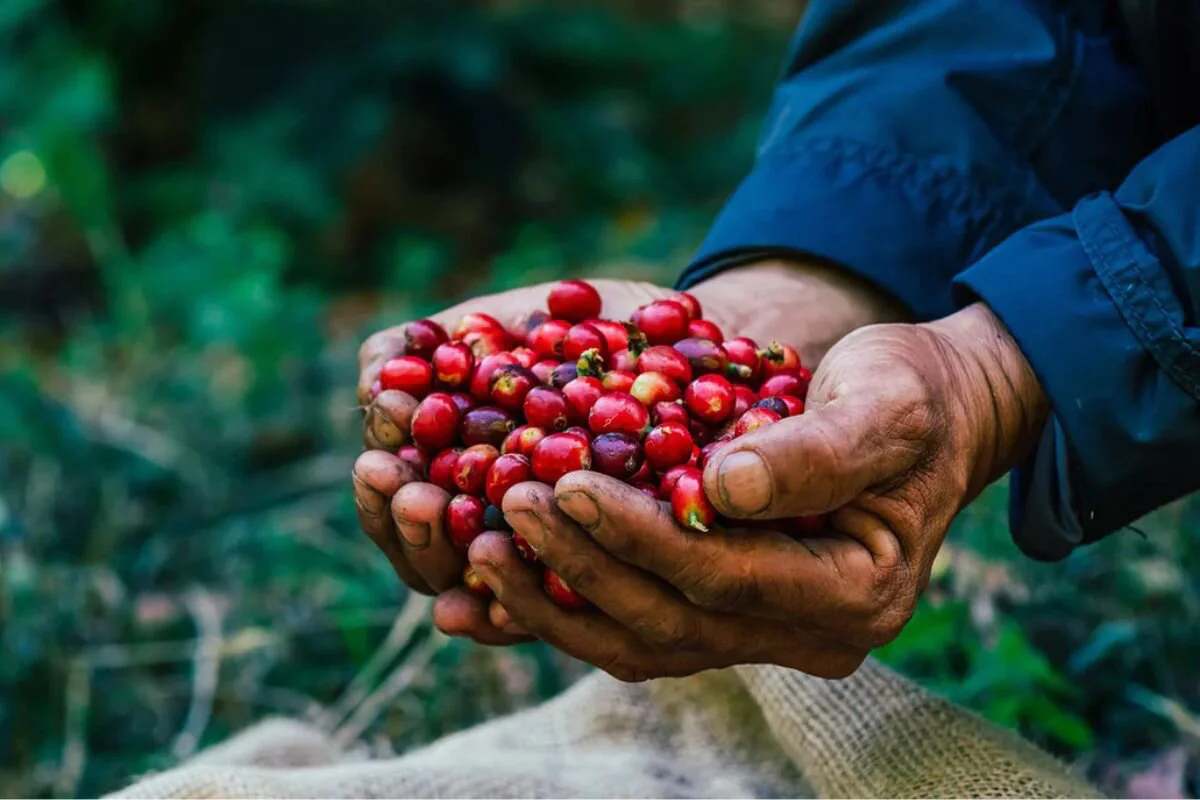
Today, the industry is shifting toward higher-quality production. Investment in processing, traceability, and post-harvest techniques is improving overall cup quality. According to market data, the specialty coffee segment in Vietnam is growing at nearly 7% annually, driven by both export demand and premium positioning.
At the same time, producers are moving beyond traditional methods. Washed, honey, and natural processing are becoming more common, especially in Arabica-growing regions like Da Lat and Son La.
Even Robusta is changing. With the rise of “Fine Robusta,” better harvesting and grading standards are helping shift its reputation. What used to be considered a low-grade bean is now being re-evaluated by specialty roasters.
For UK brands, this opens up a new possibility: sourcing coffee that is both affordable and high quality, instead of choosing between the two.
Read more: Should I Open a Vietnamese Coffee Shop in the UK?
Better margins without sacrificing quality
For most coffee businesses, sourcing decisions come down to one thing: margin.
Running a coffee brand in the UK is expensive. Rent, labor, and energy costs are all high, and coffee beans are only a small part of the final price of a cup. Still, even small changes in green coffee cost can make a big difference over time.
Vietnam offers a clear advantage here. Thanks to efficient farming and large-scale production, Vietnamese coffee is often more competitively priced than beans from Latin America, even at similar quality levels.
This doesn’t mean it’s “cheap coffee.” It means better value per kilogram.
For roasters, that flexibility matters. It allows them to:
- maintain pricing without cutting quality
- experiment with new blends
- improve margins in a competitive market
And in a market like the UK, where competition is intense, that kind of flexibility can be a real advantage.
Robusta is making a comeback
Another important shift is happening at the product level: Robusta is being re-evaluated.
For decades, Arabica dominated the specialty conversation. But that is starting to change. Robusta, especially high-quality Robusta, is gaining attention for a few key reasons.
First, it is more resilient. Robusta plants are naturally more resistant to pests and climate stress, which makes supply more stable in the long term.
Second, it delivers a different kind of flavor. While Arabica is known for acidity and complexity, Robusta brings body, intensity, and crema, qualities that work particularly well in espresso.
And third, it helps balance cost. With Arabica prices rising, many roasters are turning to Robusta to create blends that are both flavorful and commercially viable.
Vietnam, being the world’s leading Robusta producer, is at the center of this shift. In fact, Robusta accounts for over 80–90% of the country’s coffee production, making it the most reliable source globally.
For UK brands, this isn’t just about replacing Arabica. It’s about rethinking how blends are built.
The UK market is ready for new coffee origins
Consumer behavior is also playing a role.
In the UK, coffee drinkers are becoming more curious. They are no longer just looking for “good coffee”, they are interested in origin, story, and uniqueness. This is one of the reasons why specialty coffee has grown so quickly across Europe.
Vietnam fits well into this trend.
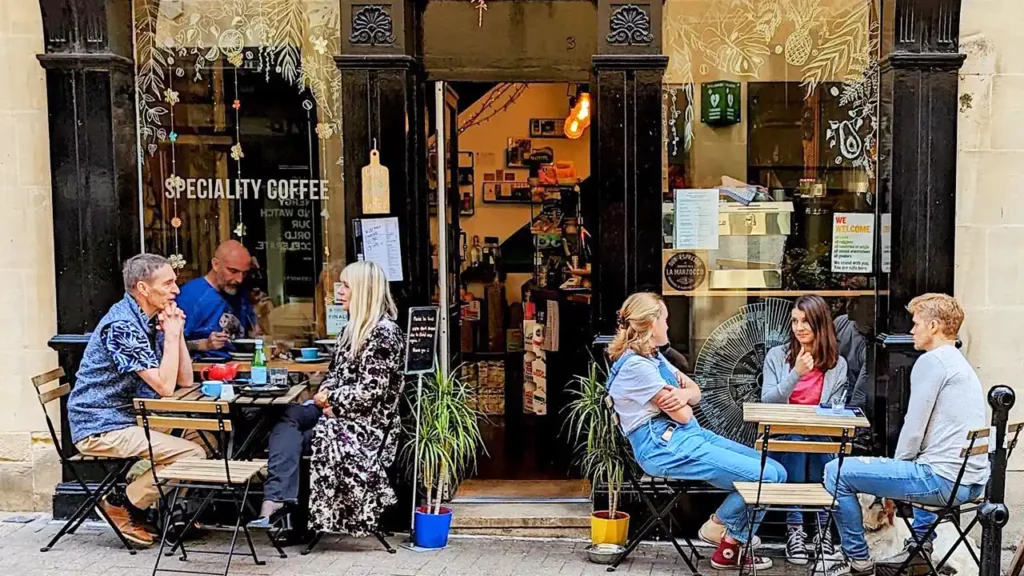
It offers something different. The flavor profiles are not identical to Latin America or Africa, which gives roasters a chance to create products that stand out. At the same time, the story behind Vietnamese coffee, its history, its culture, its rapid development, adds another layer of interest.
For brands, this is valuable. It’s not just about sourcing beans, but about building a narrative that customers connect with.
Supply stability is becoming a strategic priority
Beyond price and quality, there is another factor that more roasters are starting to care about: supply chain resilience.
Global coffee supply is becoming more uncertain due to climate change, regulatory changes, and shifting demand. Relying too heavily on a small number of origins can be risky.
Vietnam helps diversify that risk.
With annual production often reaching around 1.7 million tonnes and strong export infrastructure, Vietnam is one of the most stable coffee suppliers in the world. It is also the largest Robusta supplier to Europe, making it already deeply integrated into the UK supply chain.
For many coffee brands, adding Vietnam is not just a cost decision, it’s a long-term strategy.
Read more: Best Vietnamese coffee beans for roasters in the UK
Conclusion
The shift toward Vietnamese specialty coffee is not a short-term trend. It reflects a broader change in how coffee brands think about sourcing.
UK roasters today are balancing more factors than ever: cost, quality, consistency, and risk. Vietnam happens to sit at the intersection of all four.
With improving quality, competitive pricing, and reliable supply, it offers something that is increasingly hard to find in a single origin.
For some brands, it starts as a way to reduce costs. But for many, it becomes something more, a way to build better blends, create new products, and stay competitive in a rapidly changing market.
And that’s why more UK coffee brands are making the switch.
