
Typica coffee is one of the oldest purebred Arabica coffee varieties and plays an important role in the development of other Arabica cultivars.
What is Typica Coffee?
Typica coffee is one of the oldest purebred Arabica coffee varieties, originating from Ethiopia, and is considered the “ancestor” of many modern Arabica cultivars. Renowned for its perfectly balanced flavor — featuring a bright acidity, sweet aftertaste, and gentle bitterness — Typica typically offers a rich aroma and is highly prized in specialty coffee preparation.
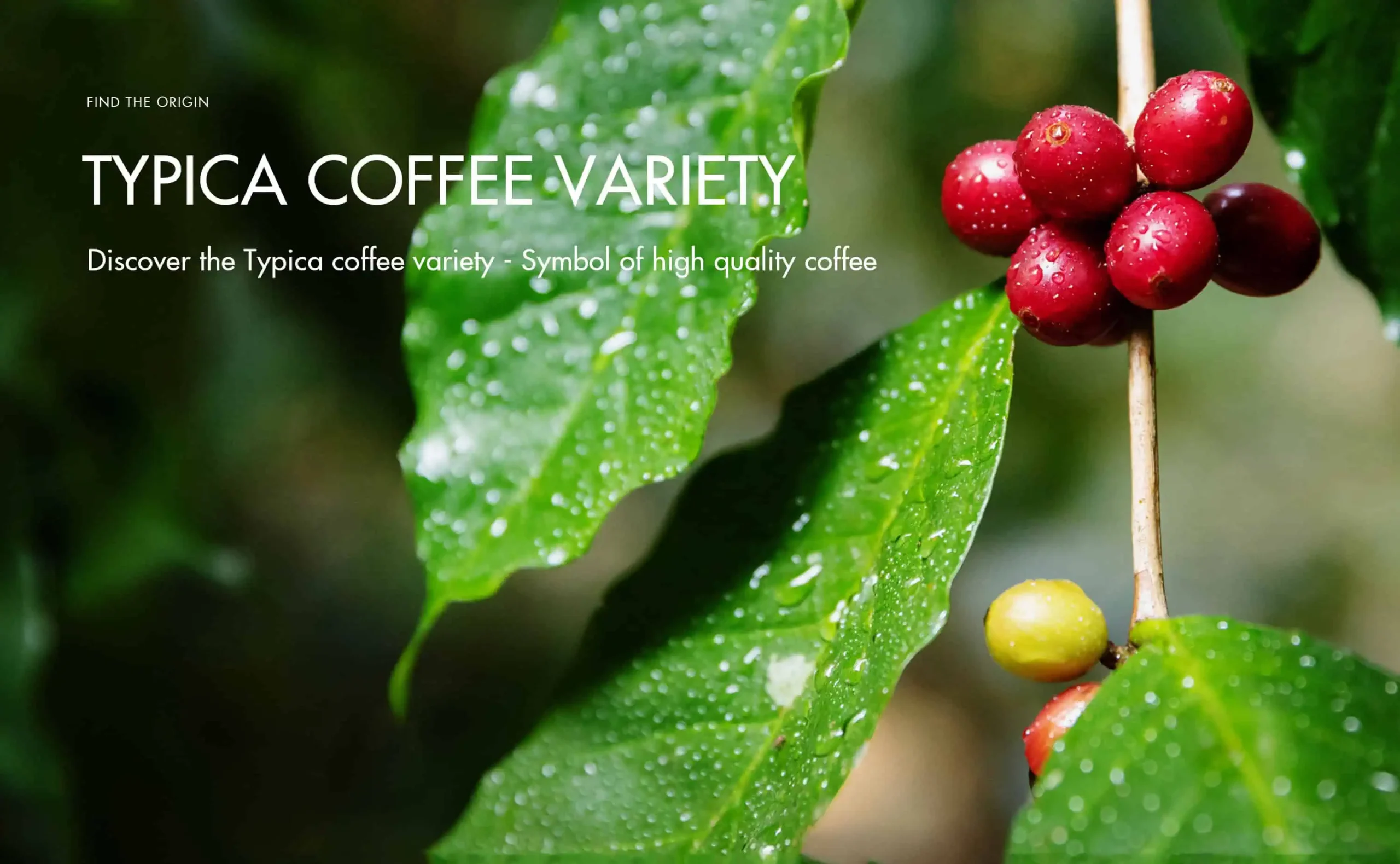
With its unique genetic characteristics, Arabica Typica stands out for its high malic acid content, delivering an apple-like sourness. Combined with its natural sweetness, this creates a well-rounded flavor profile that is highly regarded. Compared to the Bourbon variety, Typica produces longer beans but yields approximately 20–30% less. However, it is particularly susceptible to pests and coffee diseases such as leaf rust and coffee berry disease.
In summary, Typica excels at producing high-quality coffee beans, but its economic efficiency is relatively low. To address these challenges, many sub-varieties have been developed in hopes of improving both the quality and productivity of the coffee plant.
Origins of Typica Coffee
Arabica Typica holds a special place in the coffee world, with a unique and significant genetic history. Its limitations and achievements have been documented over many centuries. Typica coffee beans are traced back to the coffee forests of southwestern Ethiopia, and from the 16th century onward, they were brought to Yemen. The first Typica seeds were transferred from Yemen to Baba Budan in India, opening a new era of coffee cultivation there — particularly in the Mysore region, most notably Malabar.
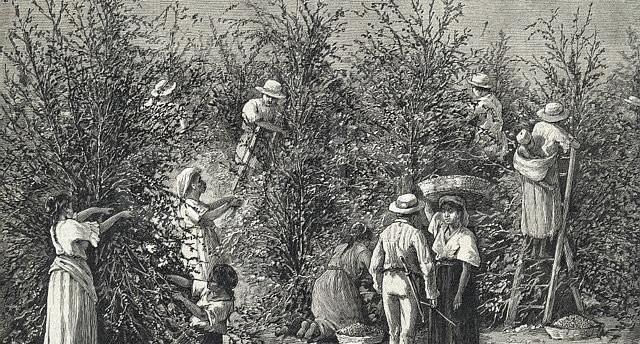
From the Malabar coast, the Dutch introduced Typica coffee plants to Batavia (now Jakarta, Indonesia) around 1696–1699. Prior to this, in 1690, the Dutch had attempted to grow Typica seeds from Yemen directly in Batavia, but most did not survive an earthquake.
Typica’s journey continued when a notable plant from the Typica group on the island of Java, Indonesia, was brought to Amsterdam in 1706, where it was housed in the city’s botanical garden. This opened the door for the development of new coffee varieties that would later spread to the Americas in the 18th century.
In 1714, following the signing of the Treaty of Utrecht, the mayor of Amsterdam gifted a Typica coffee plant to King Louis XIV of France. The plant was cultivated in the greenhouse of the Jardin des Plantes, contributing to the worldwide spread of Arabica Typica.
The Global Journey of Typica Coffee
France and the Netherlands — the two empires holding Arabica Typica seeds — played a pivotal role in spreading this coffee variety across the world throughout the 17th and 18th centuries. During this period, both empires were dividing colonial territories in South America, specifically the Guianas, with the Dutch controlling one portion (now Suriname) and the remainder belonging to France. In 1719, Arabica Typica made a notable journey from Dutch Guiana to French Guiana, before arriving in Brazil in 1727. Another route led from Paris to the island of Martinique, pioneered by Captain Gabriel de Clieu.

From Brazil, Arabica Typica spread to Peru and Paraguay. By the late 18th century, Typica cultivation had expanded to the Caribbean (including Cuba, Puerto Rico, and Santo Domingo), Mexico, and Colombia, then throughout Central America (with the earliest cultivation in El Salvador in 1740). Until the 1940s, the majority of coffee plantations in Central America used the Typica variety. However, due to its low yield and high susceptibility to diseases such as leaf rust, coffee berry disease, and nematodes, it was gradually replaced in many Latin American countries. Nevertheless, it is still widely grown today in Peru, the Dominican Republic, Ecuador, and Jamaica.
Typica in Vietnam
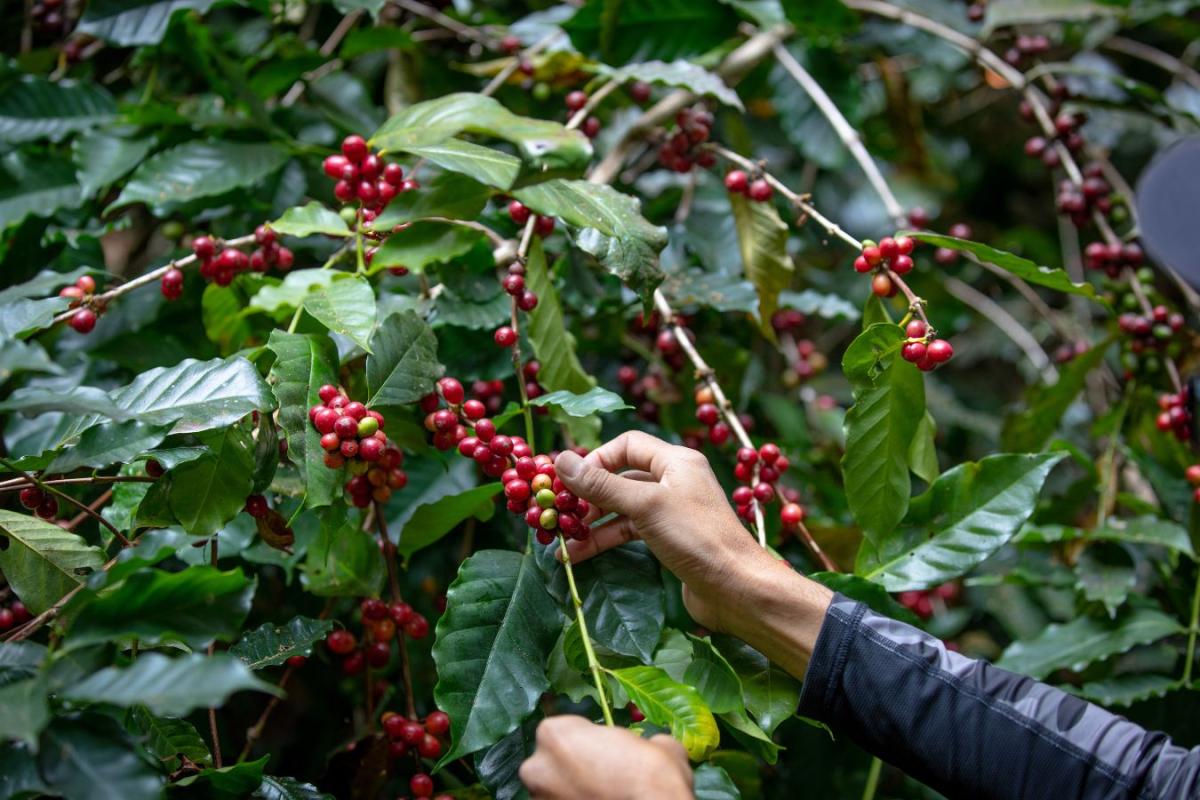
Typica coffee was introduced to Vietnam by the French in 1875 and cultivated in Cau Dat, Da Lat. Initially, Typica coffee was considered a rare and premium variety, reserved for the upper class. However, from 2001 onward, due to its low yield and falling prices, farmers began transitioning to other coffee varieties. Today, purebred Typica coffee is very rare and produced in limited quantities in Vietnam.
Read more: The Best Arabica Coffee Growing Regions in Vietnam
Notable Characteristics of Typica Coffee
Growth Characteristics
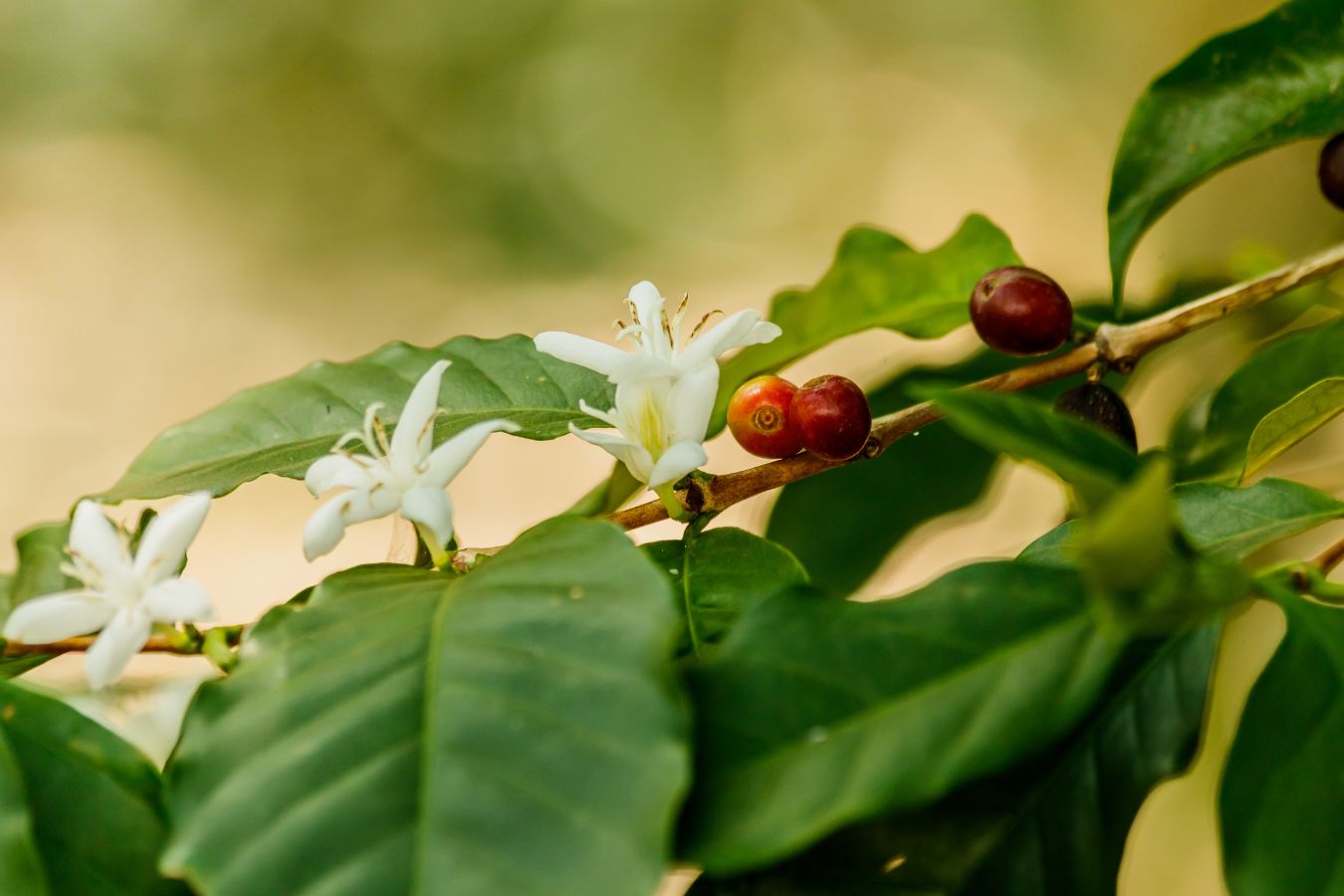
Typica coffee trees have a distinctive appearance, with a straight central trunk and lateral branches growing at an angle, forming a balanced conical structure. The average height of the tree ranges from 3.5 to 4 meters — not overly large, but sufficient to form a wide canopy. Typica’s branches are relatively slender, growing in a conical pattern at angles of 50–70 degrees from the main trunk, contributing to the tree’s overall symmetry.
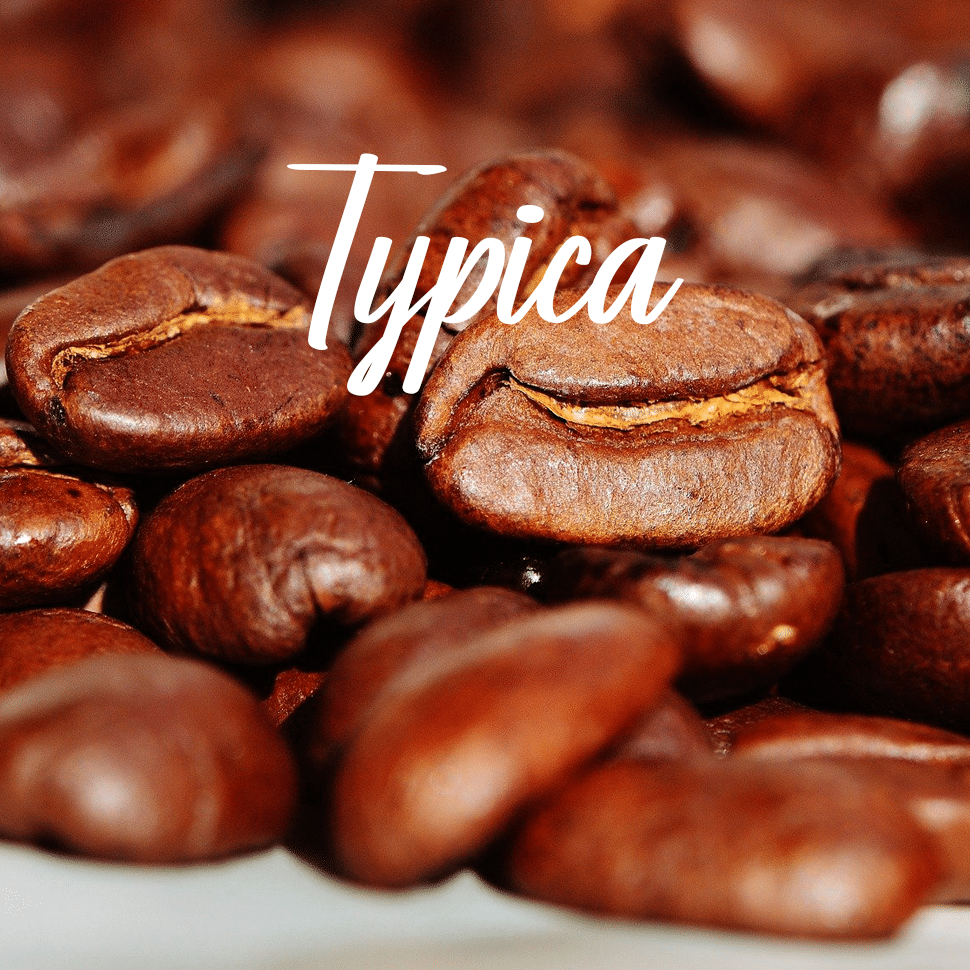
Typica coffee beans are oval and rounded in shape, and relatively small in size. Notably, the caffeine content in Typica beans is relatively low, at around 1–2%, producing a light, pleasant beverage for the drinker.
Flavor Profile
Typica coffee is highly regarded by coffee connoisseurs for its refined and distinctive flavor that captivates all the senses. A gentle bright acidity blends harmoniously with a smooth, rich bitterness, creating a perfect balance on the palate. The aroma of Typica coffee is equally enchanting — delicate and elegant, with subtle hints of flowers and fruit.
Popular Typica Coffee Varieties
Typica coffee encompasses many different cultivars, each bringing its own unique flavors and characteristics. Some of the most well-known Typica varieties worldwide include:
- Blue Mountain (Jamaica): Renowned for its balanced, refined flavor and mild acidity.
- Kent (India): Delivers a bold, robust flavor with a lingering finish.
- Maragogype / Maragogipe (Brazil): Distinguished by its large beans and complex flavor, combining sour, sweet, and bitter notes.
- Sao Bernardo (Brazil), Amarello de Botucatu (Brazil): Offer unique and distinctive flavor profiles.
- Java (Indonesia), Sumatra (Indonesia): Deliver earthy, full-bodied flavors with a long-lasting finish.
- Kona (Hawaii): Famous for its smooth, balanced flavor and mild acidity.
- Guatemala (Central America), San Ramon (Costa Rica): Feature fruity, floral flavors with a bright acidity.
- Bergandal (Indonesia), Pluma Hidalgo (Mexico), Villalobos (Spain): Offer unique and distinctive tasting experiences.
Major Typica Coffee Growing Regions Around the World
Typica is cultivated in many parts of the world, delivering unique and impressive flavor profiles. Below is an overview of some of the key growing regions for this variety:
- Central & South America: This is the cradle of Typica coffee and the most widespread growing region, known for exceptional quality and high consumption volumes. With ideal climatic and soil conditions, Typica from Central and South America boasts a balanced, smooth flavor with a bright acidity, natural sweetness, and a long-lasting finish. Every cup from this region consistently satisfies the most discerning drinkers.
- Jamaica: This island is renowned for its Blue Mountain variety, one of the most expensive and sought-after coffees in the world. Here, Typica is grown on mountain slopes above 2,000 meters, where the climate is cool and the soil is fertile. These exceptional conditions give Jamaican Typica a distinctive flavor — elegant bright acidity, and delicate fruity and floral notes.
- Vietnam: Typica was introduced to Cau Dat, Da Lat by the French in the early 20th century. Due to its low yield and high cost of production, Vietnamese Typica has become increasingly rare, lending it a special exclusivity and value. Cau Dat Typica coffee boasts a rich, full-bodied flavor with a mild brightness and a sweet, lingering aftertaste.

Discover Premium Vietnamese Typica at Hello 5 Coffee
At Hello 5 Coffee, we are passionate about bringing the finest Vietnamese coffee to the world. As a specialist in sourcing and exporting high-quality Vietnamese coffee to international customers, we take pride in offering rare and authentic Cau Dat Typica — one of Vietnam’s most treasured coffee gems.
Grown at altitude in the cool highlands of Da Lat and cultivated with generations of expertise, our Typica beans deliver the delicate balance of bright acidity, gentle bitterness, and sweet floral notes that coffee lovers around the globe adore. Whether you are a specialty coffee importer, roaster, or discerning buyer, Hello 5 Coffee guarantees traceable origins, meticulous processing, and consistent premium quality in every shipment.
Experience the heritage of Vietnamese Typica — where tradition meets excellence.
Contact us today to request samples or learn more about our export offerings. Let Hello 5 Coffee be your trusted partner in bringing the soul of Vietnamese coffee to your customers worldwide.
