If you’ve noticed that some coffee beans are labeled “shade-grown” and cost significantly more than regular coffee, you’re probably wondering what makes them special. The answer lies in how these coffee plants are grown—and why the traditional farming method produces coffee that’s worth every penny.
What is shade-grown coffee?
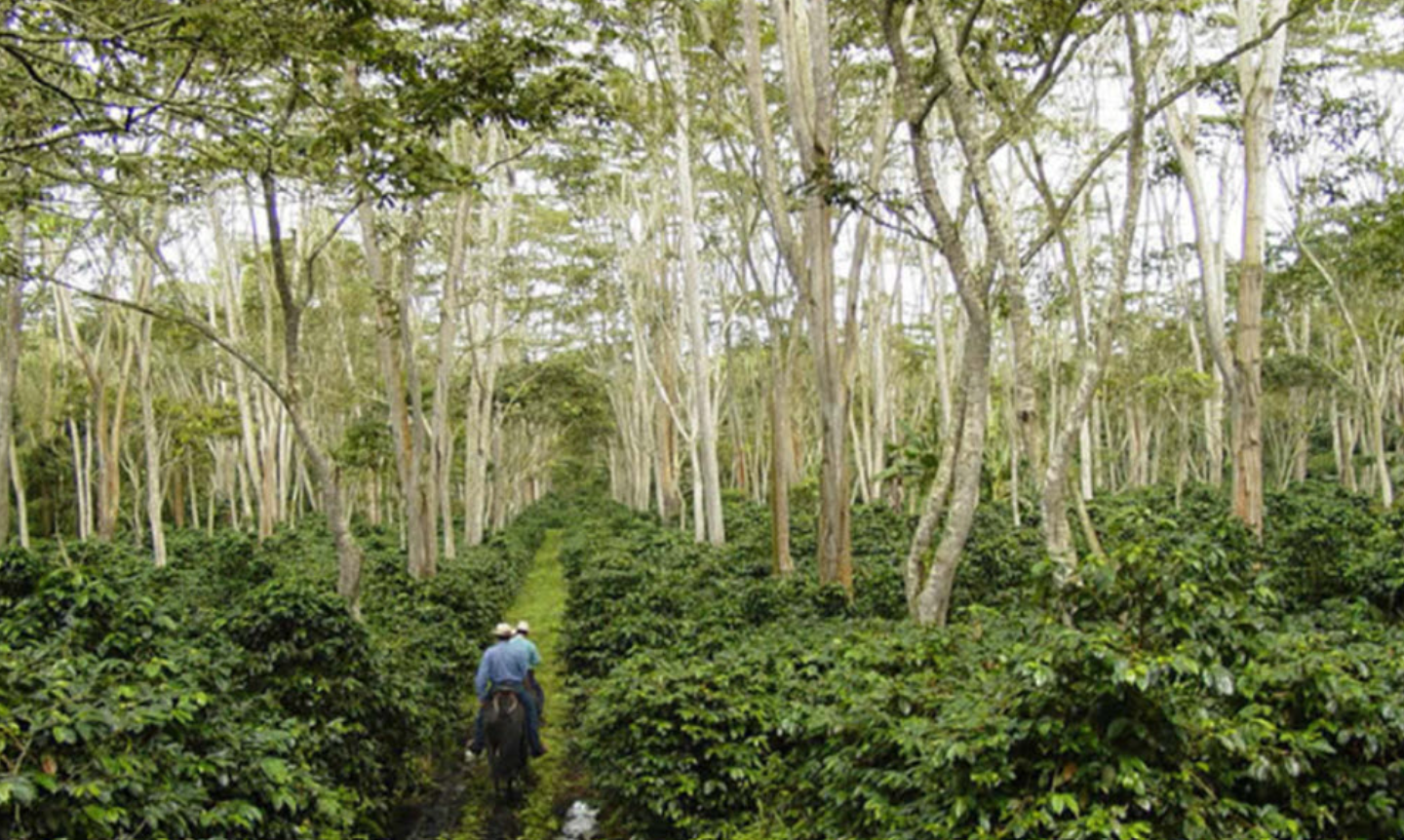
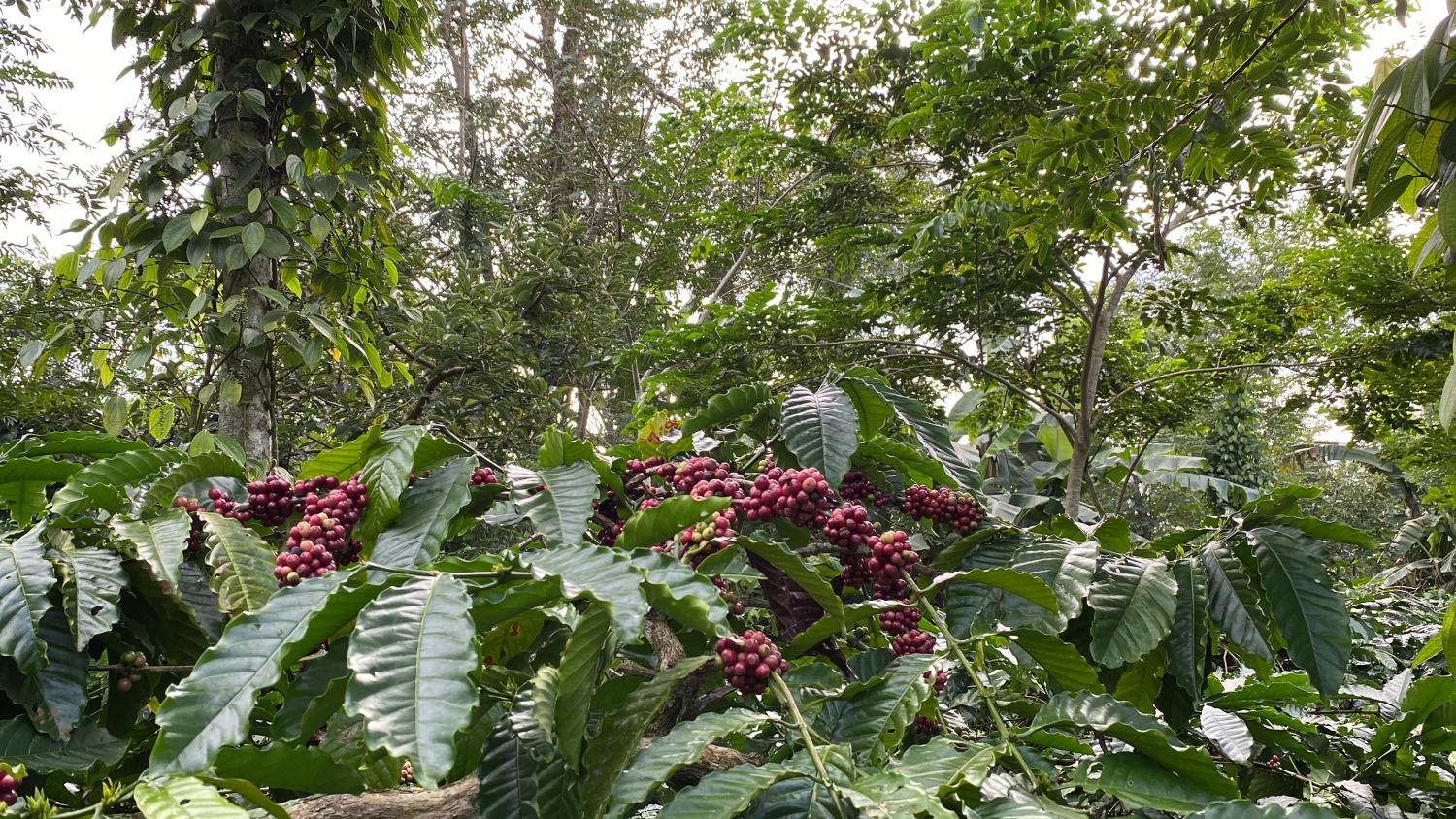
Shade-grown coffee is exactly what it sounds like: coffee plants grown under a canopy of taller trees, just as they naturally grow in their native environment. Instead of being planted in rows under direct sunlight, these coffee plants thrive in the dappled shade of trees like fruit trees, pepper plants, or native forest species.
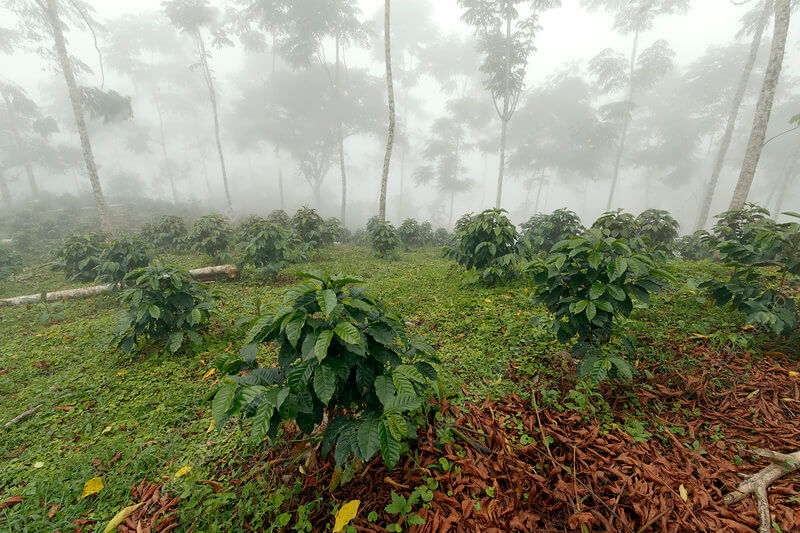
This is actually how coffee was always grown, for centuries. Coffee plants naturally prefer shaded environments—they’re forest plants by origin. It wasn’t until the 1970s that the industry shifted toward “sun-grown” coffee, where trees are cleared and coffee is planted in dense rows under full sunlight to maximize yields.
The trade-off: Lower yields, higher quality
Here’s the honest truth about shade-grown coffee: it produces less coffee per hectare than sun-grown coffee. For farmers, this means lower quantity. For you, this means higher prices.
But here’s what you get in return: significantly better coffee.
Why shade-grown coffee tastes better
When coffee cherries ripen slowly in the shade, several important changes happen:
- Slower maturation develops more complex flavors: Coffee grown in the shade allows the beans to grow and mature naturally, and the beans develop more evenly and become more saturated with oils and sugars, leading to a more flavorful coffee.
- Natural sugars increase: Since shade grown coffee matures at a slower rate than sun grown coffee, it develops more natural sugars which enhance the flavor. This creates a sweeter, more balanced cup with less bitterness.
- Lower caffeine and acidity: The slower pace minimizes both the caffeine content and the acidity of the coffee, resulting in a smoother taste and less negative effects on the body, such as jitters and stomach aches.
- Better consistency: The beans mature more uniformly under shade, which means more consistent roasting and a better final cup.
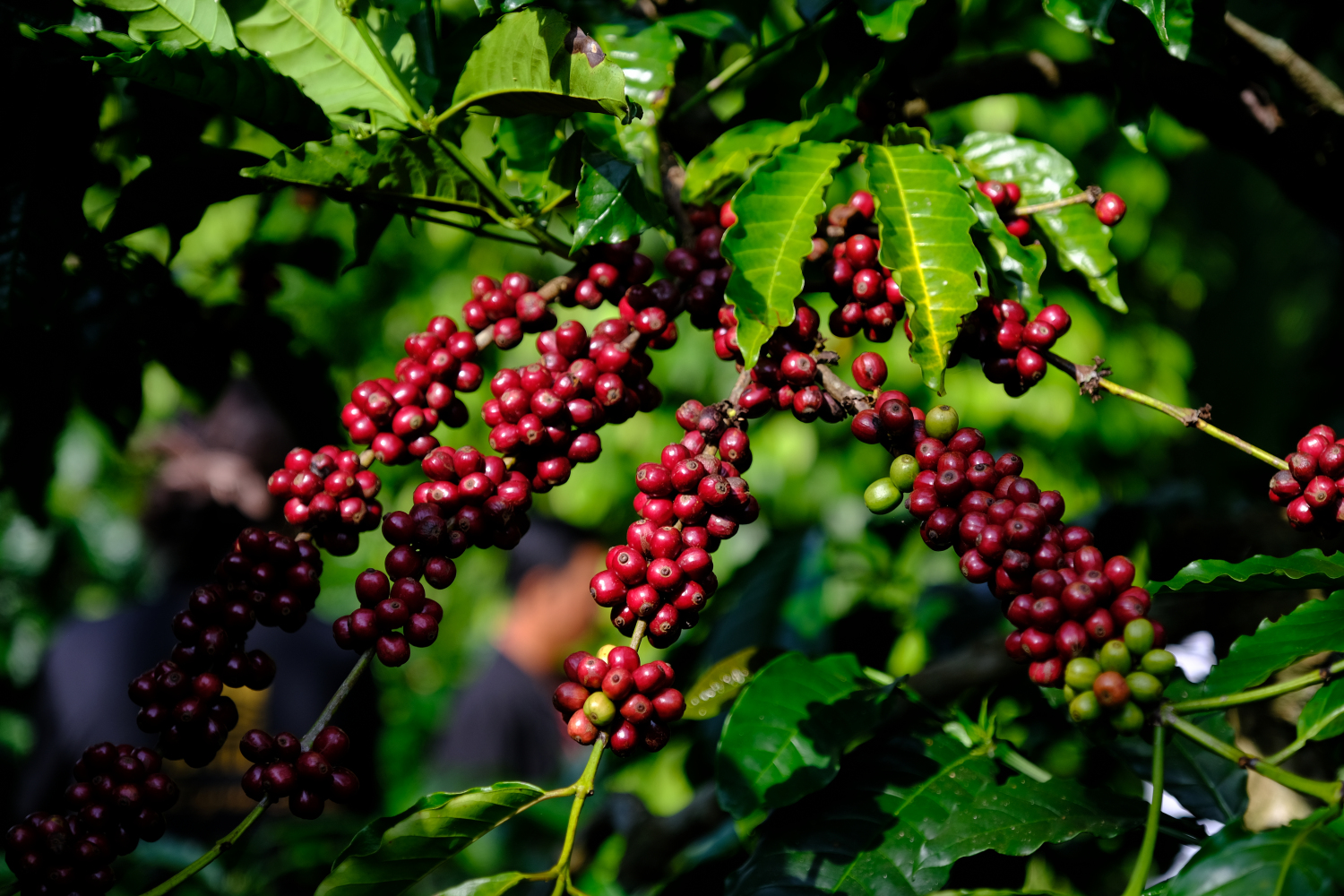
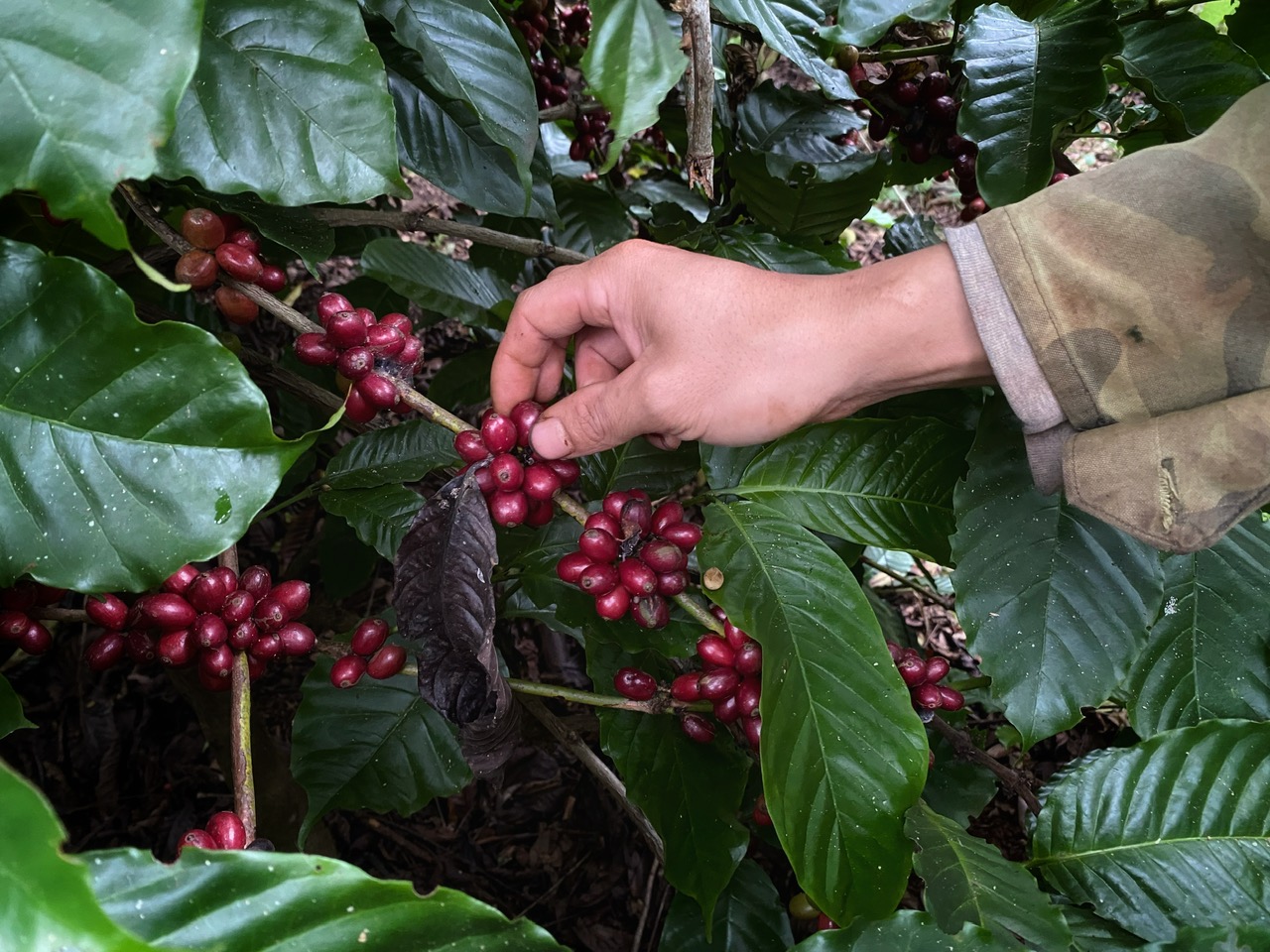
Think of it like the difference between tomatoes rushed to ripen versus tomatoes that slowly mature on the vine. The slower process allows the coffee cherry to fully develop all its flavor compounds, resulting in coffee that’s noticeably richer, smoother, and more complex.
The environmental story behind your cup
Beyond taste, shade-grown coffee tells a different environmental story than conventional coffee:
- Preserving biodiversity: By growing coffee under tree canopies, farmers create conditions that enhance flavor while protecting ecosystems, conserving water, and supporting biodiversity. These farms provide habitat for birds, insects, and wildlife.
- Healthier soil: The tree canopy provides natural mulch through fallen leaves, which enriches the soil with organic matter. This means less need for chemical fertilizers.
- Natural pest control: The diverse ecosystem attracts birds and beneficial insects that naturally control coffee pests, reducing the need for pesticides.
- Carbon storage: The trees act as natural carbon sinks, absorbing carbon dioxide and helping to mitigate climate change.
- Water conservation: The shade canopy reduces evaporation, helping maintain soil moisture and reducing irrigation needs.
When you buy shade-grown coffee, you’re supporting farming methods that work with nature rather than against it.
How shade-grown coffee works in Vietnam
Vietnam is the world’s second-largest coffee producer, and while the country is famous for its Robusta coffee, an increasing number of Vietnamese farmers are adopting shade-grown methods for both Robusta and Arabica varieties.
In Vietnam’s Central Highlands—regions like Đắk Lắk, Đắk Nông, and Lâm Đồng—progressive farmers are implementing multi-layer agroforestry systems:
- Layer 1 – Ground cover: Grass and low plants that prevent soil erosion and retain moisture
- Layer 2 – Coffee plants: Robusta or Arabica coffee shrubs at the optimal height for harvesting
- Layer 3 – Medium trees: Pepper plants, fruit trees like jackfruit, or other productive plants
- Layer 4 – Tall shade trees: Large trees that provide the canopy coverage for everything below
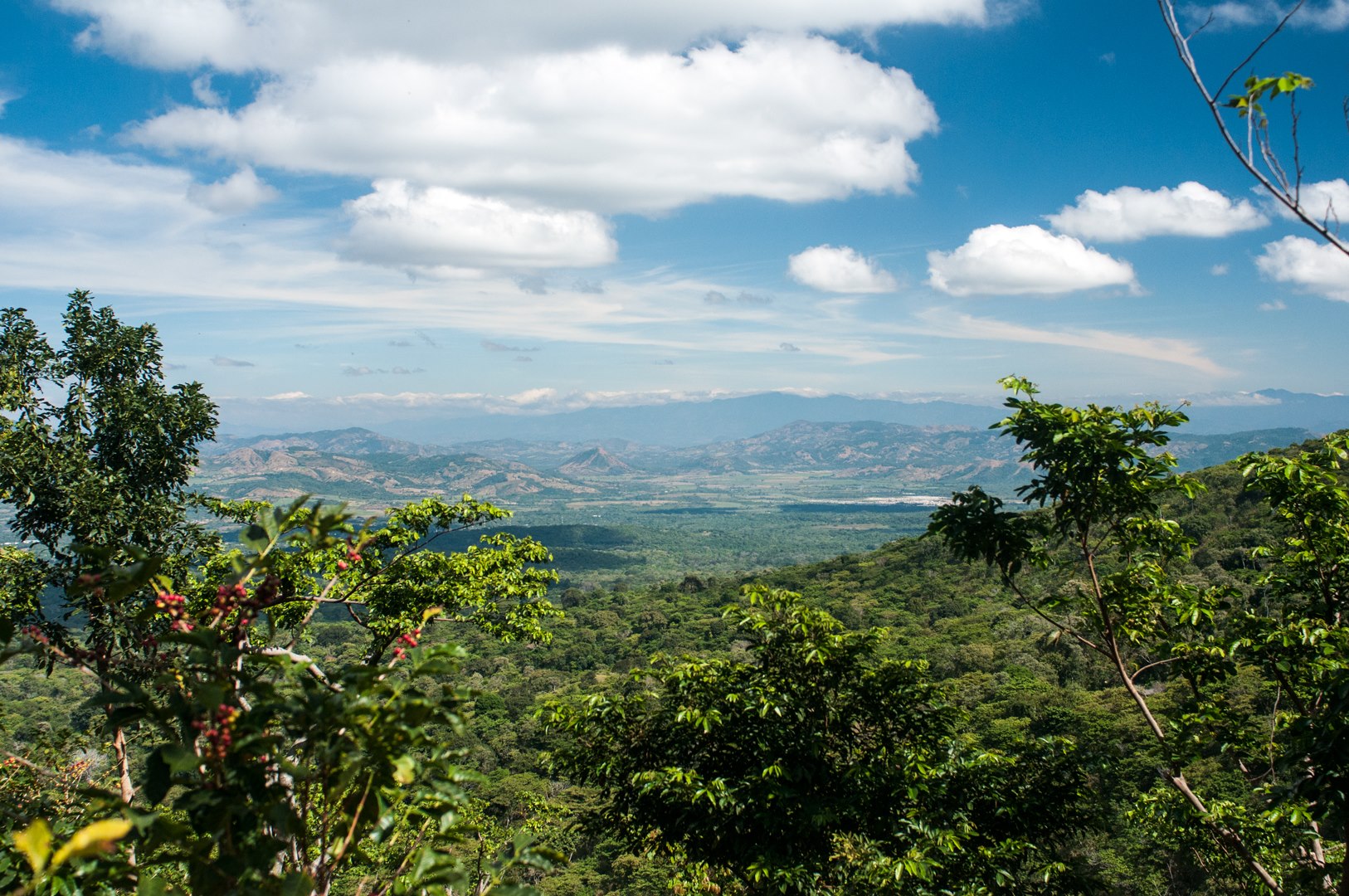
This layered system creates a mini-ecosystem where each layer supports the others. The result is healthier coffee plants producing premium beans.
Vietnamese Robusta under shade: Breaking stereotypes
Robusta has traditionally been considered the “inferior” coffee bean, grown cheaply in full sun for instant coffee and low-grade blends. But that’s changing.
In Vietnam, the world’s second-biggest coffee grower, producers are working to rehabilitate the Robusta bean, which is often considered the inferior sibling of Arabica. By growing Robusta under shade using organic methods, Vietnamese farmers are producing specialty-grade Robusta that rivals Arabica in complexity and flavor.
Shade-grown Vietnamese Robusta offers:
- Bold, full-bodied flavor with less bitterness
- Smooth, creamy texture
- Notes of chocolate, nuts, and caramel
- Higher caffeine content for those who want a stronger cup
- Exceptional value compared to Arabica
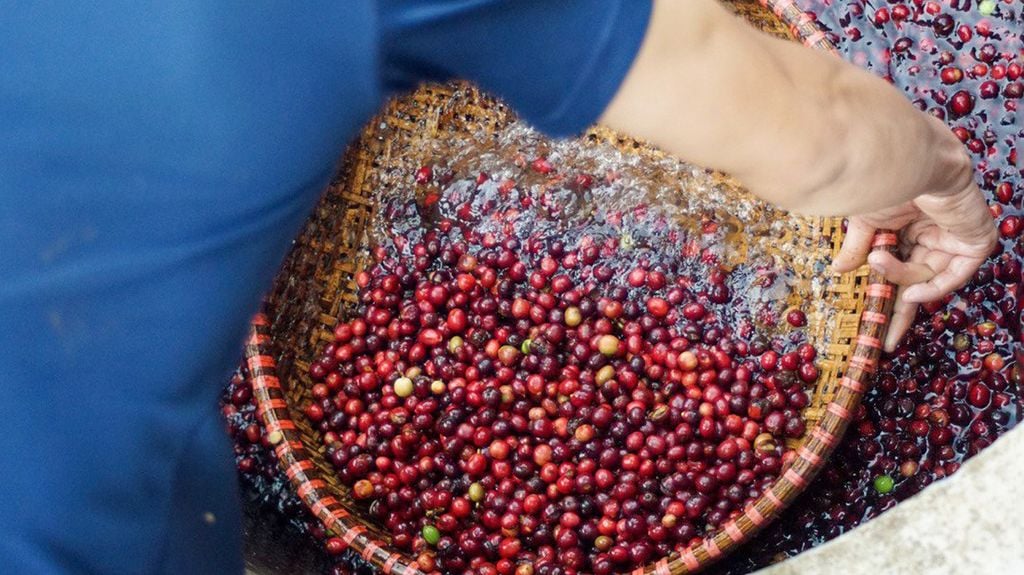
Vietnamese Arabica under shade: Premium highland coffee
Vietnam’s Arabica, primarily grown in the highland regions around Đà Lạt and Lâm Đồng at elevations above 1,000 meters, thrives under shade conditions. These high-altitude, shade-grown Arabica beans develop:
- Bright, fruity acidity
- Floral aromatics
- Smooth, sweet finish
- Complex flavor profiles that compete with beans from anywhere in the world
Shade-grown coffee typically costs 15-30% more than conventional sun-grown coffee. Here’s why:
- Lower yields: Shade-grown farms produce less coffee per hectare. A sun-grown plantation might yield 3,000-4,000 kg/hectare, while shade-grown farms typically produce 1,500-2,500 kg/hectare for Arabica and 2,000-2,500 kg/hectare for Robusta.
- More labor intensive: Managing a diverse agroforestry system requires more knowledge and more hands-on work than monoculture sun-grown coffee.
- Longer time to harvest: It takes more time for shade-grown cherries to ripen, which means farmers wait longer for their return on investment.
- Premium market positioning: Because the quality is genuinely higher, shade-grown coffee commands specialty coffee prices.
But consider what you’re getting:
- Superior flavor and complexity
- Smoother, less acidic cup
- Environmental sustainability
- Support for farmers using responsible methods
- A coffee experience worth savoring, not just consuming
How to identify quality shade-grown coffee
Not all coffee labeled “shade-grown” meets the same standards. Here’s what to look for:
- Certification: Look for certifications like “Bird Friendly” from the Smithsonian Migratory Bird Center, which has strict standards for shade coverage (minimum 40% canopy, diverse tree species, organic practices).
- Origin transparency: Reputable suppliers will tell you exactly where the coffee comes from, which farms, and what shade-growing methods are used.
- Specific shade details: Better producers will specify canopy coverage percentages (ideally 40-60%) and tree species used.
- Processing information: Quality shade-grown coffee suppliers provide details about harvest dates, processing methods, and quality grades.
- Direct relationships: Companies that work directly with farmers (like Hello 5 Coffee) typically have better control over shade-grown standards and can verify farming methods.
The flavor difference you can taste
When you brew shade-grown coffee, the difference is noticeable from the first sip:
- Aroma: More complex and inviting, with distinct notes that develop as the coffee cools
- First taste: Smoother entry with less sharpness or bitterness
- Flavor development: Multiple flavor notes that evolve—perhaps starting with chocolate, moving to fruit, ending with nutty sweetness
- Body: Fuller, more syrupy mouthfeel rather than thin or watery
- Finish: Longer, cleaner aftertaste without harsh bitterness or acidity burn
- Overall balance: All the elements—sweetness, acidity, body, and flavor—work together harmoniously
Compare this to typical sun-grown commodity coffee, which often tastes one-dimensional, harsh, or simply “like coffee” without distinctive character. The difference is similar to comparing a mass-produced tomato to an heirloom variety grown in ideal conditions—both are technically the same product, but the experience is completely different.
Beyond Robusta vs. Arabica: Growing method matters
Many coffee buyers focus exclusively on whether coffee is Robusta or Arabica, assuming Arabica is automatically better. But growing method matters just as much—if not more—than species.
A shade-grown, carefully processed Robusta from Vietnam can easily surpass a sun-grown, poorly processed Arabica from anywhere else. The attention to growing conditions, harvest timing, processing methods, and quality control all contribute to the final cup quality.
This is why discerning coffee buyers look beyond simple species labels and ask about:
- Growing altitude and conditions
- Shade coverage and ecosystem diversity
- Harvest and processing methods
- Quality grading and selection
- Freshness and storage practices
Finding genuine shade-grown Vietnamese coffee requires partnering with suppliers who understand and value these growing methods.
At Hello 5 Coffee, we work directly with farmers in Vietnam’s premier coffee-growing regions who use sustainable shade-growing practices. Our sourcing focuses on:
- Direct farm relationships: We maintain long-term partnerships with farmers using shade-grown methods, ensuring quality and fair compensation.
- Both Robusta and Arabica: We source premium shade-grown beans of both species, allowing you to experience the best of what Vietnam offers.
- Quality control: Our HACCP-certified facility ensures every batch meets international food safety and quality standards.
- Transparency: We provide complete information about origin, processing, and quality grades for every coffee we supply.
- Wholesale and export: We specialize in bulk supply for roasters, distributors, and retailers worldwide who want to offer their customers genuine specialty Vietnamese coffee.
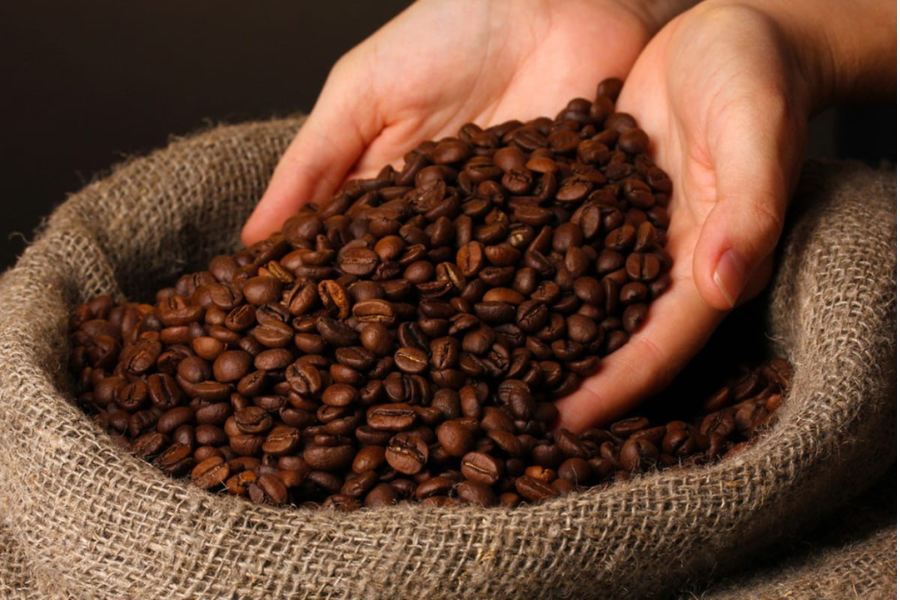
Whether you’re looking for specialty-grade Robusta that challenges conventional expectations or premium highland Arabica with exceptional cup quality, our shade-grown offerings represent the new generation of Vietnamese coffee—grown with care for both flavor and environment.
Making the choice for better coffee
Choosing shade-grown coffee means accepting a higher price for genuinely better coffee. But it’s not just about the taste—though that alone makes it worthwhile.
When you choose shade-grown coffee, you’re:
- Supporting sustainable farming that protects ecosystems
- Encouraging farmers to prioritize quality over quantity
- Drinking coffee with better flavor and lower acidity
- Contributing to carbon sequestration and biodiversity conservation
- Getting coffee worth savoring, cup after cup
For coffee roasters, cafés, and retailers, offering shade-grown Vietnamese coffee allows you to differentiate your products with a compelling story of quality and sustainability that resonates with increasingly conscious consumers.
For coffee lovers, switching to shade-grown coffee transforms your daily ritual from routine caffeine delivery to a genuinely enjoyable experience—coffee that makes you pause and appreciate the complexity in your cup.
The future of Vietnamese coffee
Vietnam’s coffee industry is at a turning point. The country has proven it can produce volume—now it’s proving it can produce exceptional quality. Shade-grown coffee represents the future of Vietnamese coffee: farmers moving away from pure commodity production toward specialty coffee that commands premium prices and builds long-term sustainability.
This shift benefits everyone: farmers earn better incomes, the environment is protected, and coffee drinkers around the world discover that Vietnamese coffee—both Robusta and Arabica—can be truly exceptional when grown with care under the forest canopy.
The extra cost of shade-grown coffee isn’t a premium you’re paying for marketing or hype. It’s the fair price for coffee grown the right way—slowly, carefully, sustainably. It’s the price of coffee that’s worth drinking.
Hello 5 Coffee specializes in sourcing and exporting high-quality Vietnamese coffee, including shade-grown Robusta and Arabica from Vietnam’s finest growing regions.
Whether you need:
- Wholesale green beans for your roastery
- Roasted coffee for retail distribution
- Private label coffee with your branding
- Bulk supply for cafés and restaurants
We provide premium Vietnamese coffee that meets international quality standards and delivers the complex, satisfying flavors that shade-grown methods produce.
Contact us to discuss your specific needs:
- Email: info@hello5coffee.com
- Phone: (+84) 81 535 5505
- Website: hello5coffee.com
Let us help you discover why shade-grown Vietnamese coffee deserves a place in your portfolio—and in your customers’ cups.
