
For years, Robusta has been the coffee world’s most unfairly dismissed bean. Labeled “cheap,” “harsh,” and “bitter,” it was relegated to instant coffee jars while Arabica took all the glory. But that reputation was never really about the bean itself. It was about how carelessly the industry treated it.
The truth is this: specialty-grade Robusta, grown and processed with genuine care, delivers a cup experience that rivals any Arabica on the market. And right now, the world’s finest Robusta is coming from Vietnam.
The bad reputation was earned by bad practices, not bad genetics
Most people’s negative experience with Robusta traces back to the same source: mass-commodity production. For decades, Robusta was grown on low-altitude flatlands, strip-harvested indiscriminately, and dried without care, purely to fill blends cheaply. The result was predictably unpleasant.
But the same thing happens to Arabica under those conditions. A poorly farmed, over-roasted Ethiopian Arabica tastes just as flat and harsh. The problem was never the species. It was the standards applied to it.
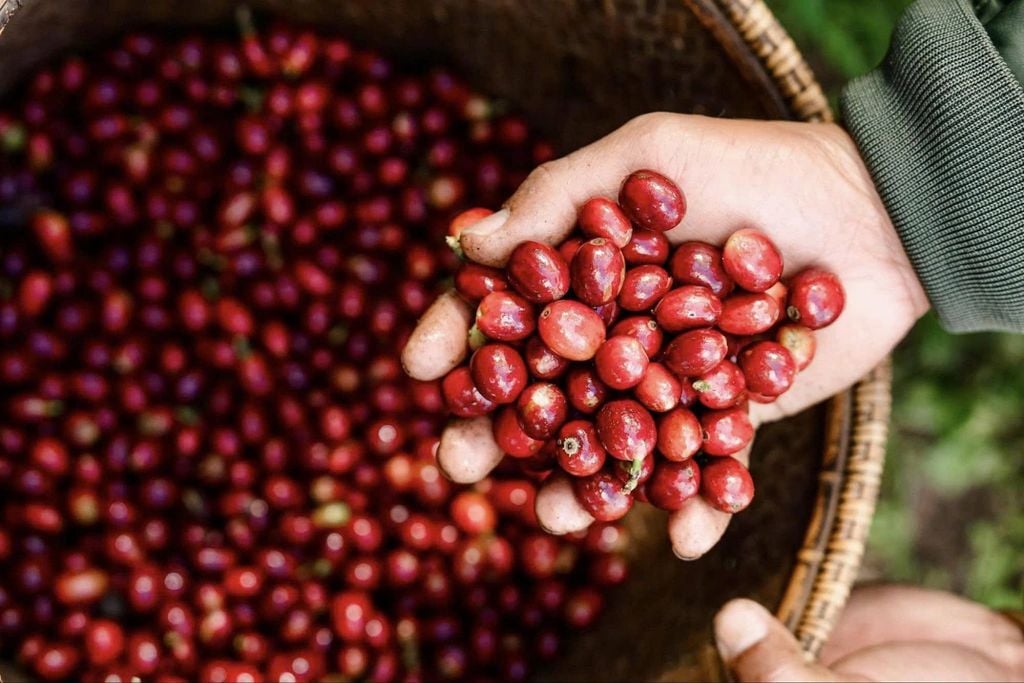
When Robusta receives the same rigorous attention as specialty Arabica, from selective hand-picking to precision processing, the flavor transformation is dramatic and well-documented.
What the science actually says about Robusta
Robusta is not a lesser bean. It is a chemically different one, with a distinct profile that, in quality lots, produces genuinely impressive results.
- Caffeine content: Robusta contains roughly 2.7% caffeine versus Arabica’s 1.5%. Higher caffeine contributes directly to body and perceived intensity in the cup, which is why Italian espresso masters have incorporated Robusta into their blends for generations.
- Crema production: Robusta produces significantly more crema than Arabica due to its higher content of coffee solids and emulsifying lipids. A 2011 study published in the journal Food Chemistry confirmed that Robusta-inclusive espresso blends produce thicker, more stable crema with better persistence. This is not a myth; it is measurable chemistry.
- Chlorogenic acids: Robusta contains nearly twice the chlorogenic acid content of Arabica (around 7–10% vs. 5–7% by dry weight). These antioxidant compounds contribute to both health benefits and the characteristic woody, chocolatey depth that defines well-processed Robusta.
- Flavor compounds: Research from the Nestlé Research Center identified over 800 volatile aroma compounds in roasted Robusta, many of which are absent entirely in Arabica. When properly roasted, these compounds express as dark chocolate, cedar, black pepper, and roasted nuts — a bold, grounding flavor architecture that Arabica cannot replicate.
Why Vietnam is the home of the world’s best Robusta
Vietnam produces approximately 1.8 million metric tons of coffee per year, making it the world’s second-largest coffee producer overall and by far the largest Robusta producer, supplying around 40% of the world’s total Robusta output (ICO, 2023). But volume alone is not the story here. What matters is where and how the best Vietnamese Robusta is grown.
The Central Highlands terroir is exceptional. Provinces like Dak Lak, Dak Nong, and Lam Dong sit at elevations of 400 to 900 meters above sea level. This is significantly higher than the lowland Robusta farms of West Africa and much of Southeast Asia. Higher altitude means cooler nights, slower cherry maturation, and more concentrated sugars in the bean — all of which translate directly into cup complexity.
The soil in this region is volcanic basalt, locally known as terra rossa. It is among the most mineral-rich agricultural soil types on earth, contributing a distinctive depth and terroir character to the coffee grown in it — the same reason this red soil is prized in other premium growing regions worldwide.
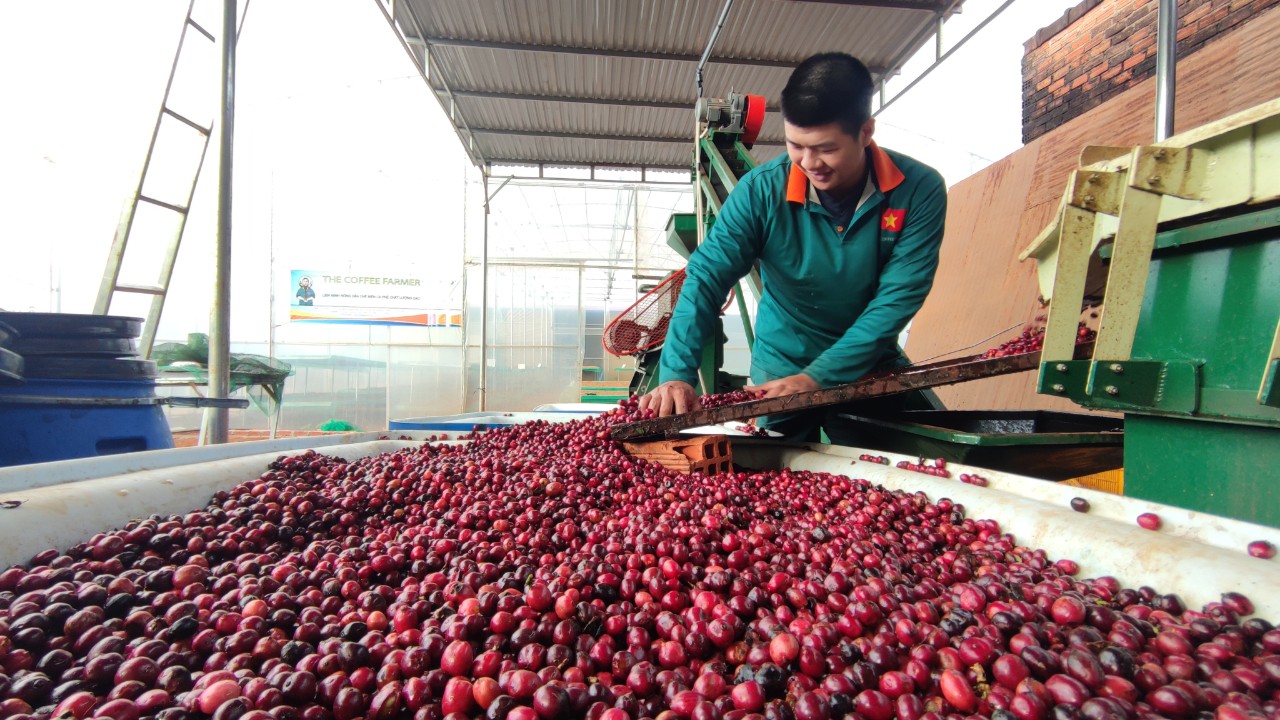
Selective harvesting makes a measurable difference. The best Vietnamese farms hand-pick only fully ripe red cherries, rejecting unripe and overripe fruit that contribute off-flavors. Studies on coffee cherry processing consistently show that selectively harvested lots score 5 to 8 points higher on the SCA 100-point cupping scale compared to strip-harvested lots from the same farm.
Modern processing is unlocking new dimensions. Washed, honey, and natural processing methods, previously applied almost exclusively to Arabica, are now being used on premium Vietnamese Robusta with remarkable results. Naturally processed lots from Dak Lak farms have been documented scoring above 80 points on the SCA scale, which is the formal threshold for specialty-grade classification.
Read more: What is Fine Robusta? Everything You Need to Know
A high-quality washed Vietnamese Robusta from a highland farm typically offers:
- Body that is heavy and velvety, significantly fuller than most Arabica
- Flavors of dark chocolate, roasted cacao, cedar, and black pepper
- A long, warming aftertaste with brown sugar sweetness
- In naturally processed lots: dark berry, dried plum, and molasses notes
Brewed through Vietnam’s traditional phin filter, the slow extraction concentrates these characteristics into a cup of remarkable depth and richness. This is not the bitter, rubbery Robusta of a cheap supermarket blend. It is something else entirely.
Read more: The 4 Best Fine Robusta Coffees in Vietnam
The specialty industry is already paying attention
The Specialty Coffee Association has been developing formal cupping protocols specifically for Robusta, acknowledging that the Arabica-only evaluation framework fails to assess Robusta’s genuine quality potential fairly. Several competitors at the World Barista Championship in recent years have incorporated high-quality Robusta into their routines, using it deliberately to showcase body and crema characteristics that Arabica cannot deliver.
Specialty roasters in Norway, South Korea, Japan, and Australia are now listing single-origin Vietnamese Robusta on their menus alongside their premium Arabica offerings — not as a novelty, but as a legitimate showcase coffee.
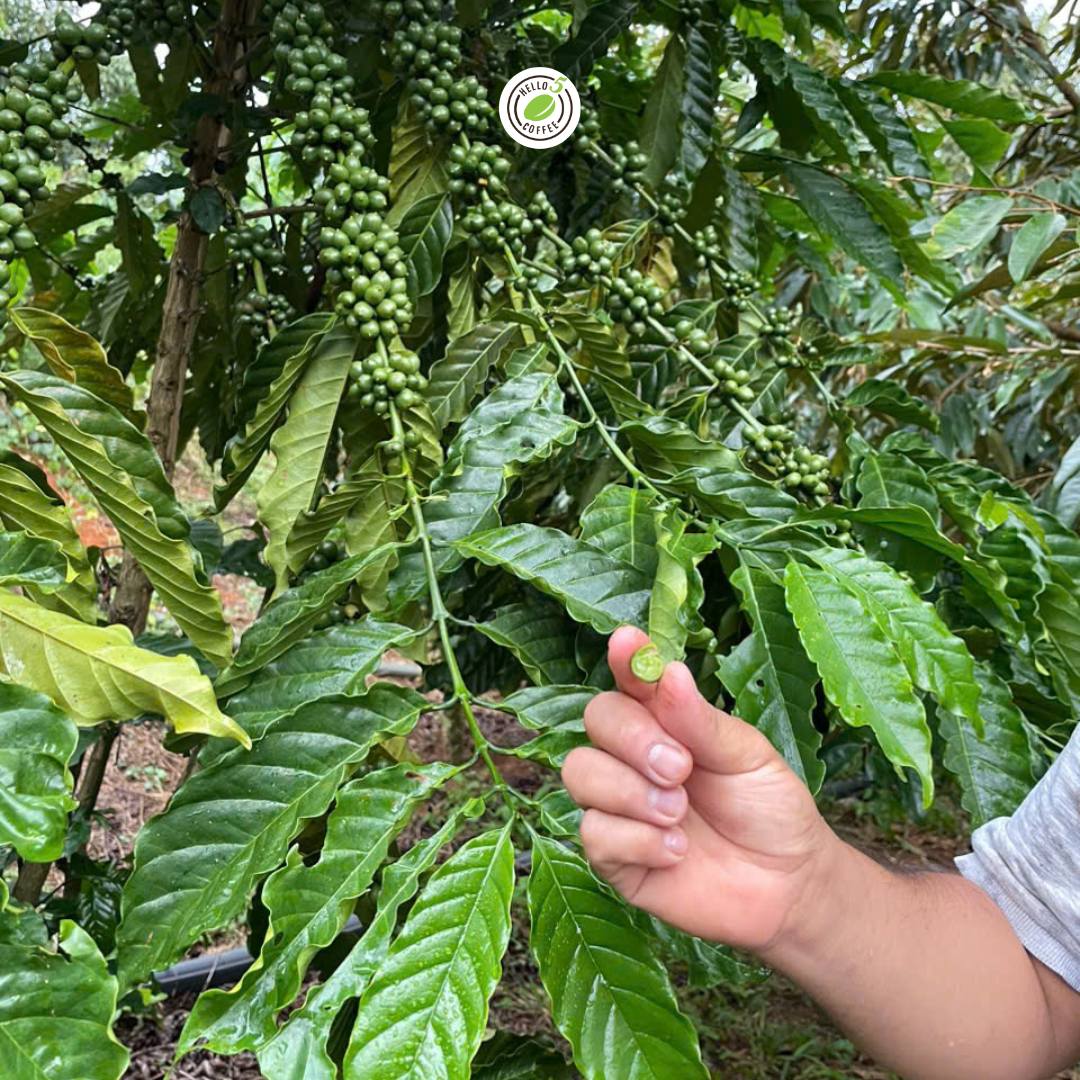
At Hello 5 Coffee, we work directly with carefully selected farms across Vietnam’s Central Highlands to source Robusta that meets genuine specialty standards. Every lot is selectively hand-harvested, precision-processed, and fully traceable from farm to shipment.
If you are a roaster, importer, or brand ready to explore what high-quality Vietnamese Robusta can offer your customers, we would love to start the conversation.
📩 Contact us to request green sample lots or discuss export partnerships.
