Ever heard of Kopi Luwak? It’s that super special, super expensive coffee that gets its unique flavor from a rather unusual process involving a cute little animal called the Asian palm civet. Imagine a coffee so smooth, so rich, and so low in acidity that it’s sought after by coffee lovers worldwide! But here’s the catch: because it’s so famous and pricey, there are a lot of fakes out there, and sadly, some unethical practices too.
Don’t worry, though! This guide is your friendly companion to navigating the fascinating world of Kopi Luwak. We’ll help you understand what makes real Kopi Luwak so special, how to spot the imposters, and even touch upon the unique civet coffee from Vietnam. By the end of this, you’ll be a Kopi Luwak detective, ready to enjoy an authentic and ethical cup!
The Amazing Journey of Real Kopi Luwak: Nature’s Little Secret
True Kopi Luwak isn’t just about the beans; it’s about a magical journey these beans take, all thanks to our furry friends, the civets.
1. The Civet’s Gourmet Selection: A Picky Eater’s Delight
Picture this: wild civets, with their super-sharp senses, carefully choosing only the absolute best, ripest, and sweetest coffee cherries. They’re like nature’s own coffee connoisseurs, picking out the cream of the crop! This natural selection is the very first step in creating that top-notch Kopi Luwak quality that humans would find hard to match [1].
2. The Inner Transformation: A Flavorful Fermentation
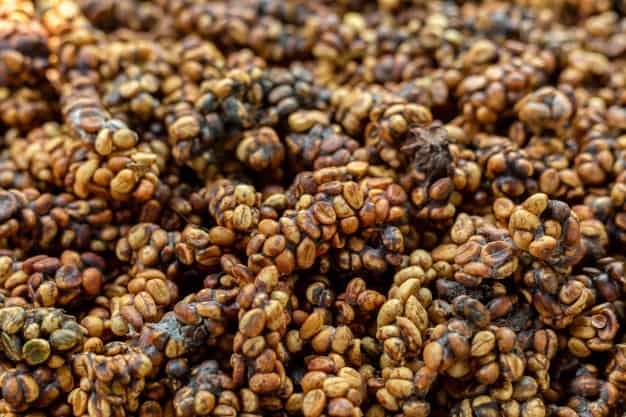
Once these delicious cherries are eaten, they go on a little adventure inside the civet’s tummy. The fruit pulp gets digested, but the coffee beans, snug in their protective layer, stay mostly intact. During this journey, special enzymes and friendly gut bacteria work their magic. They break down proteins, which is why Kopi Luwak is so much less bitter, and they change the sugars, giving it that super smooth, mellow taste and lower acidity [1]. This internal fermentation is the secret sauce behind Kopi Luwak’s distinctive and complex flavors [1].
3. From Forest Floor to Your Cup: Ethical Harvesting & Care
Traditionally, these special beans are gently collected from the forest floor after the civets have, well, processed them. They’re then thoroughly cleaned (don’t worry, no civet droppings make it to your cup!), sun-dried, and carefully roasted to bring out their amazing flavors and ensure they’re perfectly safe to drink [1]. The key here is ethical harvesting, which means respecting the civets and their natural habitat. This is super important and stands in stark contrast to any cruel caged farming methods [1].
Your Detective Kit: How to Spot the Real Deal
Ready to become a Kopi Luwak expert? Here’s what to look for to make sure you’re getting the genuine article:
1. The Taste & Smell Test: A Symphony of Flavors
- Smoothness is Key: Real Kopi Luwak is famous for being incredibly smooth and having very low acidity. If it tastes bitter or sharp, it’s probably not the real thing [1] [2]. That smoothness comes from those special enzymes doing their work!
- Complex & Rich Flavors: Get ready for a flavor adventure! Expect notes that are earthy, syrupy, and sweet, often with hints of chocolate. You might also pick up nutty, herbal, or toasty undertones [1]. It’s a truly unique experience.
- Aroma that Lingers: Authentic Kopi Luwak has a deep, intense aroma – think earthy sweetness with touches of chocolate and fruit [2]. If it smells weak or overly roasted (which can hide bad beans), be cautious [2].
2. The Look of the Beans: Quality You Can See
- Uniform & Pristine: Genuine Kopi Luwak beans are meticulously cleaned and processed. They should look consistent in size, shape, and overall appearance [2].
- No Excessive Oiliness: If the beans look broken, uneven, or super shiny and oily, it could be a sign of poor roasting or even fake beans [2]. Real Kopi Luwak should look premium and well-cared for [2].
3. The Price Tag: If It’s Too Cheap, It’s Probably a Trick!
Let’s be honest, real Kopi Luwak is rare and takes a lot of effort to produce. That’s why it’s significantly more expensive than regular specialty coffee. We’re talking hundreds of dollars per pound, and a single cup can even cost up to $80 in some places [1]. So, if you see a deal that seems unbelievably good, it’s a huge red flag. Chances are, it’s not the real deal [2].
4. Transparency & Certifications: Know Your Source
Reputable sellers of authentic Kopi Luwak are proud of their product and will happily share all the details. Look for clear certifications and information about where the coffee comes from, the farm, the region, and how it’s ethically collected [2]. If a seller is vague or can’t provide these details, it’s a big warning sign of a potentially fake or unethically sourced product [2]. Always look for certifications that confirm the coffee is wild-sourced and cruelty-free.
Read more: Is Weasel Coffee Good for Your Health?
A Special Mention: Vietnamese Weasel Coffee (Cà Phê Chồn)
Vietnam also has its own version of civet coffee, lovingly called Cà Phê Chồn. While it shares the same unique civet processing, there are a few interesting differences:
- Bean Varieties: Vietnamese civet coffee can be made from both Arabica and Robusta beans. You’ll often find Robusta beans used in Vietnam [3].
- Enzyme-Enhanced Coffees: Because of the high demand and concerns about civet welfare, some Vietnamese producers offer enzyme-enhanced coffees (sometimes known as “Legendee”). These are designed to taste similar but aren’t actually processed by civets. It’s important to know the difference [3].
- Ethical Sourcing is Key: Just like with Kopi Luwak from other countries, always choose sources that guarantee wild-sourced and cruelty-free practices. This helps ensure you’re not supporting any inhumane civet farming.
Red Flags to Watch Out For: Don’t Get Fooled!
To help you avoid disappointment and unethical products, keep an eye out for these common warning signs:
- Unbelievably Low Price: Again, if the price is too good to be true, it probably is [2].
- Too Bitter or Too Acidic: If your coffee lacks that signature Kopi Luwak smoothness, it’s likely a fake [2].
- Lack of Information: No details about the origin, processing, or certifications? Walk away [2].
- Poor Quality Beans: Broken, uneven, or overly oily beans are a sign of trouble [2].
- Shady Sellers: Always buy from trusted sellers with a good reputation and transparent practices [2].
Conclusion: Enjoy Your Authentic Kopi Luwak Journey!
Exploring the world of Kopi Luwak is an exciting adventure, but it pays to be smart about it. By understanding the natural process, knowing what to look for in genuine beans, and recognizing the red flags, you can confidently find and enjoy authentic Kopi Luwak. Remember, choosing ethically sourced coffee means you’re supporting sustainable practices and the well-being of these amazing civets.
At Hello5Coffee, we’re passionate about bringing you the finest Vietnamese coffee. While our specialty is premium roasted and processed Vietnamese coffee, we love sharing knowledge about the wider world of specialty coffee, including the fascinating story of Kopi Luwak. Happy brewing!
References
[1] KopiLuwak.coffee. (n.d.). Real vs Fake Luwak Coffee: How to Identify Real Kopi Luwak?. Retrieved from https://kopiluwak.coffee/blog/real-vs-fake-luwak-coffee/
[2] Kopiluwak.ae. (n.d.). How to Spot Fake Kopi Luwak: 6 Signs to Watch For. Retrieved from https://kopiluwak.ae/blog/article/how-to-spot-fake-kopi-luwak-6-signs-to-watch-for
[3] Gevi. (n.d.). Weasel Coffee (Civet) Explained: Vietnam’s Brew. Retrieved from https://gevi.com/blogs/coffee-knowledge/weasel-coffee-vietnam-explained
