
If you’ve ever thought about opening a coffee shop, or simply been curious about the industry, there’s a good chance you’ve asked yourself: “When you sell a cup of coffee, how much do you actually make?”
It sounds simple on the surface—buy coffee beans cheap, brew them up, and sell at a higher price. But in reality, things aren’t quite that easy. The profit from a single cup of coffee depends on many factors, and each country presents a completely different equation.
In this article, I’ll share the clearest way I can for you to picture it all: from costs and selling prices to the amount of money you can actually keep after every cup of coffee sold.
What Does a Cup of Coffee Actually Cost You?
To understand profit, you first need to clearly understand the cost structure. A cup of coffee sold typically involves 4 main cost categories.
- Cost of goods sold (COGS): This includes coffee, milk, sugar, water, cups, lids, and so on. This is the most direct and easiest cost to calculate. In the F&B industry, this typically accounts for around 20–35% of the selling price.
- Operating costs: This includes rent, utilities, machinery, and equipment depreciation. In major cities like London or New York, this is a very significant expense.
- Labor costs: Salaries for baristas, managers, and serving staff. In developed countries, labor costs can make up a very large share of total expenses.
- Marketing and other operating costs: Advertising, food delivery platforms, management costs, taxes.
After deducting all of these, what remains is the actual profit.
So How Much Does Each Cup of Coffee Actually Make?
According to F&B industry data (from reports such as IBISWorld and Statista), the net profit margin of a coffee shop typically falls in the range of 20–30% of the selling price, assuming the shop is operating stably.
But to make it easier to visualize, let’s look at a few examples across different countries.
In the United States, how much does a cup of coffee earn?
In the US, particularly in major cities, a latte typically costs around $4.50 – $6.00. Suppose you sell a cup for $5.00. After deducting ingredients, rent, staff wages, and other costs, the amount you actually keep could come to around $1.00 – $1.50 per cup. That might not sound like much, but if you’re selling a few hundred cups a day, that number looks very different.

Read more: Is Opening a Coffee Shop Profitable?
What about the UK?
In the UK, especially London, coffee prices are usually around £3.00 – £4.50. For a cup priced at £3.50, the actual profit typically falls around £0.80 – £1.00. Rent and labor costs in the UK are quite high, so even though the selling price isn’t low, the profit still has to be split across many expenses.

In Germany
Germany is Europe’s largest coffee market by total volume, with filter coffee still dominant, though espresso and capsule-based systems are rising in popularity. A cup of coffee in German cities typically costs around €3.00 – €4.50. After deducting costs — which are somewhat lower than in London or Scandinavia — profit per cup generally comes to around €0.80 – €1.20.
In Italy
Italy has a deeply ingrained coffee culture — a social gathering is hardly considered official if coffee isn’t involved, and there are around 400,000 coffee bars across the country. However, the Italian market is unique: an espresso at the bar is typically priced at just €1.00 – €1.50, kept intentionally affordable by long-standing cultural norms. After costs, the profit per cup is only around €0.20 – €0.40 — very thin. Italian café owners compensate by serving at extremely high speed with minimal seating overhead, turning over hundreds of customers per hour.
In South Korea
South Korea has one of the fastest-growing coffee markets in the world, with consumption growing rapidly over the past decade to around 3.7 kg per capita annually. The café culture there is booming, with both large chains and highly aesthetic independent boutique cafés competing for customers. A latte typically costs around KRW 5,000 – 7,000 (roughly $3.50 – $5.00 USD). After costs, profit per cup is generally around KRW 1,200 – 1,800. Many Korean café owners invest heavily in interior design and brand experience, treating ambience as a key part of the product.
In Japan
In Japan, coffee prices vary quite a bit, but commonly range from ¥400 – ¥600. A ¥500 cup, after costs, usually leaves around ¥100 – ¥150 in profit. Interestingly, the Japanese market places very high importance on quality and experience, so many shops accept a not-too-high profit margin in order to retain customers over the long term.

In Australia
A flat white in Australia costs around AUD $3.99 per cup, while lattes or cappuccinos at specialty cafés can go up to AUD $5.00 – $6.00. After deducting all costs, the actual profit per cup typically comes to around AUD $1.00 – $1.40. A popular café in a major Australian city can average between 1,000 and 2,200 cups per day, which means even a small improvement in margins can translate into very significant annual gains.
In Canada
Canadians are serious coffee drinkers — about 72% of Canadians aged 18 to 79 drink coffee daily. A standard latte in cities like Toronto or Vancouver typically costs around CAD $5.00 – $6.50. After all operating costs are deducted, shop owners generally retain around CAD $1.00 – $1.50 per cup. The market leans heavily toward familiar chains and drive-through formats, which helps keep volume high and per-unit costs relatively controlled.
In Finland
Finland tops the global per-capita coffee consumption list, with the average Finn consuming about 12 kg of coffee per year — roughly four cups per person per day. A cup of coffee there typically costs around €3.00 – €4.50. However, Finnish café culture leans strongly toward simple filter coffee rather than elaborate specialty drinks, which keeps ingredient costs low. Profit per cup generally falls around €0.70 – €1.00, but the sheer frequency of consumption means consistent, reliable revenue.
In Brazil
Brazil is the world’s largest coffee producer, and its domestic consumption is also on the rise, with annual per-capita consumption of about 5.5 kg. The traditional drink of choice is cafezinho — a small, strong, and often sweetened cup — sold at very modest prices, often around BRL 5 – 10 (roughly $1.00 – $2.00 USD). Profit margins per cup are thin in absolute terms, around BRL 1.50 – 3.00, but low ingredient costs (given local bean sourcing) help offset this. Specialty and third-wave coffee shops targeting urban middle-class consumers are now pushing prices — and margins — significantly higher.
In Vietnam
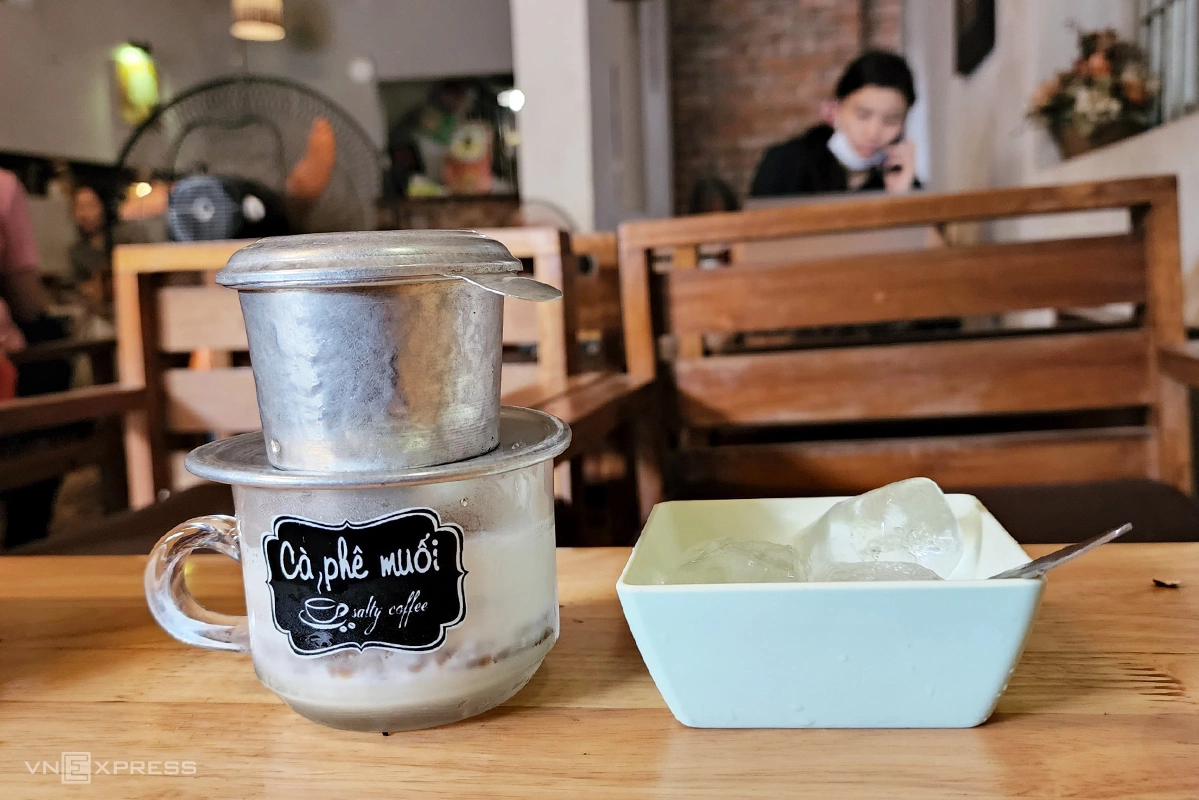
In Vietnam, things are a bit more “comfortable” in terms of costs, but selling prices are also lower. A cup of coffee priced at around 40,000 VND, after all costs are deducted, typically leaves around 8,000 – 12,000 VND in profit. The percentage may be comparable to other countries, but the absolute amount is smaller.
Read more: 7 Critical Mistakes When Starting a Coffee Business
Why Is the Profit Per Cup Not High, Yet So Many People Still Open Coffee Shops?
This is what makes the coffee industry interesting. Even though the profit per cup isn’t that large, coffee has one advantage that few other industries have — customers come back very frequently.
A person can drink coffee every single day. If you can retain your customers, your revenue will be steady and consistent.
On top of that, the actual ingredient cost of coffee is quite low relative to the selling price. This creates a sufficient “margin” for you to manage and optimize profit if you run things well.
What Determines Whether You Make a Lot or a Little?
When all is said and done, there are 3 most important factors:
- First, your location. Choosing the wrong spot or paying too much in rent can leave you with almost no profit at all.
- Second, your ingredient sourcing. If you can buy coffee at a good price and with consistent quality, you’ll have a significant cost advantage.
- Third, how you operate. A busy shop that is poorly managed can still end up losing money.
Conclusion
A cup of coffee is not the “gold mine” many people imagine. When everything is properly accounted for, the actual profit is typically only around 20–30% of the selling price, and it still depends heavily on how well you run the business.
That said, if done right, this remains an appealing industry to be in. Not because the profit per cup is high, but because of its stability and long-term growth potential.
And sometimes, all it takes is optimizing a few small factors—such as ingredient costs or brewing recipes—and the overall profit can already look very different.
