
No matter how coffee is processed, at some point, it will need to be dried. For wet-processed coffee, the drying process takes place after the coffee cherries have been washed and their mucilage removed. For honey-processed coffee, the drying process occurs when part or all of the mucilage remains on the coffee bean. And with natural dry processing, coffee is dried with both its fruit skin and mucilage intact.
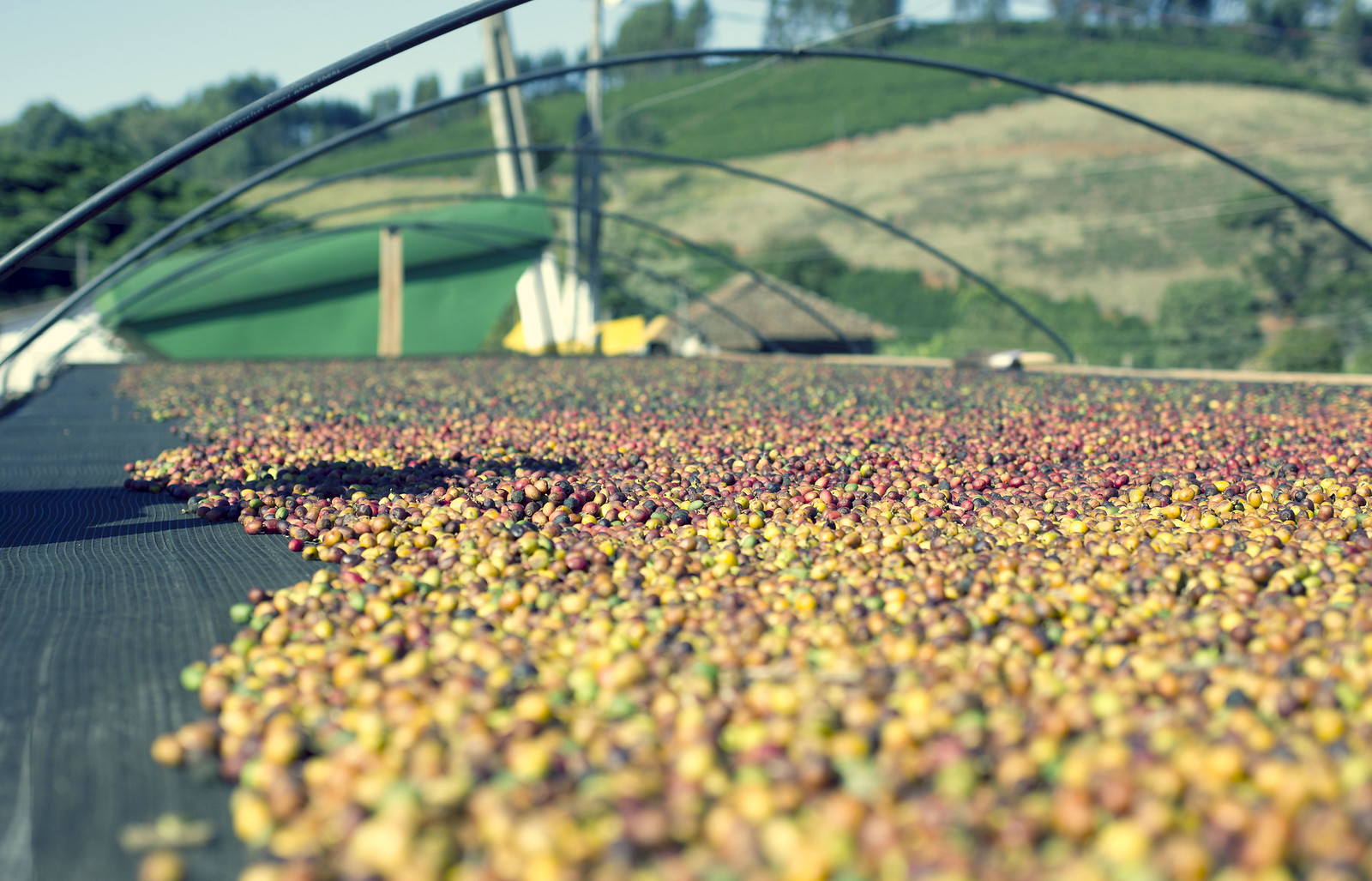
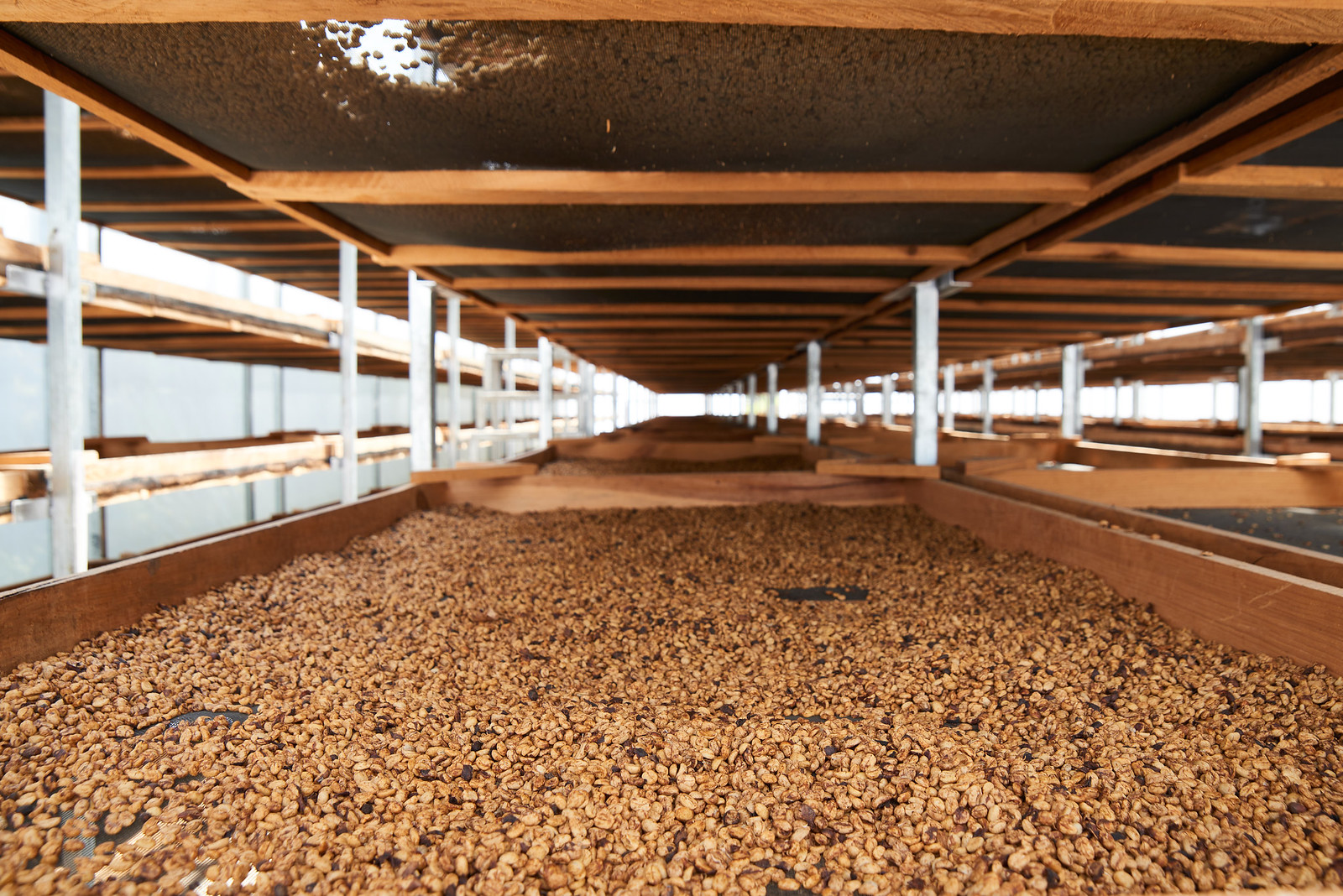
Coffee is dried in two main ways. The first is sun drying on raised beds or patios. The second is using specialized mechanical coffee dryers. By either method, the moisture content of coffee beans is reduced from approximately 60% to 10-12%.
Overview of the Coffee Drying Process
Coffee drying, or drying and dehydration, is a post-harvest process that generally aims to preserve coffee quality rather than improve it. All types of processed coffee, whether through wet, semi-wet, or natural methods, must be dried at some stage of processing. There are two main factors that contribute to drying coffee: temperature and airflow. Over time, temperature and air circulation will reduce the moisture inside the coffee beans.
Throughout the drying process, it is important to remember the temperature limits for each processing method:
- Parchment coffee beans (after wet or honey processing) should not be dried at temperatures higher than 40°C. Natural coffee with intact fruit skin should not be dried above 45°C.
- Coffee should be maintained at a stable temperature for a certain period during the drying stage. Moisture must also be monitored to prevent mold growth in the coffee beans. Moisture before drying will be from 40 to 50%, and should be reduced to 11 to 12%.
- When using mechanical dryers, coffee is generally first dried under sunlight to some extent. The dryer is then used to complete the process with higher precision.
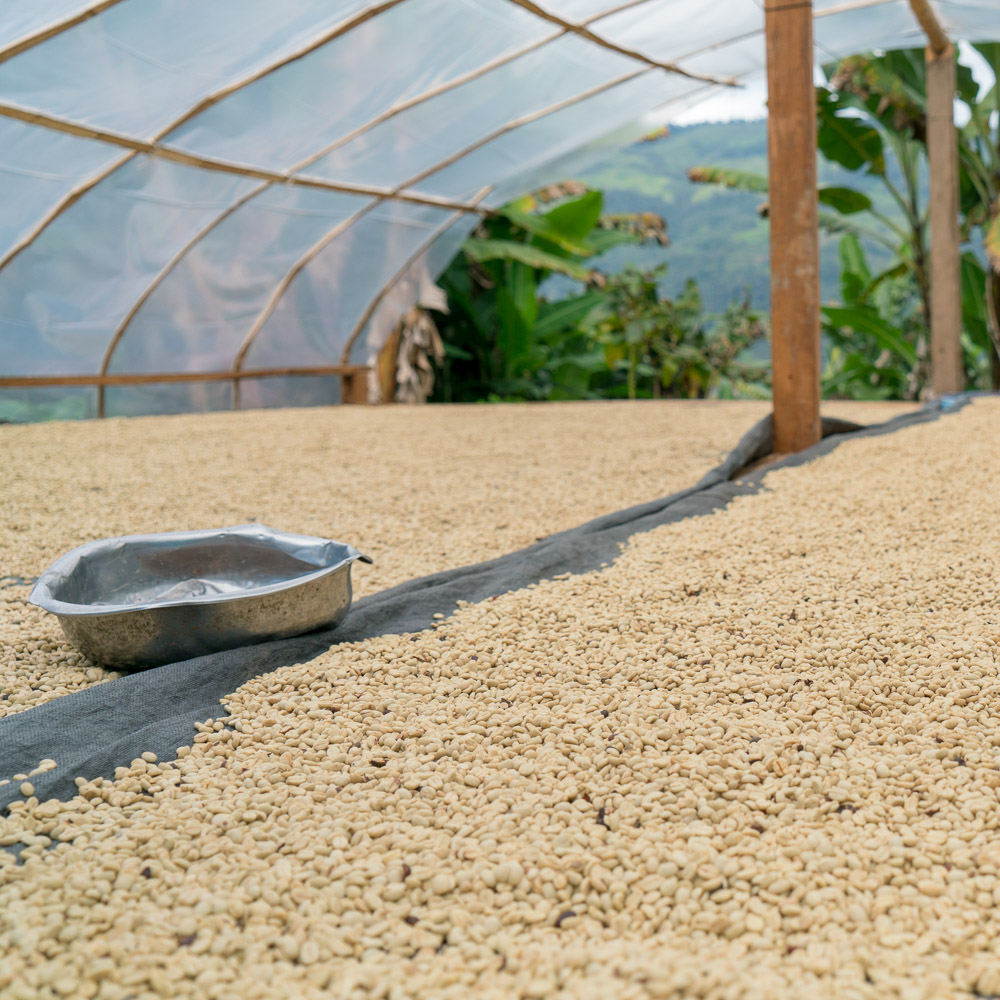
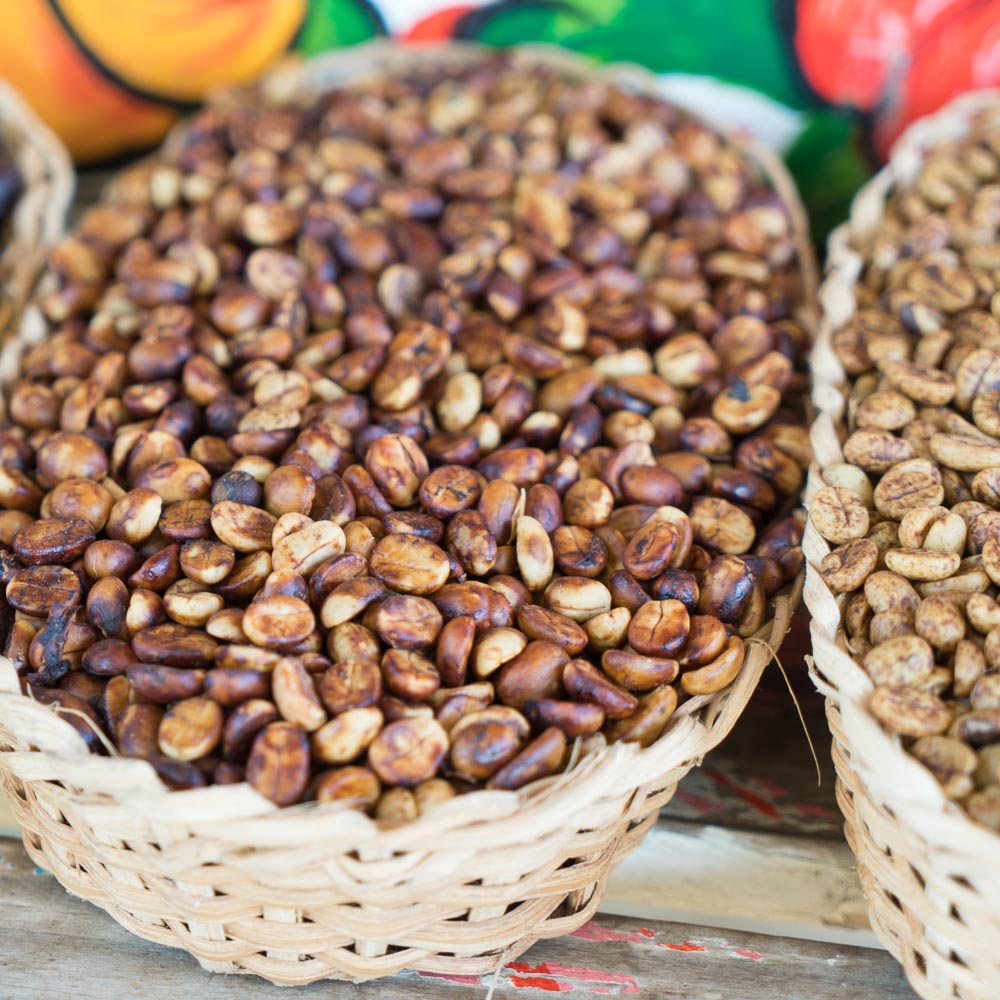
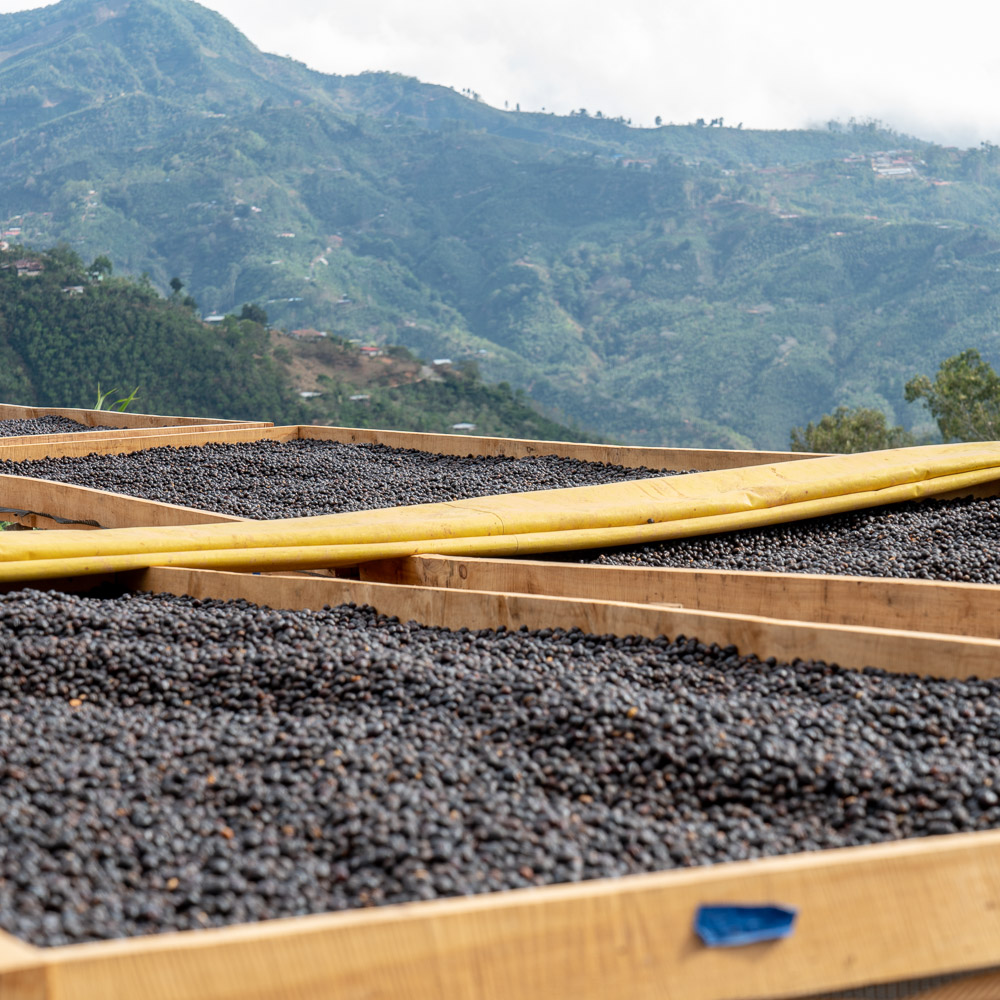
Drying Time by Processing Method
Coffee drying is also one of the longest processes in the post-harvest production stage, and therefore, it is a major bottleneck. Drying timelines vary depending on several factors, including weather conditions and processing method:
- Wet-processed coffee: takes approximately 6-7 days to dry
- Honey-processed coffee: requires 8-9 days to dry
- Natural-processed coffee: takes 10-14 days to dry whole coffee cherries
This is why coffee beans are typically dried on patios until they reach 15% moisture content and are then transferred to mechanical dryers.
Drying Stages
According to Coffee Research, in a study conducted in Kenya on the drying stages of Arabica coffee, six stages for drying coffee were described:
- Skin drying, moisture from approximately 55% to approximately 45%
- White Stage, moisture from approximately 44% to approximately 33%
- Soft Black stage, moisture from approximately 32% to approximately 22%
- Medium Black stage, moisture from approximately 21% to approximately 16%
- Hard Black stage, moisture from approximately 15% to approximately 12%
- Completely dry coffee with conditioned moisture remaining at 11-10%
Kamau I.N., the author of this research, shows that sun drying coffee to the third stage is mandatory for coffee quality. He also concluded that as long as the ambient temperature is between 40-50°C, meaning the temperature at the center of the coffee bean is at 35°C, coffee quality will not be seriously affected in subsequent coffee drying stages.
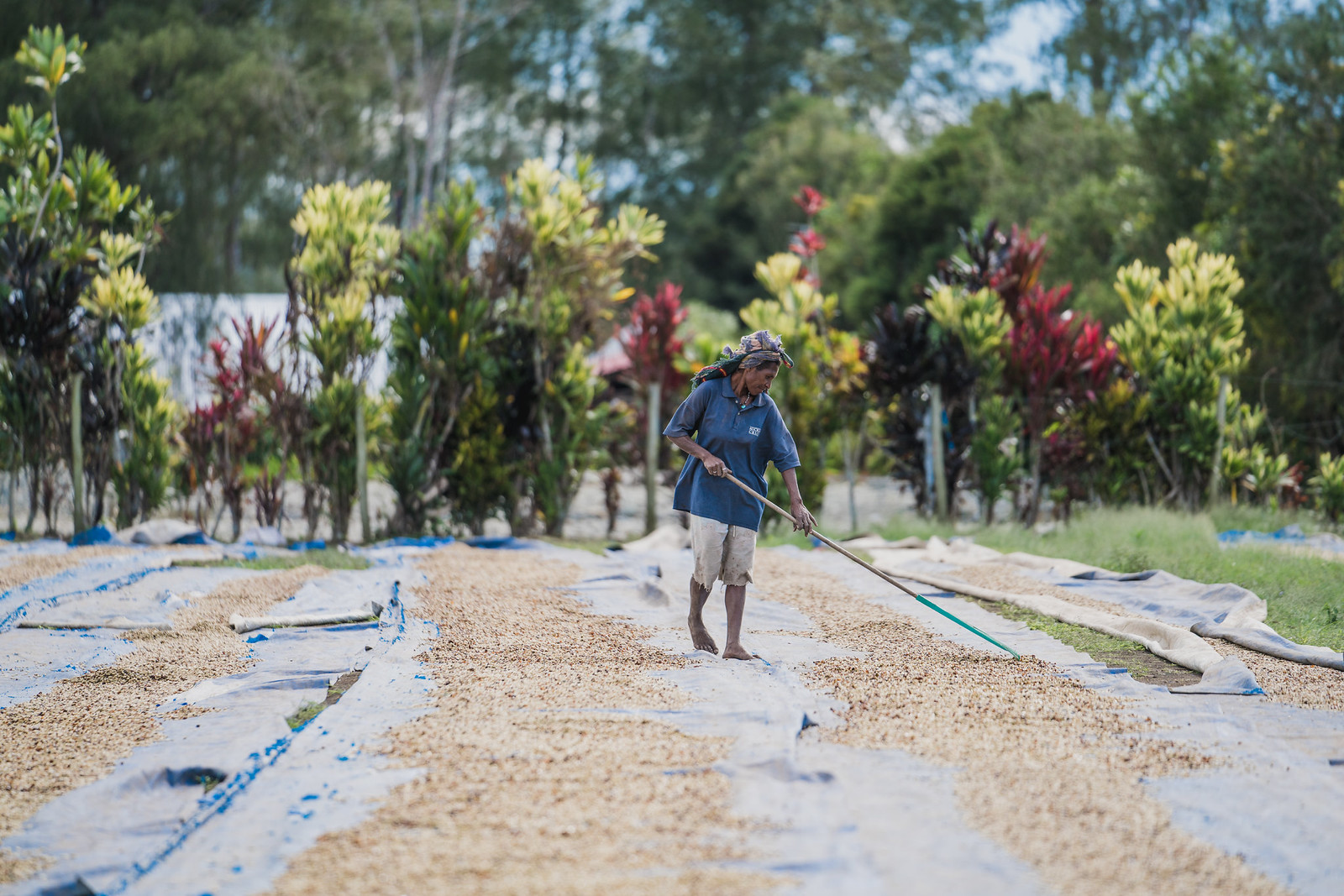
Sun drying was once considered better for high-quality coffee according to ICO. Although temperature and airflow are the two main factors ensuring the coffee drying process, the key focus should be on how moisture can escape from the coffee beans. If you dry in a humid environment where moisture vapor cannot escape, it will also not lose moisture. When coffee beans dry in the sun on a large scale, humidity is a significant concern. It can delay the drying process and lead to inconsistent moisture in a batch of coffee beans.
Sun Drying Coffee: What Are the Risks?
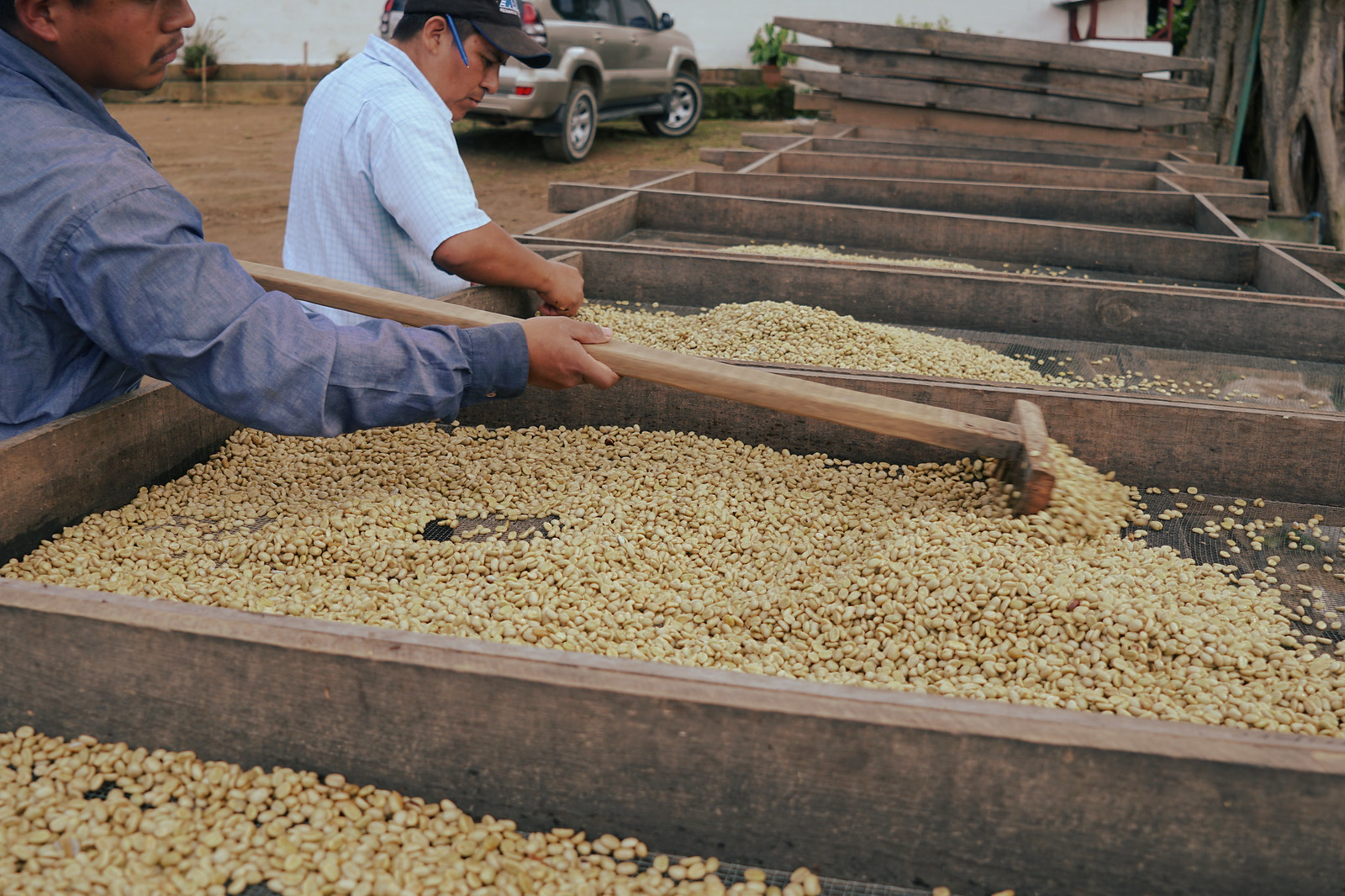
For sun-dried coffee, the surface used for drying is very important. The two most common drying methods are on raised beds and concrete patios. Raised beds have the advantage of allowing more air circulation around the coffee, helping coffee dry evenly. For producers who choose to dry coffee on patios, care must be taken to keep the drying patio clean. They must be level to ensure even drying.
Main Risks in Sun Drying
- Uncontrolled fermentation can occur when coffee is not dried quickly enough, as microorganisms break down compounds inside the coffee and create unwanted flavors.
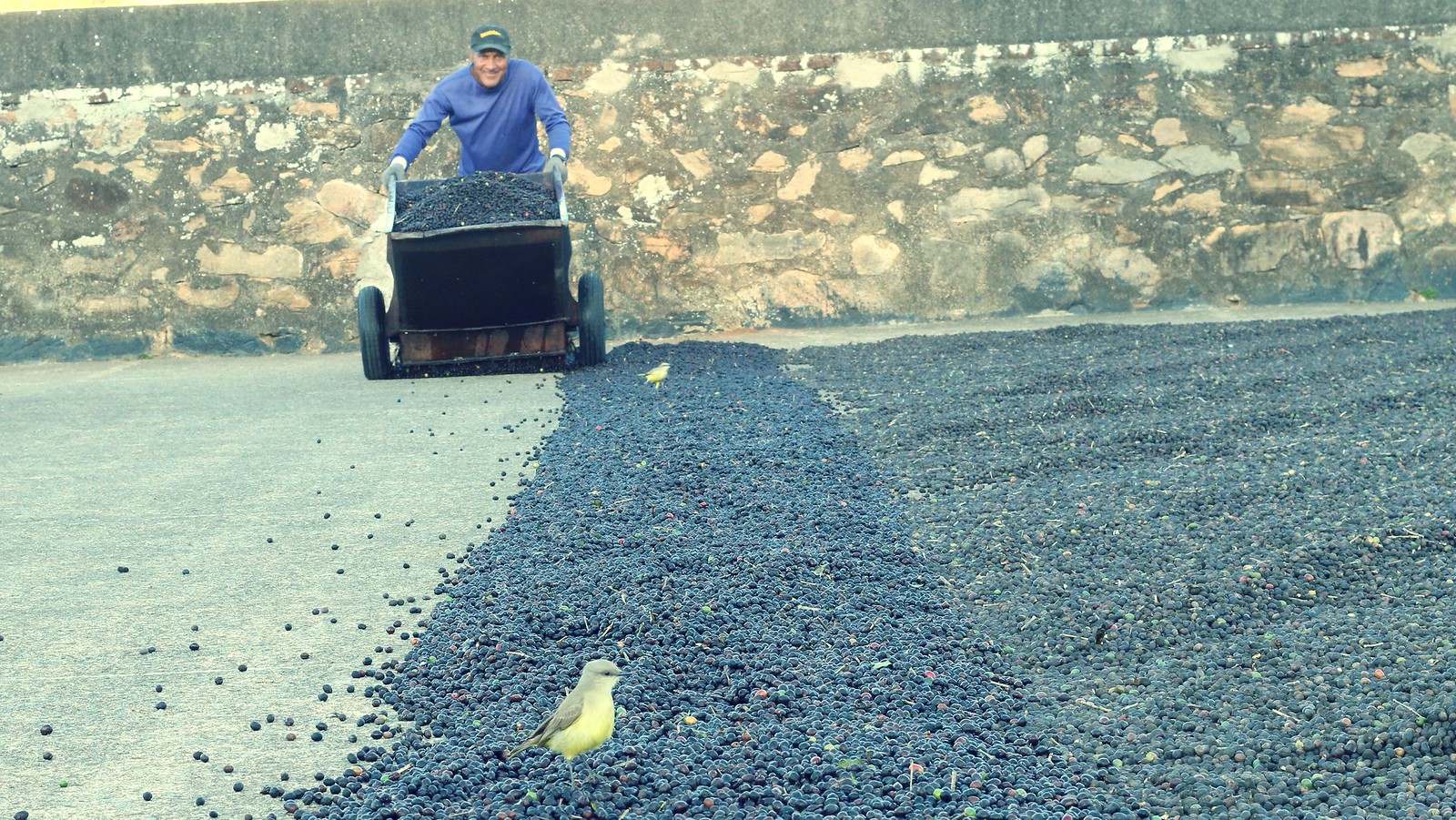
- Animal contamination includes larger wildlife causing damage to coffee beans and animal feces, such as bird droppings falling among drying coffee.
- Improper manual handling occurs when coffee is not turned regularly, leading to uneven temperature and airflow exposure.
- Weather fluctuations are a major challenge for producers when drying coffee outdoors. Moreover, when coffee is dried outdoors, it typically does not dry or re-moistens at night or in the early morning. Ultimately, sun drying is completely dependent on temperature and humidity stability. During heavy rain periods, producers face delays or risks to coffee quality. On the other hand, when temperatures rise, coffee risks overheating and reduced quality, especially if it is not raked and turned regularly.
Notes on Outdoor Drying of Wet-Processed Coffee
Depending on the local climate, coffee drying stages may need to differ. However, there are some recommendations for the wet-processed coffee drying process developed by Alejandro, founder of Caravela Coffee, for Central and South American regions that you can reference to better control your own process.
For outdoor coffee drying, bean layers should be spread very thin, no more than 3 cm, and constantly raked to ensure airflow circulates through the bean mass. If dried on raised beds, airflow will easily pass through the bean mass to reduce moisture evenly. In this way, if bean layers are spread thin, temperature is good, and there is circulating airflow, wet-processed coffee is slowly dried over 15 to 20 days in three stages:
Three Stages of Wet-Processed Coffee Drying
- Stage 1 (First 3-5 days): Wet-processed coffee must be dried 100% in the shade. During this time, moisture will decrease from 45% to 25%. This is the riskiest stage, when coffee is most likely to develop mold, and therefore it is done as quickly as possible. Wet-processed coffee will have moisture of approximately 45% when beginning the drying process. At this point, a maximum temperature of 20°C is best due to the fragile cell structure of coffee beans. Low temperature can limit cracking of the parchment layer, the natural covering of the coffee bean.
- Stage 2 (Next 10 days): When coffee dries, temperature can increase to a maximum of 35°C. However, higher than this can damage the coffee bean embryo and crack the parchment. Coffee should be shaded 40-60% with ventilated mesh. During this time, moisture should decrease from 25% to 13-14%.
- Stage 3 (Final 2 days): Although moisture of 10-12% is generally considered acceptable, however, sun drying duration should be extended for two more days to reach 10% moisture.
Limiting the Risk of Mold and Oxidation During Coffee Drying
One note for producers is not to mix different bean types during the drying process; different varieties will have different densities, and therefore they dry at different rates. It is important not to mix coffee bean lots being dried from different days. They not only differ in moisture levels, but some of that moisture can transfer from wetter beans to drier beans. In turn, this leads to high water activity and promotes oxidation.
Water Activity
You can determine mold risk through something called total water activity (aw), which is the amount of free water existing in food, not bound to food molecules. Note: total water activity is different from moisture content; aw is the energy of moisture rather than its presence. Water activity is measured on a scale from 0 to 1, but recommendations for coffee beans should be in the range of 0.5 to 0.6.
Oxidation Damage
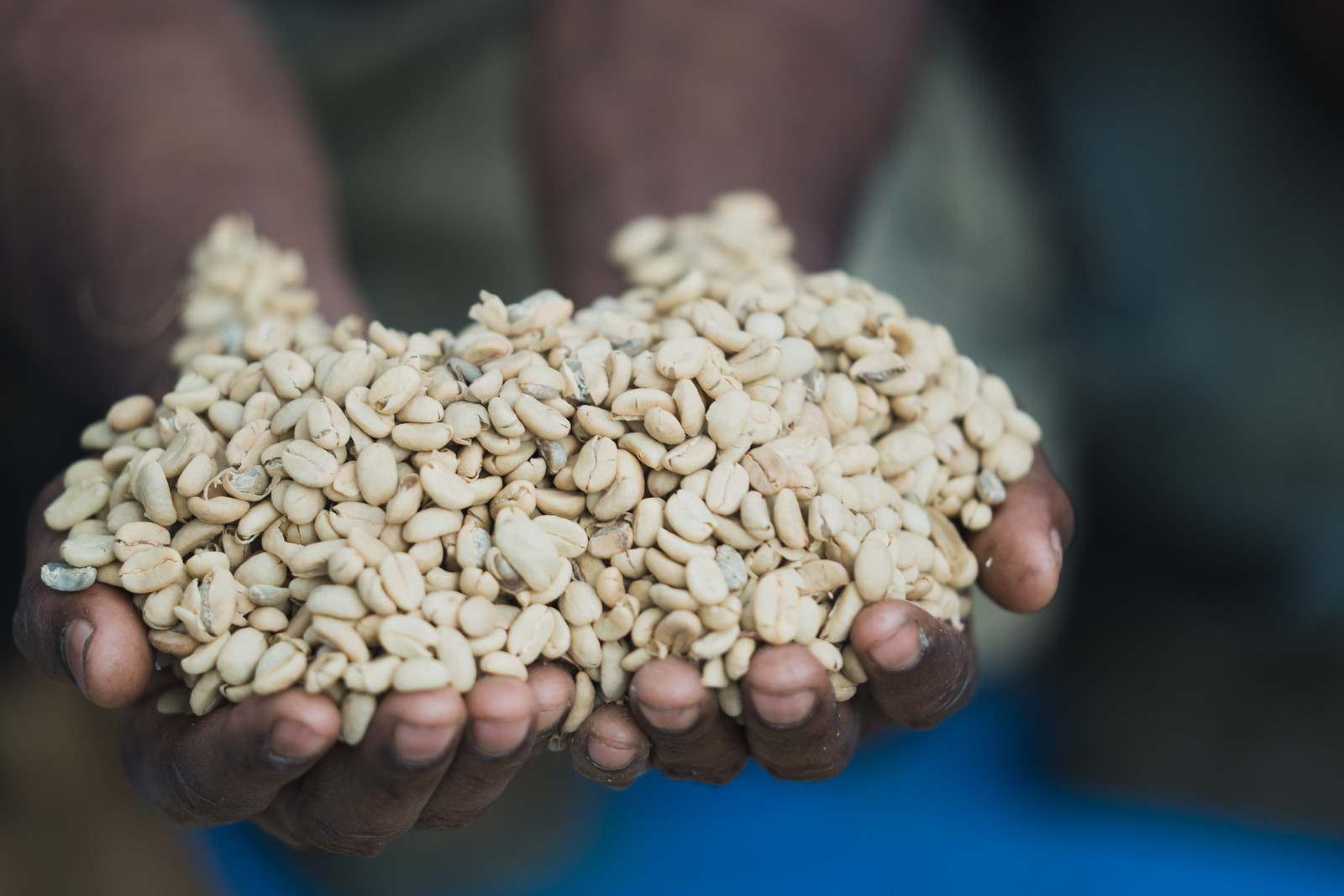
Oxidation occurring during coffee drying, mainly in the wet processing method, affects lipids or fat molecules, which are very important for coffee quality. Oxidized fats in green coffee beans produce aldehydes and ketones with unpleasant odors. However, not only coffee flavor and aroma are affected by the drying process, but also the coffee’s shelf life. Green coffee beans can last up to one year, but if the drying stage is handled improperly, coffee flavor will fade and age in just a few months, according to Alejandro Cadena.
Mechanical Dryer Drying: Overview
Mechanical dryers have been overlooked and undervalued due to their history associated with low-quality commodity coffee. However, advanced technologies available in modern dryers have brought new advantages to specialty coffee producers. Therefore, mechanical dryers are very useful for producers with limited space and can also improve overall farm productivity by saving more time, according to Iliana, Relationship Manager at Azahar Coffee.
The three main advantages that mechanical dryers have over sun drying coffee are eliminating uncontrollable environmental variables that can affect coffee quality, improving precision, and shortening the entire process time.
Drying Control Systems
One of the most important features of many modern rotating drum coffee dryers is the drying control system. These systems provide producers with the ability to manage temperature through three separate variables: heat source, air temperature, and coffee bean temperature. In this way, drying control systems give producers more control throughout the drying process. Some systems even allow producers to create drying curves that interrupt the dryer before it reaches the specified maximum temperature.
Costs and Benefits
Although mechanical dryers require investment in both equipment and fuel, these costs can be offset by the time and money producers save in labor. In the long term, mechanical dryers allow producers to maintain consistent coffee quality after harvest. As a result, they will continue to ensure relationships with loyal buyers seeking high-quality, consistent coffee.
According to Ribeiro from Pinhalense: “With mechanical drying, parameters such as time and temperature can be controlled. This control means there is more stability, more consistency in coffee quality with less risk during the drying process.”
Conclusion
Ultimately, although drying coffee on raised beds or patios can still be a suitable option for many coffee producers, mechanical dryers also offer several outstanding advantages. Technologies in drying control systems provide producers with higher precision and uniformity throughout the drying process. The consistency that mechanical dryers bring is also the most important issue for coffee quality in the third wave.
Specialty coffee production means never stopping the focus on quality. From planting to harvesting, and from processing to roasting and extraction, there are many factors that can affect the final cup quality of coffee. And the drying stage is no exception. A great coffee, if poorly dried, will see its score drop. But a coffee that is slowly and precisely dried under appropriate conditions will maximize the flavor potential it has.
References:
- perfectdailygrind.com – A Guide To Coffee Drying
- perfectdailygrind.com – How to Improve Quality When Drying Washed Coffees
- coffeeresearch.org – Coffee Drying
