
When most coffee lovers think of Vietnam, they picture robust, bold robusta beans – the country’s signature export that has made Vietnam the world’s second-largest coffee producer. But nestled in the misty highlands of Da Lat lies a secret that even many coffee enthusiasts don’t know about: Cau Dat, a small region producing some of the finest arabica coffee in Southeast Asia. This is the story of Vietnam’s most exceptional coffee, a legacy that began over a century ago and continues to captivate specialty coffee lovers around the world.
The birthplace of Vietnamese arabica
The story of Cau Dat coffee begins with a French doctor named Alexandre Yersin, who would become one of the most important figures in Vietnam’s agricultural history. In 1893, with a mandate from the Governor General of Indochina, Dr. Yersin organized an expedition from Bien Hoa through Dong Nai to Di Linh, where he made a remarkable discovery – the Lam Vien Plateau, a region of stunning natural beauty and ideal climate conditions.

Dr. Yersin began exploring the area in 1896, establishing a livestock farm and importing various industrial plant varieties to Vietnam. His vision extended beyond simple agriculture; he saw the potential for this highland region to become something special. By 1899, a resort for Europeans was established in the land Yersin had discovered, which later became the charming city of Da Lat, often called the “City of Eternal Spring.”
In 1915, Yersin discovered Hon Ba peak and built an experimental station at its summit, where he planted various plant species. This experimental nursery proved crucial – the French discovered that the soil at elevations corresponding to Hon Ba peak (around 1,650 meters above sea level) was perfect for tea and coffee cultivation. In 1927, Cau Dat Farm was officially established, with tea and coffee growing areas spanning over 600 hectares.
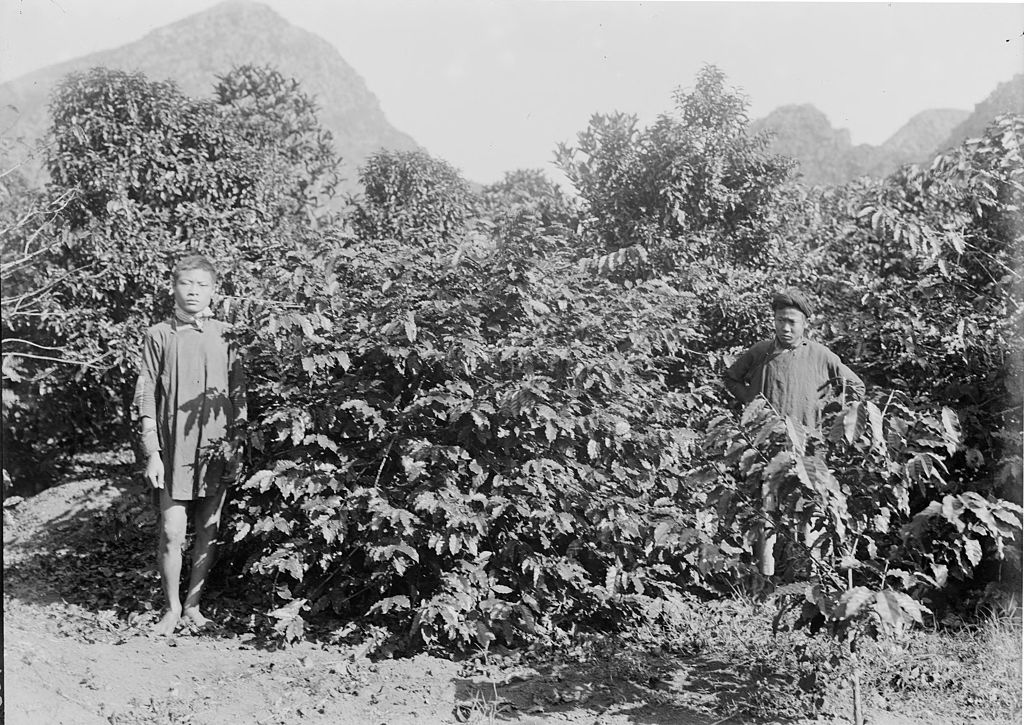
The introduction of arabica coffee came shortly after, in the 1930s. The French brought premium arabica varieties including bourbon, typica, and the prized moka (mocha) to plant in this highland paradise. These weren’t just any coffee plants – they were the world’s oldest and most prestigious coffee lineages, varieties that would normally struggle in Vietnam’s tropical climate but found a perfect home in Cau Dat’s unique microclimate.
A turbulent history and resilient revival
Like many agricultural enterprises in Vietnam, Cau Dat’s coffee industry faced significant challenges throughout the 20th century. By 1960, the intensifying Vietnam War forced the French to suspend their economic activities in Da Lat, and the Cau Dat coffee operations fell into the hands of Chinese merchants. Production declined significantly during this period of instability.
It wasn’t until 1975, when the country achieved peace, that the Cau Dat tea department came under the official management of Lam Dong province. Through equitization, it transformed into Cau Dat Tea Joint Stock Company – Da Lat. The post-war years saw extensive replanting efforts, with some areas being converted to oolong tea cultivation using Taiwanese techniques. In 2015, the operation was renamed Cau Dat Farm, marking a new chapter focused on both agricultural excellence and tourism development.
Throughout these changes, the people of Cau Dat maintained their commitment to preserving the historical legacy and coffee traditions introduced nearly a century ago. Despite modernization and innovation, the farm has carefully preserved its historical values as a century-old treasure of the region.
Why Cau Dat is arabica’s perfect home
What makes Cau Dat so exceptional for arabica coffee? The answer lies in a fortunate combination of geography, climate, and soil that creates what coffee experts call the “golden conditions” for premium arabica cultivation.
Altitude advantage
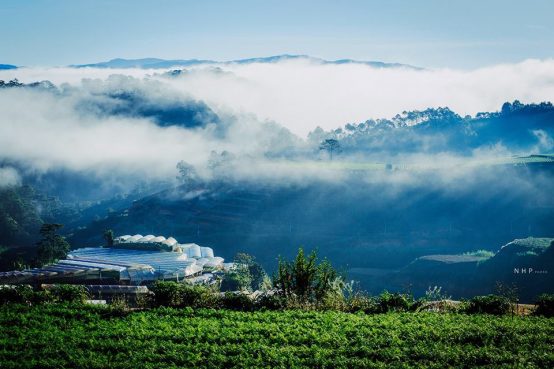
Cau Dat sits at an altitude ranging from 1,450 to 1,650 meters above sea level, placing it squarely in the sweet spot for arabica cultivation. This elevation is crucial because arabica plants thrive in cooler temperatures that slow down the ripening process of coffee cherries. When cherries ripen slowly, they have more time to develop complex sugars and flavor compounds, resulting in a more nuanced and sophisticated cup.
Interestingly, while Vietnam’s primary coffee region in Buon Ma Thuot in the Central Highlands is perfect for robusta, it sits at too low an elevation for high-quality arabica. Moka coffee, one of the premium varieties grown in Cau Dat, can only grow well at altitudes of 1,500 meters above sea level, which explains why Cau Dat maintains its unique position as Vietnam’s arabica capital.
Temperate climate
The temperature in Cau Dat fluctuates from as low as 5 degrees Celsius to a maximum of 33 degrees Celsius, creating a temperate microclimate unusual for Vietnam. The region enjoys a tropical climate with average temperatures from 15 to 24 degrees Celsius year-round, with particularly cool nights that stress the plants in beneficial ways, encouraging them to produce beans with greater density and more concentrated flavors.
The cool weather and frequent fog characteristic of Cau Dat create conditions remarkably similar to the renowned coffee regions of Colombia and Brazil – high praise for any coffee-growing area. The annual precipitation averages around 1,562mm, with high humidity levels around 80%, providing the consistent moisture that arabica plants require.
Volcanic soil
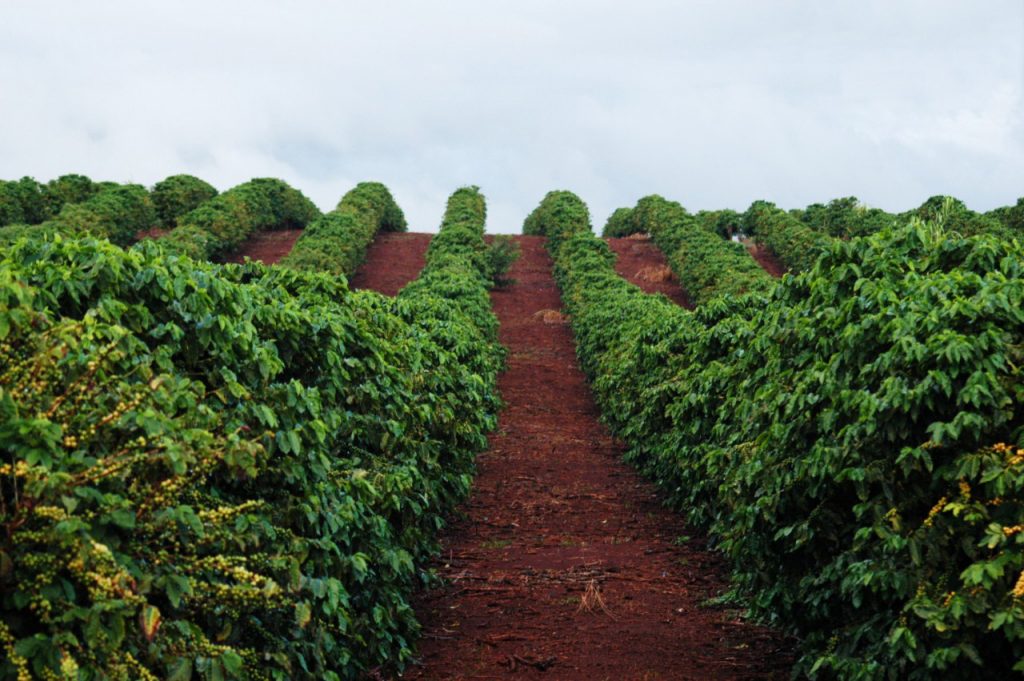
The region features fertile basalt soil, a volcanic soil type rich in minerals that coffee plants crave. This red basaltic soil, characteristic of the Central Highlands, provides excellent drainage while retaining enough moisture and nutrients to support healthy coffee trees. The combination of volcanic minerals and proper soil structure creates an ideal foundation for growing exceptional coffee.
The precious varieties of Cau Dat
Cau Dat is home to four main arabica varieties, each with its own character and challenges. Understanding these varieties helps appreciate why Cau Dat coffee is so special and why it commands premium prices in the specialty coffee market.
Moka (Mocha) – The queen of coffee
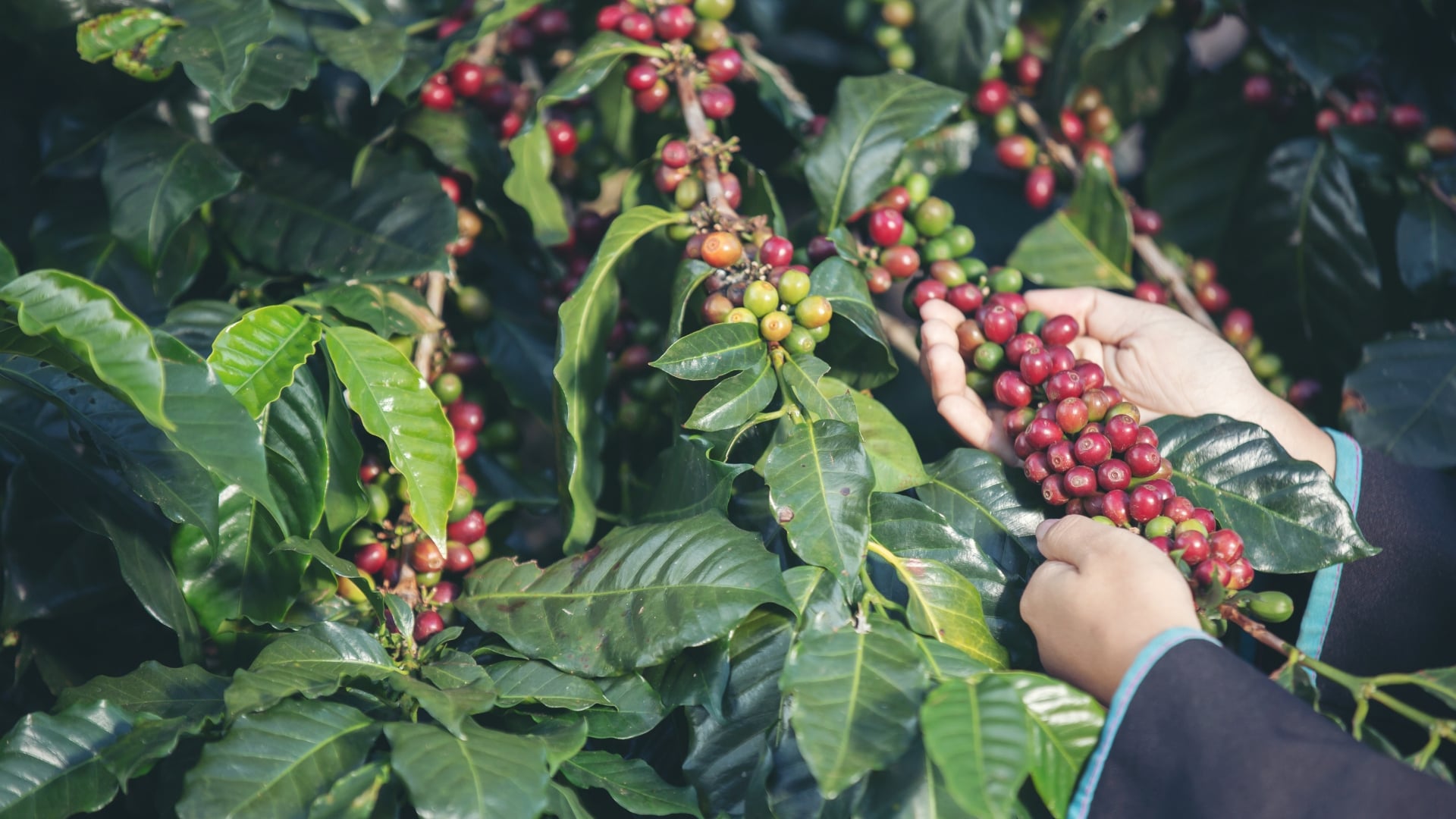
Moka has been planted in Cau Dat since the French colonial times of the 1930s, and it remains the most prized variety in the region. These arabica bourbon varieties were brought to Vietnam by the French in 1875 and were marketed under the brand name “Arabica du Tonkin,” known as an extremely tasty luxury that only the elite could enjoy.
Moka Cau Dat was considered the queen of coffee because of its attractive aroma, smooth, gentle and nostalgic flavor. The beans produce a cup with distinctive wine-like notes, a characteristic that immediately identifies authentic moka to experienced tasters. Once people enjoy the authentic flavor of moka, they will always remember it rather than any other coffee.
However, this queen comes with challenges. Moka trees are notoriously difficult to cultivate – they’re susceptible to diseases, produce relatively low yields, and require careful attention. The low productivity and immunity from diseases of moka has caused people to gradually reject this kind of coffee, making authentic moka increasingly rare and valuable.
Typica – The aristocrat
Production of typica in the Cau Dat district, including Tram Hanh and Xuan Truong, is approximately 2.5 to 3 tons each year. Before 1988, only typica and bourbon were cultivated in Cau Dat, and during this golden era, many coffee experts considered typica to be the queen of coffee.
Like moka, typica is one of the oldest coffee varieties in the world and produces exceptionally clean, sweet cups with bright acidity. However, it shares moka’s challenges – low disease resistance and modest yields. When coffee prices crashed in the early 2000s, many farmers replaced their typica trees with higher-yielding varieties, making pure typica from Cau Dat increasingly rare.
Bourbon – The balanced classic
Bourbon represents another heirloom variety that has thrived in Cau Dat’s conditions. Named after Reunion Island (formerly Île Bourbon) where it was cultivated by the French, bourbon produces slightly higher yields than typica while maintaining excellent cup quality. It’s known for producing complex, sweet coffees with good body and balanced acidity.
Catimor – The practical hybrid
Catimor coffee varieties are easier to cultivate with good resistance to pests and higher yields. Developed in Portugal in 1959 as a cross between caturra and timor hybrid, catimor was introduced to Vietnam from Cuba in the 1980s specifically to address the vulnerability issues of the heirloom varieties.
While catimor doesn’t match the complexity of moka or typica, it offers practical advantages that help sustain Cau Dat’s coffee industry. Many farmers now practice alternating between moka or typica and catimor, balancing quality with economic viability.
The distinctive flavor profile
What does Cau Dat arabica actually taste like? Cau Dat arabica has a slightly sour, slightly bitter flavor, with a gentle sweet aftertaste. This description, while simple, captures the balanced nature of Cau Dat coffee – none of the flavors overwhelm the others, creating a harmonious cup.

The aroma features notes of fruit syrup blended with honey and toast, with suggestions of a straw field at noon in summer. More specifically, high-quality Cau Dat arabica offers:
- Bright, clean acidity – The pleasant sourness that many Vietnamese coffee drinkers initially find surprising, as they’re accustomed to the bold bitterness of robusta
- Wine-like notes – Particularly prominent in moka varieties, adding sophistication and complexity
- Fruit and floral undertones – Ranging from citrus to stone fruits, depending on the variety and processing method
- Chocolate and nutty sweetness – Providing depth and balance to the brighter notes
- Clean, long finish – A hallmark of high-quality arabica that lingers pleasantly without bitterness
When properly prepared, Cau Dat arabica is visually porous and light in texture, featuring a dark brown color (not black) rather than the deep black of robusta blends. The coffee water takes on a light brown amber color, and the aroma is naturally fragrant without the overpowering intensity of chemically enhanced coffees.
Processing and preparation traditions
The way Cau Dat coffee is processed significantly impacts its final flavor. Most high-quality Cau Dat arabica undergoes wet processing (washed method), where the coffee cherry’s outer fruit is removed before fermentation and drying. This method produces cleaner, brighter flavors compared to dry processing, highlighting the inherent characteristics of the beans themselves.
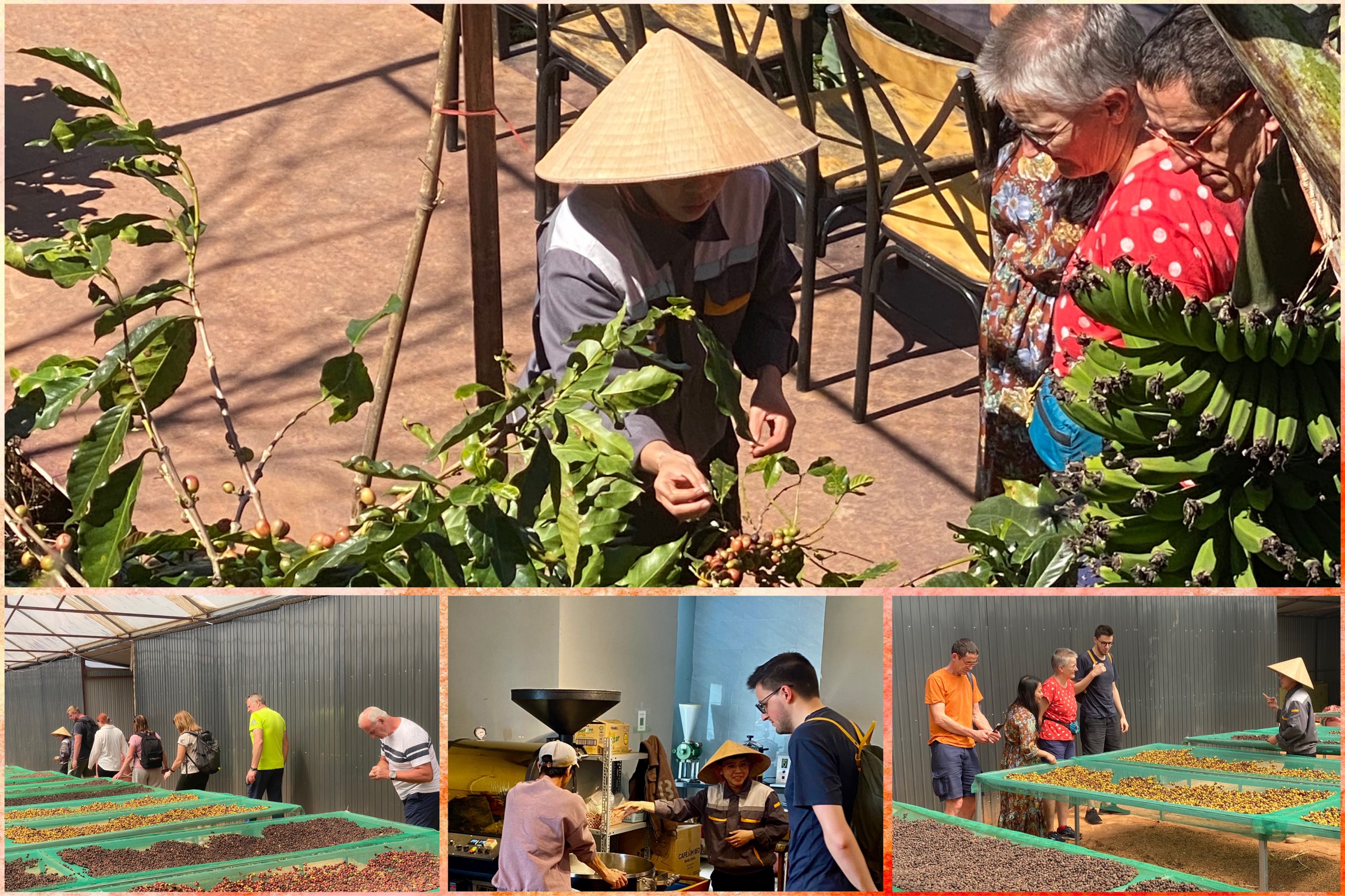
The Da Lat city government has set a mission to improve the percentage of wet-processed arabica coffee to 100%, recognizing that this processing method best showcases the quality of Cau Dat beans. The careful monitoring during fermentation and washing, often using Colombian Penagos machinery, ensures consistency and quality control.
For Vietnamese coffee drinkers accustomed to robusta’s bold, bitter punch, Cau Dat arabica requires a shift in perspective. Unfortunately, due to not having enough information and awareness about high-end coffee, most Vietnamese do not think coffee should taste sour, believing that coffee should only be bitter, not acidic. This cultural preference has sometimes limited the domestic appreciation of Cau Dat’s finest offerings, though this is gradually changing as specialty coffee culture grows in Vietnam.
The traditional phin filter method works beautifully with Cau Dat arabica, though the coffee behaves differently than robusta. The grounds float more readily, and the brew time may be slightly different. Arabica coffee is suitable for almost everyone as it contains less caffeine than robusta and won’t cause the same intensity or potential intoxication.
International recognition and Starbucks partnership
Cau Dat coffee’s quality hasn’t gone unnoticed by the international specialty coffee community. In 2016, Cau Dat – Da Lat arabica excellently passed the strict assessment of standard taste and safety by Starbucks CAFE Practices, becoming one of only seven types of coffee included in Starbucks’ global supply chain.
This achievement marked a significant milestone for Vietnamese arabica, demonstrating that Cau Dat could compete on the world stage. The Starbucks certification involves rigorous standards covering quality, social responsibility, environmental leadership, and economic transparency throughout the supply chain.
Beyond Starbucks, specialty coffee roasters worldwide have begun featuring Cau Dat coffees, with some establishing direct relationships with farming communities in the region. Programs like LIFT (Linking Industry, Farmers, and Traders) work with approximately 100 farmers in Da Lat, about 30 of whom are women-owned and managed operations, providing technical assistance and agronomic support to continually improve quality.
Challenges and the path forward
Despite its exceptional quality, Cau Dat coffee faces several challenges. The heirloom varieties that produce the best flavors are economically challenging for farmers. Low yields, susceptibility to diseases, and price volatility make it difficult to justify maintaining old moka or typica trees when catimor or robusta produces several times more coffee per hectare.
There is very little moka coffee left in Vietnam currently, contributing to the highest price levels compared to other coffees. Some farmers have given up on these difficult varieties entirely, leading to concerns about genetic erosion and the loss of Vietnam’s arabica heritage.
Climate change presents another significant threat. Even at Cau Dat’s elevation, rising temperatures could push conditions beyond the ideal range for arabica, potentially forcing cultivation to even higher elevations or threatening production entirely.
However, there’s reason for optimism. The government of Da Lat city has established five key missions focusing on developing the “Cau Dat Da Lat Coffee” trademark, including completing intensive farming models of high-quality arabica, strengthening promotion and training, building value product chains, and expanding consumer markets.
Local farmers and cooperatives are increasingly recognizing the value of preserving traditional varieties. Some farmers deliberately maintain blocks of moka and typica alongside more productive catimor, understanding that these heirloom varieties command premium prices in specialty markets. This approach balances economic necessity with heritage preservation.
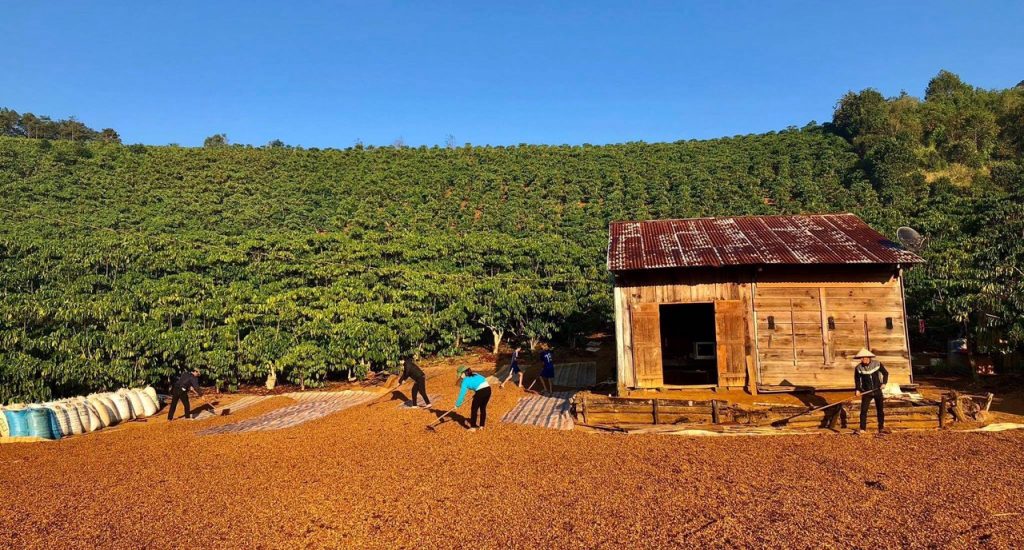
Tourism development at Cau Dat Farm has created an additional revenue stream while raising awareness about the region’s coffee heritage. Visitors can tour the historic tea factory – the oldest still operating in Southeast Asia – walk through coffee plantations, and taste fresh Cau Dat coffee while learning about its history.
Why Cau Dat matters
Cau Dat represents something important beyond just excellent coffee. It’s proof that Vietnamese agriculture can compete at the highest levels of specialty production, not just in volume commodity markets. It demonstrates that careful cultivation, optimal terroir, and traditional varieties can produce world-class arabica even in a country known primarily for robusta.
For coffee lovers, Cau Dat offers a unique taste experience – a Vietnamese arabica that carries the complexity and refinement of the world’s best coffees while bearing the distinct character of its highland home. The wine-like notes of moka, the clean sweetness of typica, and the balanced profile of Cau Dat arabica provide alternatives to the bold robusta that dominates Vietnamese coffee culture.
For Vietnam’s coffee industry, Cau Dat serves as an inspiration and blueprint. It shows that value-added, quality-focused production can provide sustainable livelihoods for farmers while preserving agricultural heritage. The partnerships with international buyers and the development of local specialty coffee culture suggest a path forward where Vietnam is recognized not just as a coffee giant, but as a source of exceptional coffees.
Experiencing Cau Dat coffee
If you’re interested in trying authentic Cau Dat coffee, several approaches are available. In Vietnam, visiting Cau Dat Farm itself offers the most immersive experience – you can see where the coffee grows, learn its history, and purchase directly from the source. Specialty coffee shops in Da Lat and Ho Chi Minh City increasingly feature Cau Dat arabica, often with specific varietal and processing information.
Internationally, some specialty roasters source Cau Dat coffee through direct trade relationships or importers specializing in Vietnamese arabica. Look for coffee labeled specifically as “Cau Dat,” “Da Lat arabica,” or listing the varieties (moka, typica, bourbon) with Vietnam as the origin.
When brewing Cau Dat arabica, lighter roast levels (light to medium) typically showcase the coffee’s inherent characteristics best. Whether using a Vietnamese phin, pour-over, French press, or espresso machine, the key is allowing the coffee’s natural complexity to shine through. Unlike robusta, which often benefits from darker roasting and bold preparation, Cau Dat arabica rewards gentler approaches that highlight its nuanced flavors.
Cau Dat coffee tells a remarkable story – of French agricultural innovation, Vietnamese perseverance through war and economic challenges, and the revival of an arabica tradition that nearly disappeared. It’s a story of specific geography creating exceptional terroir, of farmers choosing quality over quantity, and of a small highland region producing coffee that stands proudly alongside the world’s finest.
In a world where specialty coffee often means beans from Ethiopia, Colombia, or Costa Rica, Cau Dat reminds us that excellence can emerge from unexpected places. Vietnam’s arabica paradise, hidden in the misty highlands above Da Lat, continues to produce coffee that surprises and delights those fortunate enough to experience it.
Whether you’re a coffee professional seeking the next exceptional micro-lot, a curious traveler planning a visit to Vietnam, or simply a coffee lover wanting to expand your palate, Cau Dat coffee deserves attention. It represents not just a beverage, but a century of history, a unique ecosystem, and the dedication of farmers maintaining traditions against economic pressures.
Every cup of Cau Dat coffee carries within it the story of Dr. Yersin’s vision, the legacy of French coffee cultivation, the resilience of Vietnamese farmers, and the magic of a place where altitude, climate, and soil converge to create something truly special. This is Vietnam’s hidden arabica paradise – and it’s a treasure worth discovering.
