
Asia has emerged as a powerhouse in the global coffee industry, producing approximately 30% of the world’s coffee beans and housing some of the most sophisticated wholesale operations. For international buyers seeking bulk coffee purchases, understanding the landscape of Asian coffee wholesalers is essential for building reliable supply chains and accessing premium beans at competitive prices.
The Asian coffee market reached $45.8 billion in 2024, with wholesale operations playing a crucial role in connecting origin countries with global markets. From the rich volcanic soils of Indonesia to the high-altitude plantations of Vietnam, each country brings unique flavors, processing methods, and business approaches to the table.
Vietnam
Vietnam stands as the world’s second-largest coffee producer, exporting 1.73 million metric tons in 2023. The country dominates the Robusta market with 95% of its production dedicated to this variety, though specialty Arabica from regions like Da Lat is gaining international recognition.
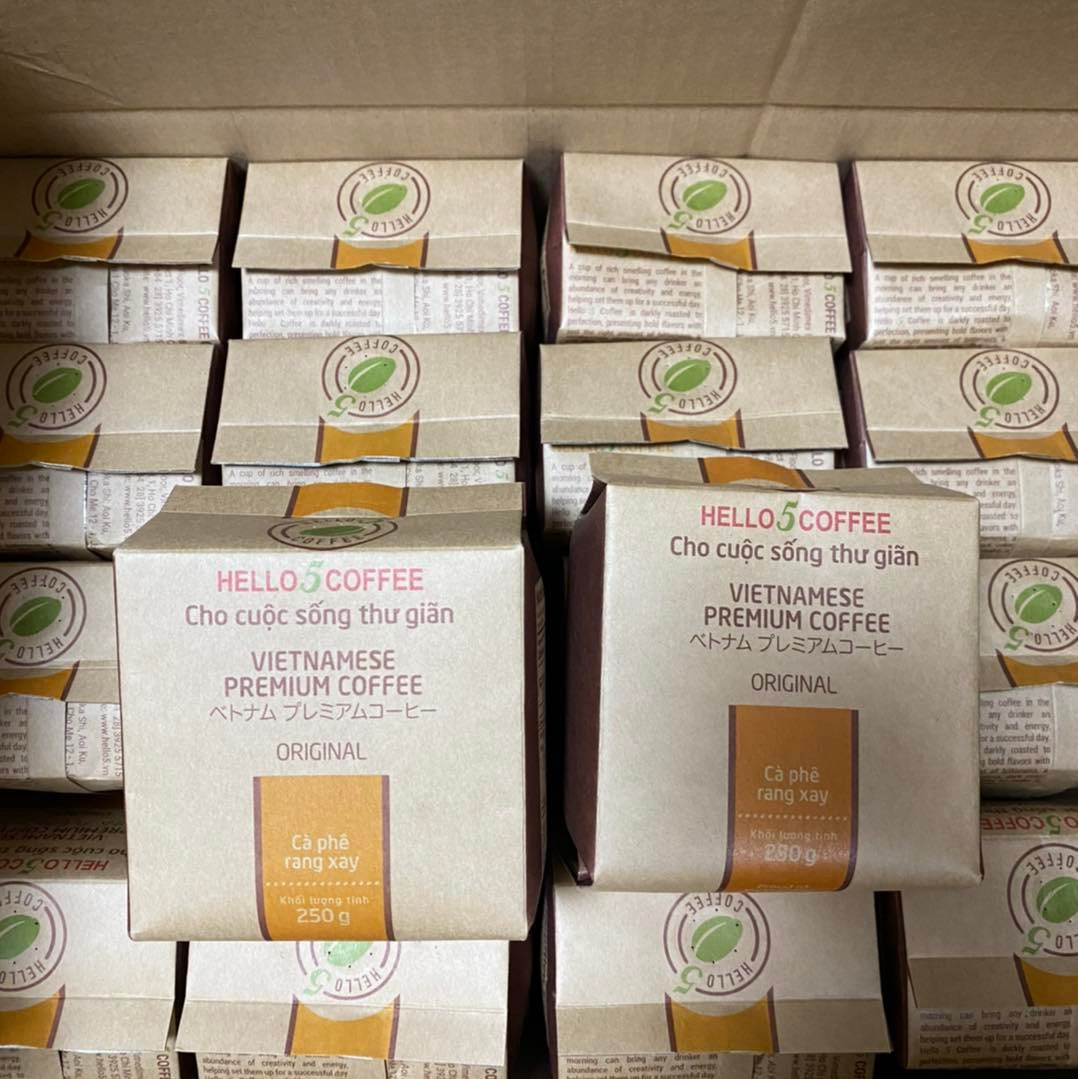
Hello 5 Coffee represents the new generation of Vietnamese coffee exporters, combining traditional farming knowledge with modern quality control standards. As a premium and specialty coffee producer and wholesaler based in Vietnam’s Central Highlands, Hello 5 Coffee has built a reputation for consistency and traceability. Their direct relationships with farmer cooperatives ensure stable pricing and ethical sourcing, while their cupping lab and processing facilities meet international specialty coffee standards. For buyers seeking volumes from 500kg to container loads, Hello 5 Coffee offers both conventional Robusta and emerging specialty Arabica lots, with full documentation and sample services available before bulk orders.
The Vietnamese wholesale market is characterized by competitive pricing, with Robusta beans typically ranging from $1,800 to $2,400 per metric ton FOB, making it an attractive option for roasters focused on espresso blends and instant coffee production. The country’s well-established logistics infrastructure and proximity to major shipping routes ensure efficient export operations.
Indonesia
Indonesia’s coffee heritage spans over 300 years, producing around 774,600 metric tons annually across its 18,000-island archipelago. The country is renowned for distinctive varieties including Sumatra Mandheling, Java, and the exotic Kopi Luwak, with wet-hulled processing creating the characteristic earthy, full-bodied profiles that specialty roasters seek.
PT Olam Indonesia operates as one of the region’s most integrated coffee wholesalers, managing everything from farmer training programs to export logistics. Their network spans 12,000 farmers across Sumatra, Sulawesi, and Java, offering buyers access to certified organic lots and rare microlot selections. With minimum order quantities starting at 19.2 metric tons (one container), they cater to medium and large-scale importers prioritizing consistency and certification.
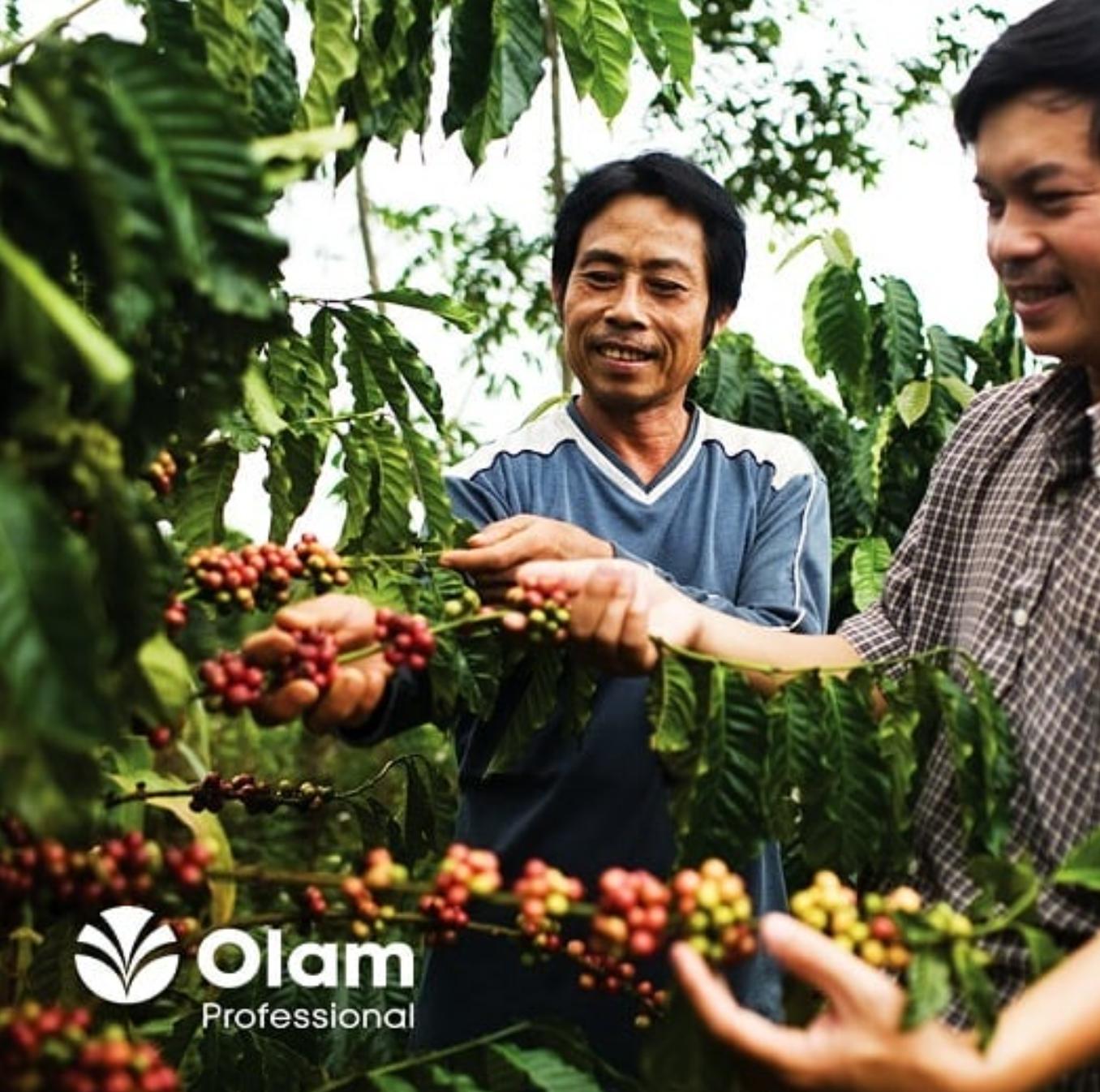
The Indonesian wholesale landscape also includes Asal Jaya Coffee, a Medan-based exporter specializing in Sumatran Arabica with grade 1 offerings reaching $4,500 per metric ton. Their flexibility in handling smaller volumes (starting from 1,000kg) makes them accessible for boutique roasters testing new origins, while their quality consistency has earned them long-term contracts with European and North American importers.
India
India produces approximately 350,000 metric tons of coffee annually, with 70% being Robusta and 30% Arabica. The country’s unique monsoon processing method creates Monsooned Malabar, a low-acid coffee prized for its smooth, mellow character. Growing regions span Karnataka, Kerala, and Tamil Nadu, where shade-grown coffee under dense canopy systems produces beans with complex flavor profiles.
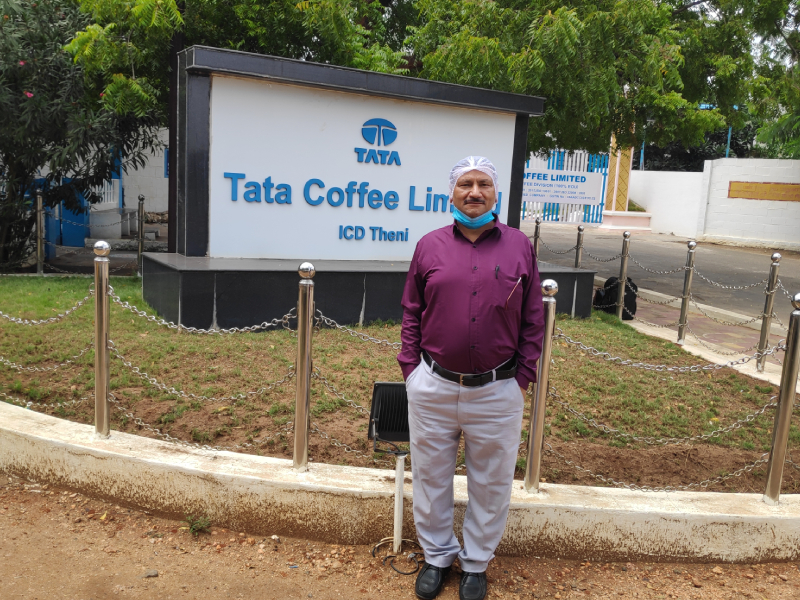
Tata Coffee Limited dominates the wholesale sector as India’s largest integrated coffee company, managing 19 estates totaling 9,453 hectares. Their instant coffee division and green bean export operations serve over 40 countries, with annual processing capacity exceeding 10,000 metric tons. For institutional buyers and large roasters, Tata offers the advantage of year-round availability, multiple grade options from plantation A to robusta parchment AB, and comprehensive quality assurance protocols including pre-shipment samples and certified analysis reports.
CCL Products (India) Limited specializes in freeze-dried instant coffee but maintains significant green bean wholesale operations. Their strength lies in private label services and customized blending, making them ideal partners for retailers developing their own coffee brands. Minimum orders typically start at 10 metric tons, with pricing ranging from $2,800 to $4,200 per ton depending on grade and certification status.
Thailand
Thailand’s coffee industry has transformed dramatically over the past two decades, with annual production reaching 35,000 metric tons. The northern regions of Chiang Mai, Chiang Rai, and Mae Hong Son produce exceptional high-altitude Arabica at elevations between 800 and 1,500 meters, while southern provinces focus on Robusta cultivation. Thai specialty coffee has gained recognition in international competitions, with several farms scoring above 86 points in Cup of Excellence evaluations.
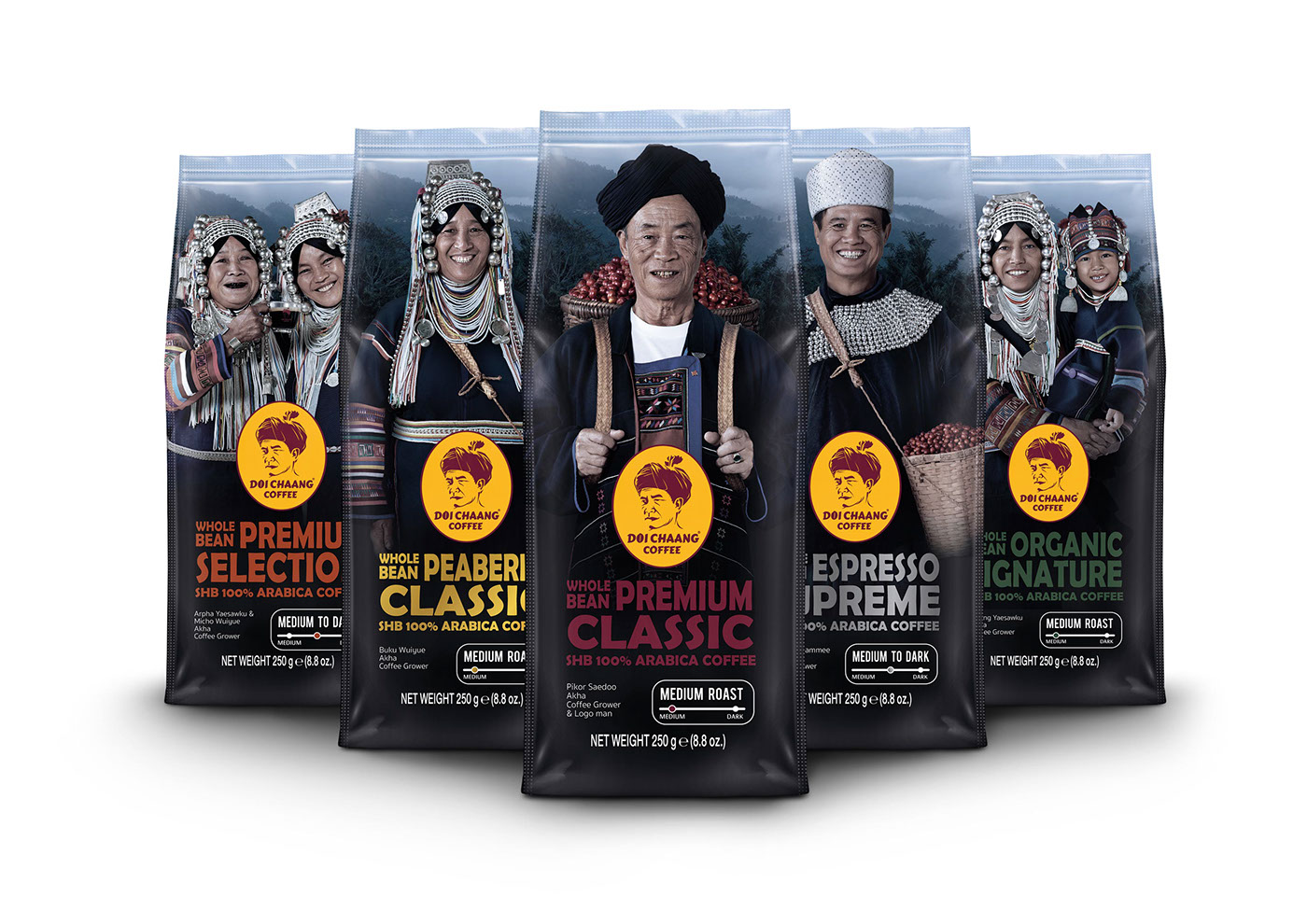
Doi Chaang Coffee Company stands out as Thailand’s premier specialty coffee wholesaler, operating a farmer-owned cooperative model that directly benefits 300+ indigenous Akha and Lisu families. Their estate-grown beans consistently score 82-88 points, with natural and honey-processed lots commanding premium prices of $6,000 to $8,500 per metric ton. The company maintains full traceability through their blockchain-based tracking system, providing buyers with complete transparency from cherry to export. Minimum orders start at 500kg, making them accessible for specialty roasters seeking unique single-origin offerings.
Akha Ama Coffee, while smaller in scale, has revolutionized Thailand’s specialty wholesale sector by focusing exclusively on indigenous-grown micro-lots. Their direct trade model ensures farmers receive 3-4 times the commodity price, while buyers gain access to exotic varietals including Typica, Bourbon, and rare Gesha crosses. Though minimum orders are higher at 1,000kg, their curated selection appeals to roasters willing to pay premium prices for extraordinary cup quality and social impact storytelling.
China
China’s coffee production has surged to approximately 156,000 metric tons annually, with Yunnan Province accounting for 98% of national output. The industry has evolved from basic commodity production to quality-focused cultivation, with several farms achieving Rainforest Alliance and organic certifications. Yunnan’s terroir—characterized by elevations between 1,000 and 2,000 meters and mineral-rich red soil—produces Arabica beans with bright acidity, floral notes, and clean finish comparable to Central American profiles.
Yunnan Coffee Exchange serves as China’s primary wholesale platform, connecting over 200 processing facilities with international buyers. Their digital marketplace provides real-time pricing, quality certifications, and logistics coordination, handling volumes from 1 metric ton to full container loads. The platform’s standardized grading system (ranging from AA to C grade) simplifies quality assessment, while their escrow payment system protects both buyers and sellers. Prices typically range from $3,200 to $5,800 per metric ton FOB Shanghai, depending on grade and processing method.
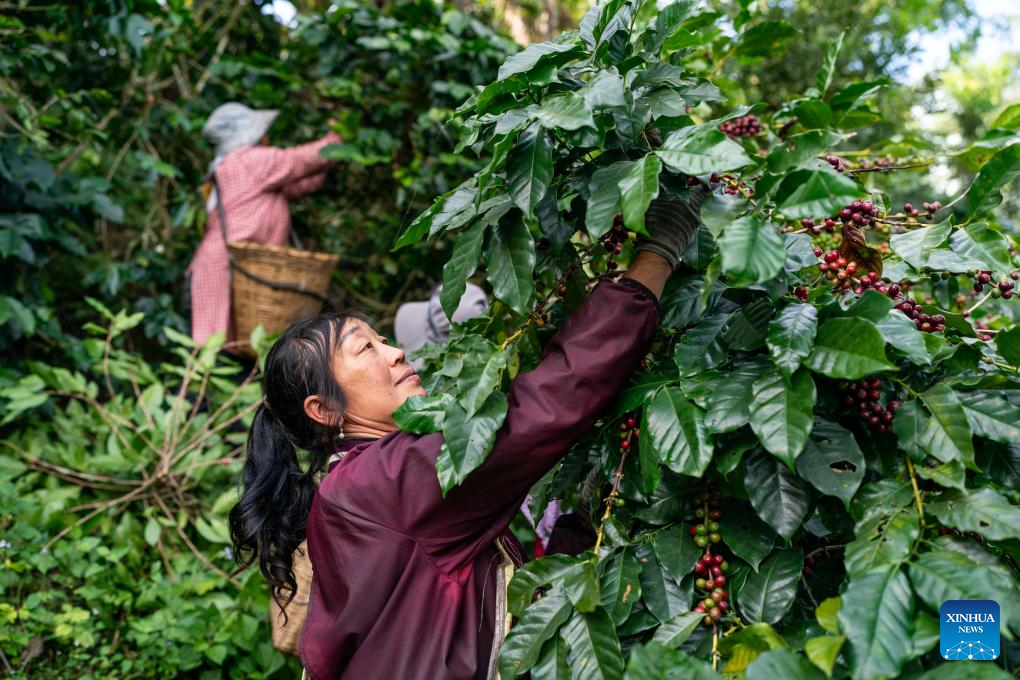
Starbucks Yunnan Coffee Farm, operated through their joint venture with Ai Ni Group, represents the premium end of Chinese coffee wholesale. While primarily supplying Starbucks’ Asian stores, they allocate approximately 15% of their 400-metric-ton annual production to select wholesale partners. Their focus on sustainable farming and worker welfare creates compelling marketing narratives for socially conscious brands, though minimum orders start at 5 metric tons and pricing reflects their premium positioning.
