
For many years, when people mentioned Robusta, most of the market immediately thought of a coffee that was strong, bold, high in caffeine, but difficult to place in the “premium” category. Robusta was often associated with commercial coffee, instant coffee, or blends designed to increase strength, increase body, and optimize cost. Arabica, by contrast, was the name more often mentioned in conversations about specialty coffee, flavor experience, and the premium segment.
But that perception is changing quite quickly. In recent years, Fine Robusta has started to be mentioned more often as a new direction for the coffee industry, especially for countries with a strong Robusta advantage like Vietnam. Instead of viewing Robusta only as a mass-market raw material, the market is beginning to see that it can also be a high-quality coffee category with its own story, good sensory value, and enough potential to be developed into a more premium product.
For brands looking for an OEM/ODM supplier in Vietnam to develop their own coffee line, Fine Robusta is a topic worth paying close attention to. It is not only about “upgrading Robusta,” but also about opening up a new direction in product development, brand positioning, and profit margin.
What is Fine Robusta?
Simply put, Fine Robusta is high-quality Robusta that is grown, harvested, processed, and evaluated under much stricter standards than regular commercial Robusta. If specialty coffee is how the market approaches high-quality Arabica lots, then Fine Robusta can be seen as a similar approach applied to Robusta.
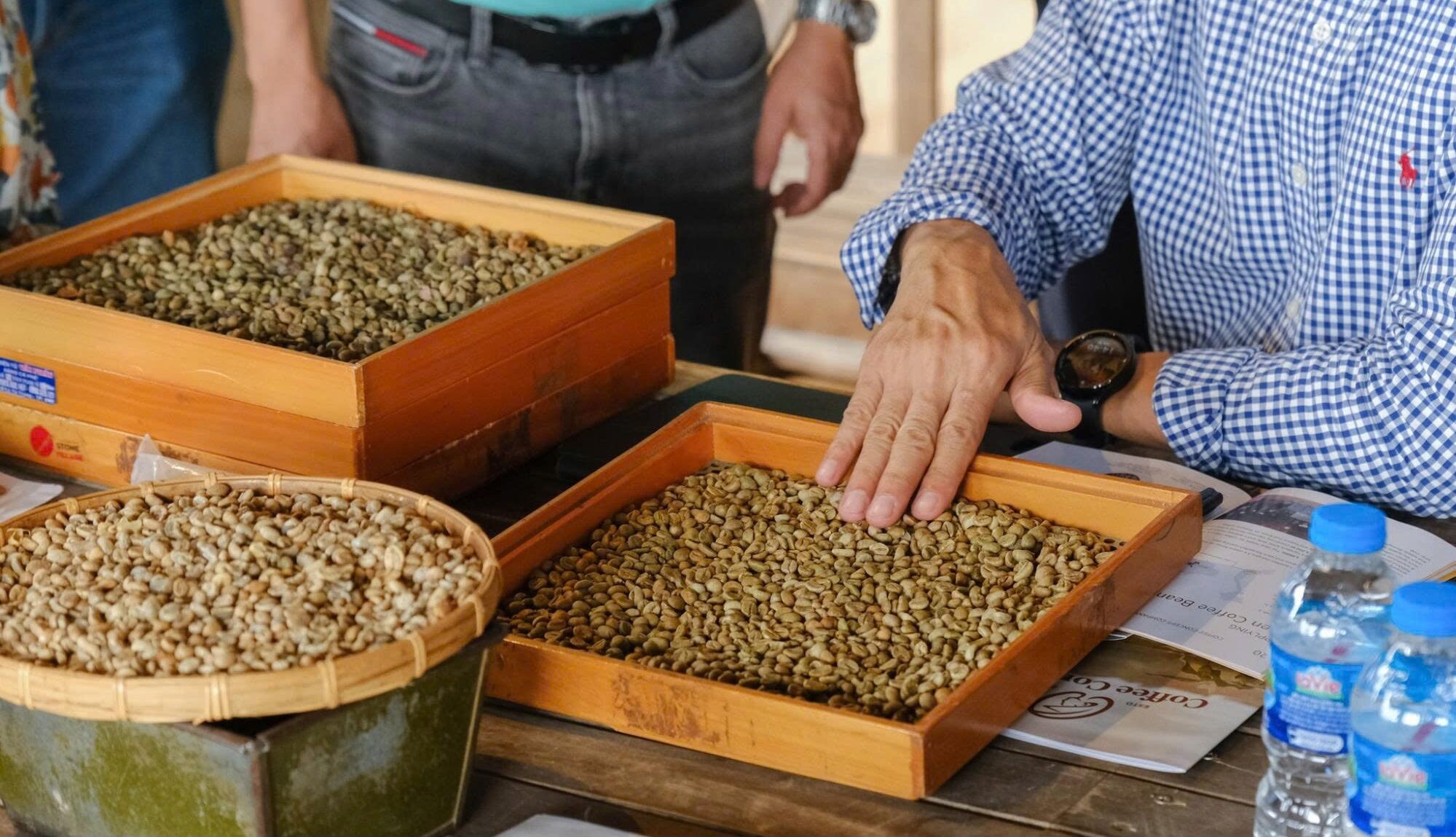
The biggest difference is that Fine Robusta is no longer sold only as a raw material that is “strong, cheap, and high in caffeine.” Instead, it is evaluated based on how it performs in the cup: cleanliness, sweetness, aftertaste, flavor structure, mouthfeel, and overall balance. Under the Coffee Quality Institute (CQI) evaluation system, Fine Robusta generally refers to lots that score 80 points or above using the quality protocol developed specifically for Robusta.
In other words, Fine Robusta is not “regular Robusta with a nicer name.” It is a different segment, with different requirements and a different value.
Read more: Classification system of Fine Robusta coffee according to CQI/UCDA
How is Fine Robusta different from regular Robusta?
The difference does not come from a single factor, but from the entire chain that creates quality.
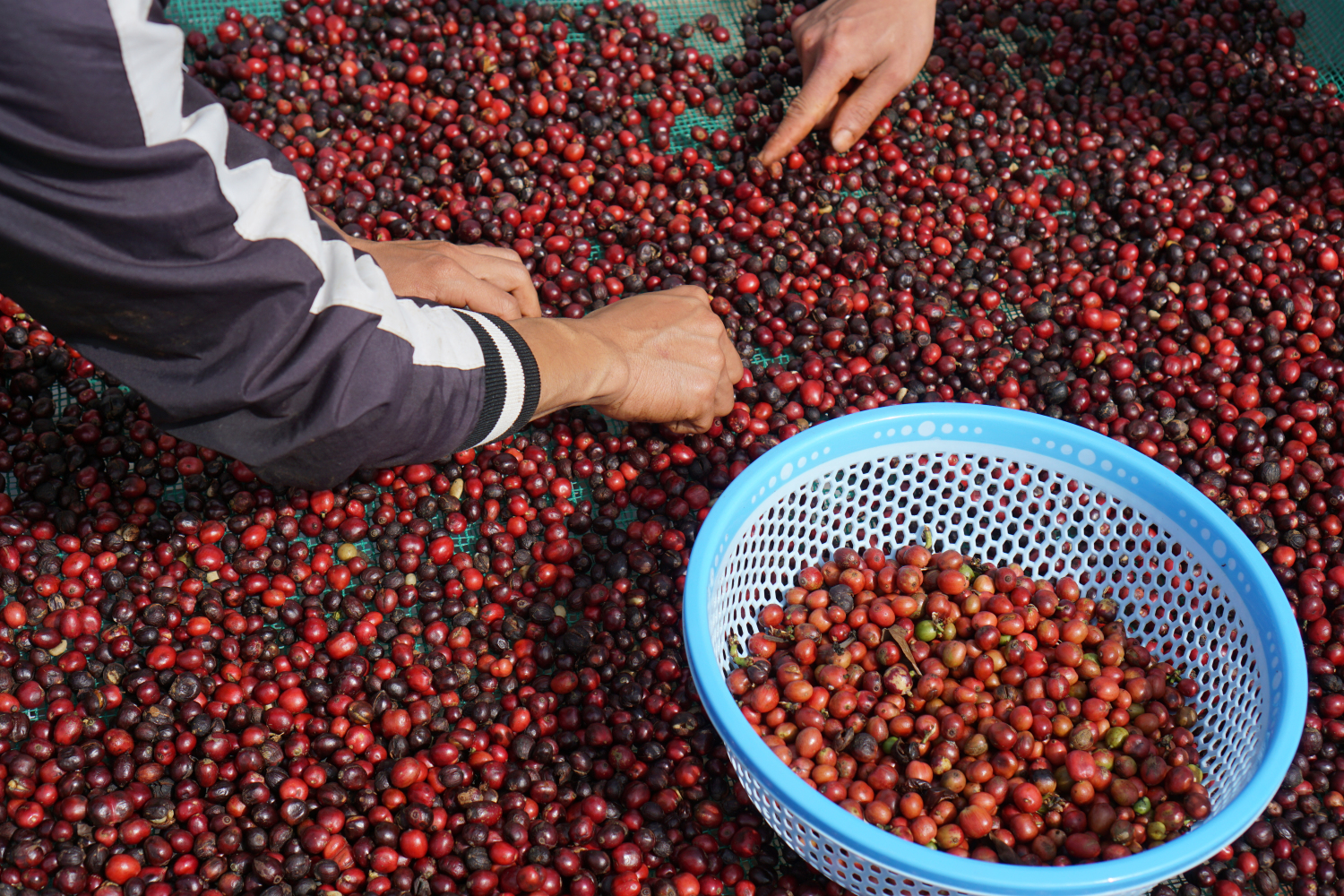
With commercial Robusta, harvesting often prioritizes volume and speed. Green cherries, ripe cherries, and overripe cherries may all be collected together. Drying, fermentation, cleaning, and sorting are sometimes not tightly controlled. As a result, the cup quality is often inconsistent, with a harsh bitterness, limited sweetness, short aftertaste, and sometimes woody, rough, or hard sensory notes.
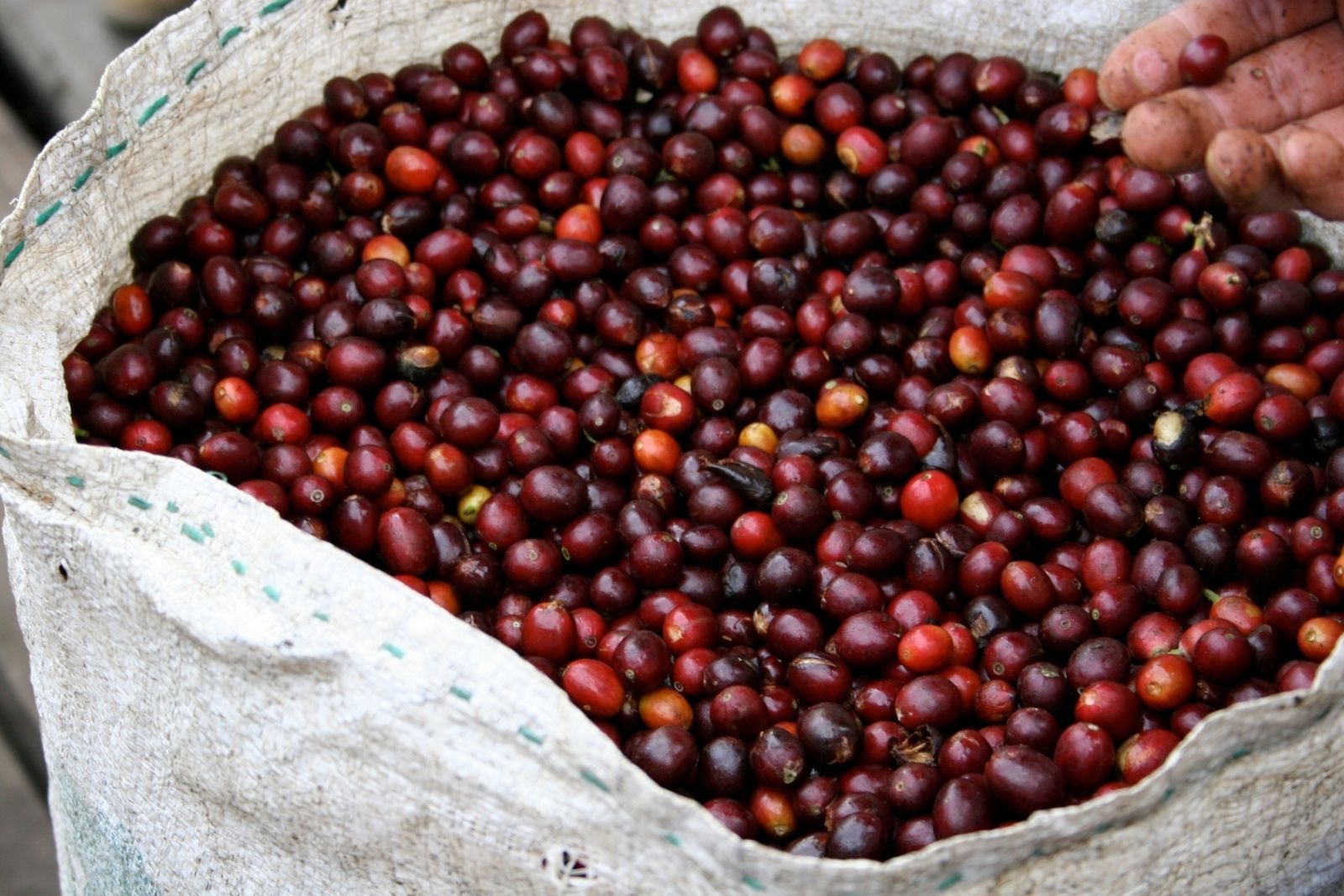
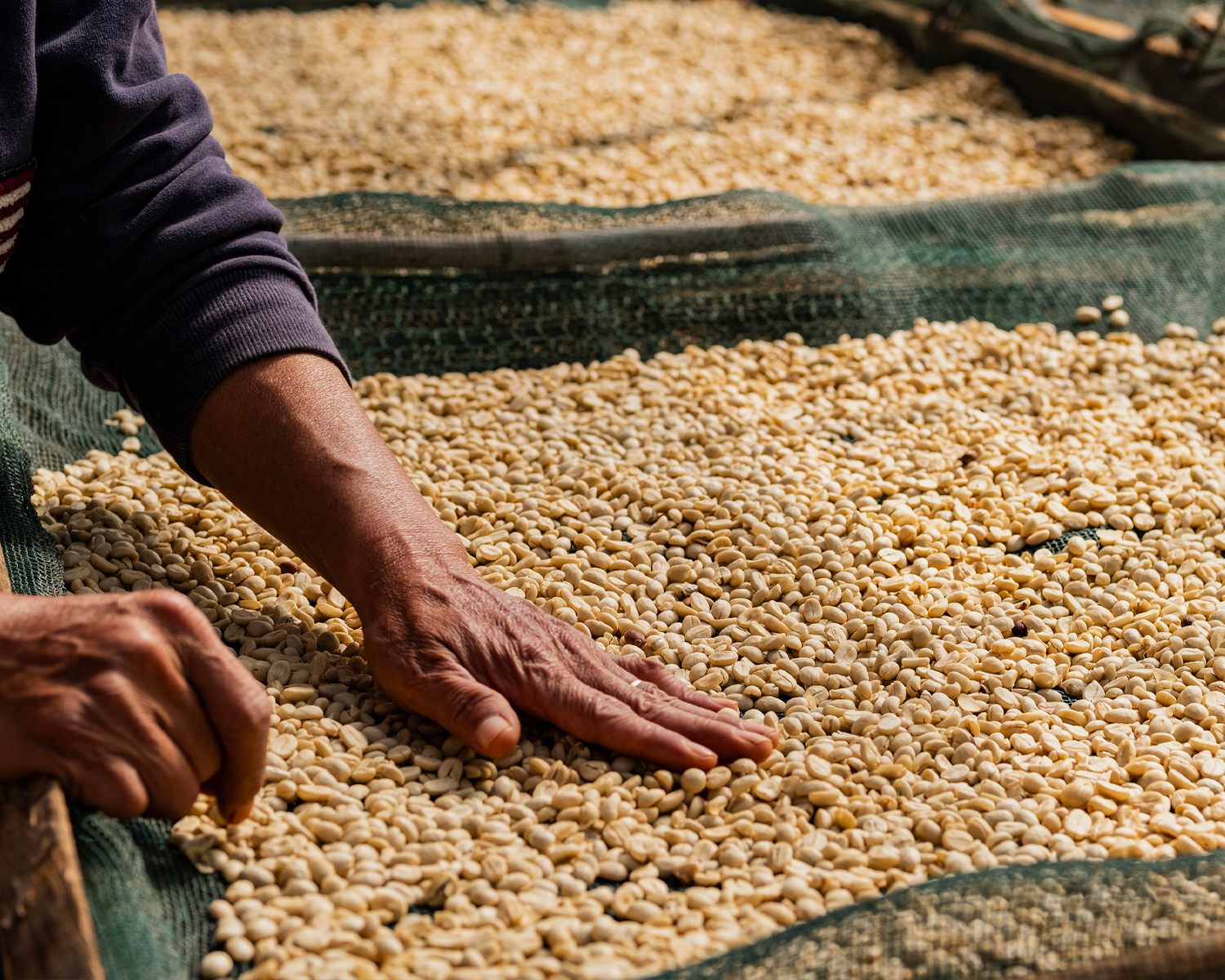
Fine Robusta is different. It requires a higher percentage of ripe cherries, more careful processing, and better control across many stages. From cherry selection, cleaning, drying, and storage, every step directly affects the final quality. Thanks to that, Fine Robusta can produce a cup that is cleaner, less harsh, sweeter, fuller-bodied but smoother, with a longer aftertaste and more noticeable notes such as dark chocolate, roasted nuts, caramel, molasses, dried fruit, or spice.
What matters is that Fine Robusta still keeps the “Robusta character” – meaning strength, intensity, caffeine, and body – but expresses it in a more refined, easier-to-drink, and more layered way.
Why is Fine Robusta gaining attention?
The first reason is that the market itself is changing. In the past, the coffee story was often divided very clearly: Arabica was premium, Robusta was mainstream. But as the market becomes more mature, buyers are looking at coffee more realistically. They are no longer asking only “Is this Arabica or Robusta?” but also “Does this cup taste good, does it suit my customers, and does it create a good business case?”
Fine Robusta appears at the right time, when the market needs a new answer. It offers strong body, bold flavor, high caffeine, and performs well in espresso or milk-based drinks, while delivering a much higher cup quality than commercial Robusta. For many brands, this is a very practical option: it keeps the distinct identity of Robusta while raising the overall quality level of the product.
The second reason is cost. Arabica remains an important choice for many premium coffee lines, but Arabica prices are volatile, supply is not always stable, and not every market is willing to pay more for an Arabica-led product. Fine Robusta therefore becomes an attractive middle-ground option: higher quality than commercial Robusta, but still often more accessible than many specialty Arabicas.
The third reason is the need for differentiation. Today’s coffee market is full of brands talking about “100% Arabica,” “specialty,” “premium,” and “single origin.” Those messages still matter, but they are no longer new enough on their own. Fine Robusta opens up a different story: stronger, bolder, more clearly tied to Vietnam, and easier to build a distinct identity around if a brand wants to offer a coffee with depth without moving too far away from mainstream taste preferences.
Why does Vietnam have a big opportunity with Fine Robusta?
Vietnam has a very strong advantage when it comes to Fine Robusta, simply because it already has such a powerful Robusta foundation. For many years, Vietnam has been known as a major Robusta exporting country. The issue is that most of that value previously came from volume, not from the story of high quality.

Fine Robusta opens up a different path for Vietnamese coffee: not only selling more, but selling better; not only exporting raw materials, but also building the image of a high-quality Robusta origin with sensory value and a distinct identity.
Vietnam’s advantage lies in several areas. First is its large raw material base, especially in the Central Highlands, where conditions are suitable for Robusta cultivation. Second is the already-developed ecosystem for production, processing, purchasing, and exporting. Third is the fact that more and more businesses, farmers, and processors are investing more seriously in quality: selective harvesting of ripe cherries, better-controlled processing, lot separation, traceability, and more professional cupping.
When these factors come together, Vietnamese Robusta is no longer just a commodity. It can become a higher-value ingredient, strong enough to be used in quality blends, premium coffee lines, or private-label products looking for a real point of difference.
What types of products is Fine Robusta suitable for?
Fine Robusta is not the answer for every coffee line, but it is very well suited to several product directions.
The clearest application is in espresso blends. Many brands want an espresso with thick body, good crema, bold flavor, and enough cleanliness to taste good even when combined with milk. If they use commercial Robusta, the blend may become strong but also harsh, rough, or hard-bitter. Fine Robusta solves that problem quite well: it still brings strength and depth, but in a cleaner, sweeter, and more balanced way. That is why it is very suitable for cafés, F&B chains, or brands that want to build a bold house blend without making it too aggressive on the palate.
The second application is in coffee lines built around Vietnamese identity. If a brand wants to sell the story of “Vietnamese coffee,” but the final product is too light, too acidic, or too similar to a common Arabica blend, then that story becomes less convincing. Fine Robusta allows the brand to keep the DNA of Vietnamese coffee: bold, energetic, clearly flavored, and well suited to milk and ice, while still upgrading the drinking experience to a higher level.
The third application is in private label and more premium retail. Many international buyers do not want to import only a cheap Robusta line, but they also may not want to move fully into specialty Arabica because of price, consumer habits, or brand strategy. Fine Robusta then becomes a very interesting option. It creates a useful middle ground: quality high enough to support a more premium story, but still practical enough to optimize cost, margin, and suitability for mainstream markets.
What benefits does Fine Robusta bring to B2B buyers?
From the perspective of buyers, importers, distributors, or brand owners, Fine Robusta is not just a raw material choice. It is a tool for building a better product.
The first benefit is upgrading blend quality without losing the strength of Robusta. Many markets still prefer coffee that is bold, has a clear finish, contains more caffeine, and works well with milk. If a brand replaces everything with Arabica, the product may become more aromatic, but not necessarily more suitable for customer taste. Fine Robusta helps keep the bold character of Robusta while reducing the harsh, rough, and unclean notes often found in commercial Robusta.
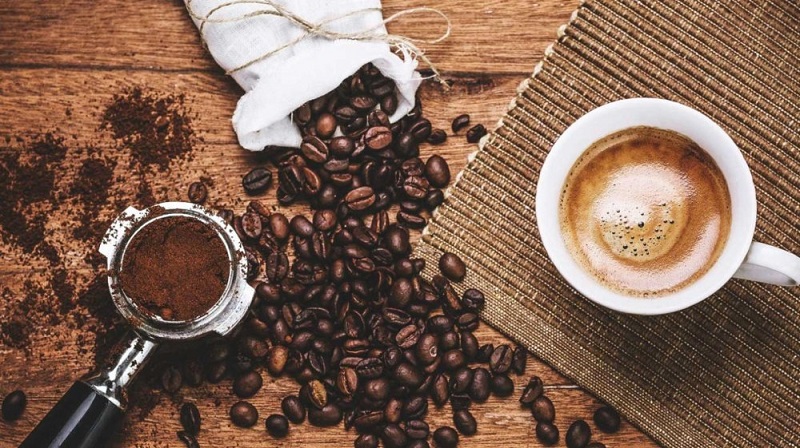
The second benefit is a better balance between quality and cost. Not every brand can sell high-priced coffee. Many need a product that is good enough to position slightly higher, while still keeping a reasonable selling price and a healthy margin. Fine Robusta is a very suitable option for that kind of business challenge.
The third benefit is a clearer brand story. Instead of simply saying “we sell coffee from Vietnam,” a brand can say more specifically that it uses Fine Robusta – a high-quality Robusta that is more carefully selected and controlled, representing a new direction for Vietnamese coffee. For brands building a private label or wanting to highlight origin, this is a valuable advantage.
What should buyers ask when sourcing Fine Robusta?
Because Fine Robusta is gradually becoming an attractive keyword, buyers also need to be more careful when working with suppliers. Not every Robusta lot described as “premium” is truly Fine Robusta.
The first thing to ask is how the lot has been evaluated. If the supplier says it is Fine Robusta, they should have a clear basis for that claim: a score, cupping records, or at least a clear quality definition for the lot.
The second thing is the harvesting and processing method. What is the ripe cherry ratio? Is it natural, honey, or washed? How is fermentation controlled? Is drying stable? All of these factors directly affect flavor.
The third thing is the flavor profile. Buyers should not ask only about price and technical specifications. More importantly, what does the cup taste like? Is it more chocolate-forward or more dried-fruit-like? How sweet is it? Is the body heavy or medium? Is the aftertaste short or long? Is it suitable for espresso, phin, drip bag, or milk-based drinks?
The last thing is consistency. A good sample is not enough. In OEM/ODM, what buyers need is the ability to repeat quality across multiple lots and repeated orders, so that the final product remains stable once it reaches the shelf.
Is Fine Robusta a new direction for OEM/ODM?
The answer is yes, and quite clearly so.
In the past, when buyers worked with an OEM/ODM coffee manufacturer, the choices were often simple: either go with commercial Robusta to optimize cost, or go with Arabica to elevate positioning. Fine Robusta creates a third option that is much more attractive: high-quality Robusta that can sit in a better segment, create a better blend, and tell a stronger brand story.
This is very important for international brands that want to develop their own coffee products in Vietnam. They do not just need good coffee; they need a product structure that makes sense: differentiated enough to sell, stable enough to scale, good enough to build a brand on, and reasonably priced enough to support long-term business. Fine Robusta can solve a large part of that equation.
For a brand that wants to create a Vietnamese coffee line for international markets, Fine Robusta can be a very strong foundation. For a coffee chain that needs a bold, full-bodied house blend that works well with milk, Fine Robusta is also worth considering. For a buyer looking to upgrade an existing Robusta line without pushing the price up too sharply, Fine Robusta is even more relevant.
Read more: The 4 Best Fine Robusta Coffees in Vietnam
Fine Robusta and the opportunity for Hello 5 Coffee
For Hello 5 Coffee, Fine Robusta is not simply a new coffee line to add to the product portfolio. More importantly, it is an opportunity for Hello 5 to create higher-value coffee solutions for B2B customers.
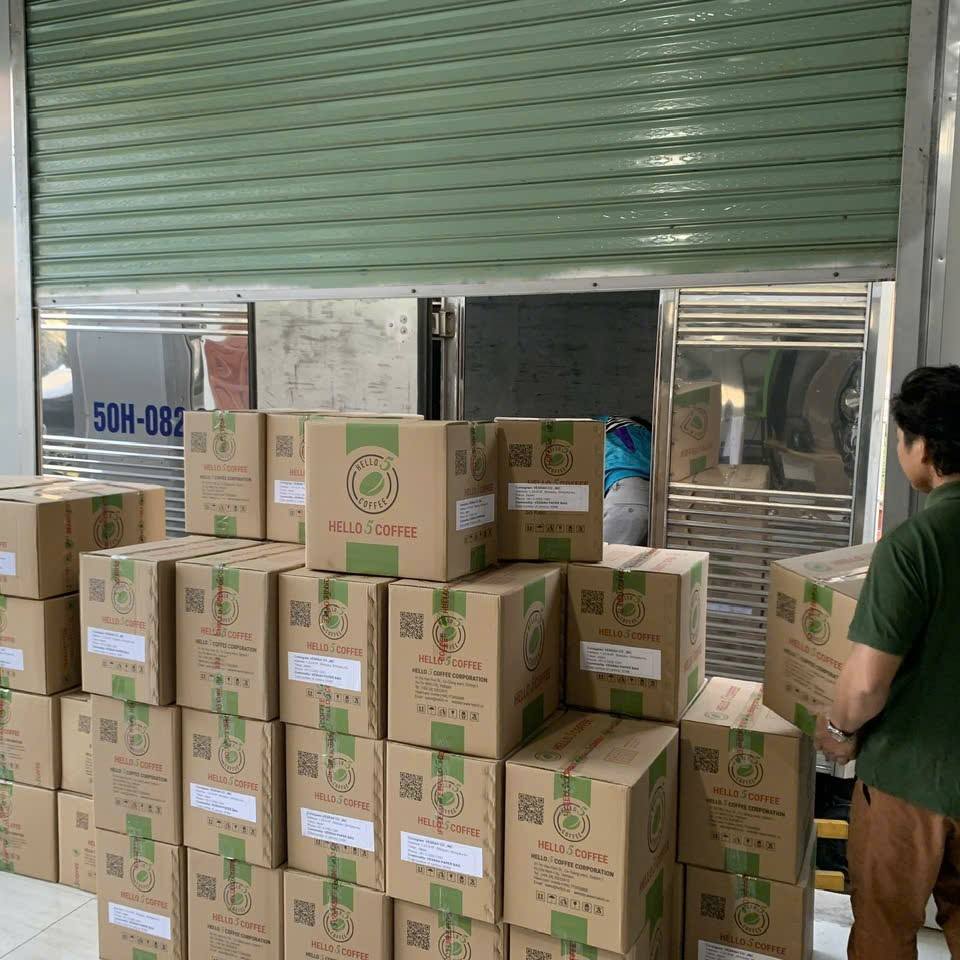
Instead of stopping at commercial Robusta, Arabica, or standard blends, Hello 5 can further develop product lines based on Fine Robusta to serve more specific customer needs. For example, for a brand that wants to build a coffee line with a clear Vietnamese identity while still aiming at a higher segment, Fine Robusta can become the core ingredient. For a café chain that needs a house blend that is bold, full-bodied, works well with milk, but still tastes clean and easy to drink, Fine Robusta is also a very strong option. And for partners developing private label or OEM/ODM products, this is a way to create something more distinctive than a standard Robusta line.
What makes this especially relevant is that Fine Robusta fits well with the direction Hello 5 is already pursuing: developing Vietnamese coffee in a more professional, more flexible way, with the ability to customize for different markets. When Fine Robusta is combined with Hello 5’s roasting, blending, private-label, and export capabilities, Hello 5 is no longer simply selling coffee. It can work with customers to build a complete product concept: from flavor profile selection, blend ratio, and roast level to brand story and market positioning.
In short, Fine Robusta gives Hello 5 a clearer path in OEM/ODM: not competing on price alone, but competing through better quality, a clearer product story, and the ability to create coffee lines with a more distinctive identity for each partner.
Conclusion
Fine Robusta matters because it changes the way the market sees Robusta. Instead of being viewed only as a strong and inexpensive coffee, Robusta can now become a cleaner, sweeter, higher-quality ingredient with a stronger story and much greater value in product development.
For Vietnam, this is a major opportunity to move beyond the role of a “large-volume Robusta supplier.” For B2B buyers, it is a chance to build products with more character, stronger quality, and better margins. And for OEM/ODM companies like Hello 5 Coffee, Fine Robusta is a direction worth investing in if the goal is to create more distinctive coffee solutions for international customers.
In short, if Robusta used to be chosen mainly for its price and strength, Fine Robusta is creating a new reason to choose Robusta: quality, identity, and long-term brand value.
