
If you are building your own coffee brand, opening a coffee chain, or looking for an OEM/ODM coffee supplier in Vietnam, one of the first things you need to decide is which coffee blend to use.
This sounds simple, but it has a big impact on your product.
The blend affects:
- how the coffee tastes
- how strong it feels
- whether it works better as black coffee or milk coffee
- how much the product costs
- which type of customer is most likely to buy it again
A blend that works well for a specialty café may fail in a mass-market retail channel. A blend that tastes great as espresso may not be the best choice for traditional milk coffee. That is why choosing the right blend should start with your target customer, not just with the beans you personally like.
In this article, we will look at which coffee blend fits each customer segment, and how brands can work with a Vietnam coffee OEM/ODM manufacturer to develop the right product for their own market.
Start with the customer
Before talking about Arabica, Robusta, or Culi, it is important to ask a few simple questions:
- Who will drink this coffee?
- Do they prefer strong coffee or smooth coffee?
- Do they drink it black, with milk, or with sugar?
- Is the product for cafés, supermarkets, offices, or premium retail?
- Do they care more about aroma, caffeine strength, or price?
These questions matter because there is no single “best blend” for everyone. The best blend is the one that matches the drinking habits, taste preference, and price level of your target market.
Know the main bean types
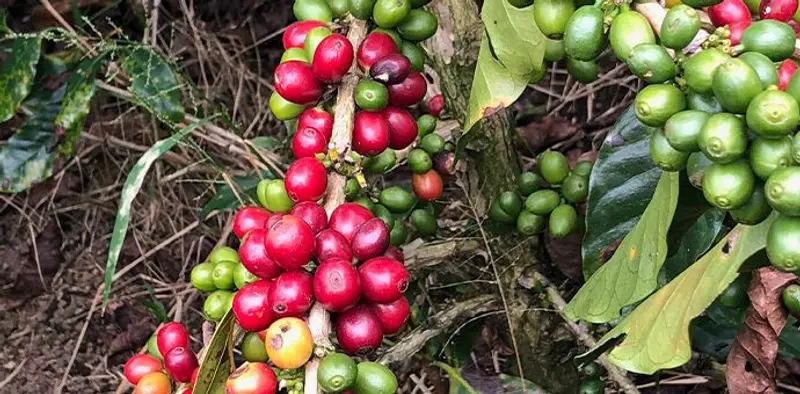
When developing a coffee blend in Vietnam, the most common ingredients are Arabica, Robusta, and Culi. Each one plays a different role in the cup.
Arabica
Arabica is usually used when a brand wants a coffee that feels smoother and more refined.
Typical characteristics:
- more aroma
- smoother taste
- lighter bitterness
- cleaner finish
- often seen as more premium
Arabica is often a good fit for:
- specialty cafés
- premium retail coffee
- customers who enjoy black coffee
- markets that already know and prefer 100% Arabica coffee
Robusta
Robusta is a very important bean in Vietnamese coffee. It is stronger, bolder, and usually has more caffeine than Arabica.
Typical characteristics:
- strong body
- bold coffee taste
- more bitterness
- higher caffeine
- often more cost-efficient than Arabica
Robusta is often a good fit for:
- traditional coffee
- milk coffee
- iced coffee
- café chains serving large volumes
- markets where customers like a strong coffee kick
Culi
Culi is often used to make a blend feel deeper and stronger. It can help create a more intense flavor profile.
Typical characteristics:
- richer body
- stronger aftertaste
- more depth
- often used in bold traditional-style blends
Culi is not always used on its own, but it can be a useful part of a custom blend when a brand wants a stronger signature taste.
Blend for traditional coffee shops
If your customers like strong, bold coffee, especially coffee mixed with milk, condensed milk, or sugar, then a Robusta-led blend is usually the best place to start.
Good blend options:
- 100% Robusta
- 70% Robusta + 30% Arabica
- Robusta + Culi for extra strength
Best for:
- traditional coffee shops
- Vietnamese-style coffee concepts
- milk coffee menus
- Southeast Asian markets
- customers who want strong caffeine and bold taste
When coffee is mixed with milk or ice, a light and delicate blend can easily disappear. Robusta helps the coffee stay strong and noticeable in the cup. It also gives a fuller body and a more powerful coffee taste, which many mainstream consumers prefer.
If your market mainly drinks sweetened coffee or milk coffee, do not choose a light Arabica-heavy blend just because it sounds premium. In many cases, a stronger Robusta-based blend will sell better and create more repeat orders.
If you run a café chain or want a blend that works for espresso, latte, cappuccino, americano, and iced drinks, then a balanced Arabica–Robusta blend is usually the safest choice.
Good blend options:
- 70% Arabica + 30% Robusta
- 60% Arabica + 40% Robusta
- 50% Arabica + 50% Robusta for a bolder cup
Best for:
- modern cafés
- restaurant and hotel coffee programs
- coffee kiosks
- brands that need one “house blend” for many drinks
Arabica gives aroma and smoothness. Robusta adds body, crema, and strength. When blended well, the result is a coffee that works in both black drinks and milk-based drinks.
This is why many café brands choose an Arabica–Robusta blend as their main commercial product. It is often easier to sell than a very light Arabica or a very bitter Robusta-heavy blend.
If your café needs one core blend for daily operations, focus on consistency and versatility. The best café blend is usually the one that performs well across different drinks and remains stable from batch to batch.
If your brand is targeting customers who care about aroma, smoothness, and a more premium coffee experience, then an Arabica-dominant blend is often the better choice.
Good blend options:
- 100% Arabica
- 80% Arabica + 20% Robusta
- custom Arabica blend for a softer, more refined profile
Best for:
- specialty cafés
- premium roasted coffee brands
- gift coffee collections
- high-end retail
- markets that value aroma and cleaner taste
Arabica is often the preferred choice for customers who enjoy black coffee and want more aroma complexity. It helps position the brand as more premium, especially when paired with better packaging, origin storytelling, and a more refined roast profile.
Premium does not always mean 100% Arabica. In some markets, customers still want a coffee that feels strong. In that case, adding a small amount of Robusta can improve body and help the product appeal to a wider audience.
Blend for supermarkets and retail
If you are developing coffee for supermarkets, grocery stores, convenience stores, or mainstream retail, the goal is usually to create a blend that is easy to drink, affordable, and suitable for a large group of customers.
Good blend options:
- 50% Arabica + 50% Robusta
- 40% Arabica + 60% Robusta
- 30% Arabica + 70% Robusta for stronger markets
Best for:
- retail packaged coffee
- supermarket private label
- mainstream coffee brands
- distributors serving daily coffee drinkers
Retail products need to balance three things:
- taste
- cost
- repeat purchase
If the coffee is too premium, it may become too expensive. If it is too bitter or too niche, it may not appeal to a broad audience. A balanced commercial blend is often the best answer.
For retail, it is often smart to build more than one SKU, for example:
- one stronger blend for customers who like bold coffee
- one balanced blend for daily drinking
- one premium blend for gift or higher-end retail channels
This gives your brand a better chance to cover different price levels and customer groups.
Blend for offices and hospitality
If the coffee is meant for offices, hotels, events, lounges, or general hospitality use, the safest choice is usually a smooth, approachable blend that most people can enjoy.
Good blend options:
- 60% Arabica + 40% Robusta
- 50% Arabica + 50% Robusta
- medium roast rather than very dark roast
Best for:
- office coffee supply
- hotel breakfast coffee
- hospitality channels
- conference and event coffee
- business gift sets
In these channels, the coffee is served to many different people with different taste preferences. A balanced blend is easier to accept because it is not too bitter, too acidic, or too extreme in any direction.
If you are selling to offices or hospitality, think beyond the blend itself. Also consider:
- whether the product should be whole bean or ground
- whether drip bags are more convenient
- whether instant coffee is needed for some channels
- what packaging size fits operational use best
Blend for Vietnamese coffee concepts
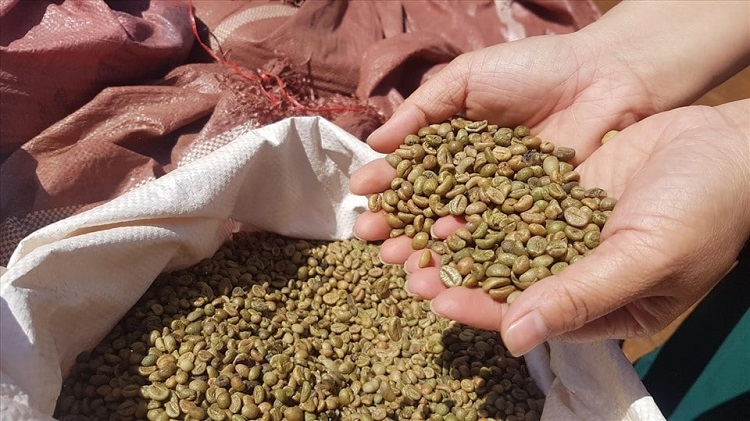
If your brand wants to highlight Vietnamese coffee culture, then the blend should reflect that. In many cases, this means building the product around Vietnamese Robusta or a Robusta–Arabica blend.
Good blend options:
- 70% Robusta + 30% Arabica
- 50% Robusta + 50% Arabica
- Robusta + Culi for a stronger traditional profile
Best for:
- brands selling “Vietnamese coffee”
- importers looking for an authentic Vietnam coffee product
- café concepts built around phin coffee or milk coffee
- customers who want bold, rich coffee with a clear origin story
Vietnam is one of the world’s leading coffee producers, especially for Robusta. A well-developed Vietnamese-style blend can give your brand a clear identity instead of making it feel like just another generic coffee product.
If you want to sell the story of Vietnamese coffee, your product should actually taste like it has Vietnamese character. That usually means keeping some Robusta strength in the blend rather than making it too soft or too generic.
Read more: Single-origin vs. blend coffee: Which is right for your coffee brand?
How to choose your blend
If you are still unsure where to start, this simple rule can help.
Choose more Robusta if
- your customers like strong coffee
- they often drink coffee with milk, sugar, or ice
- you need a lower cost structure
- you want a more traditional or Vietnamese-style profile
Choose a balanced blend if
- you need one blend for many drinks
- your customers want both aroma and strength
- you are building a café menu or mainstream retail line
- you want a safe commercial option for a wide audience
Choose more Arabica if
- your customers drink more black coffee
- your brand targets premium or specialty buyers
- aroma and smoothness matter more than strength
- your market accepts a higher price point
Add Culi if
- you want a stronger signature taste
- you want more depth in a dark or traditional blend
- your customers enjoy bold, intense coffee
Why OEM/ODM matters
Choosing the right blend is only one part of the job. The other part is finding a manufacturer that can actually turn your idea into a stable product.
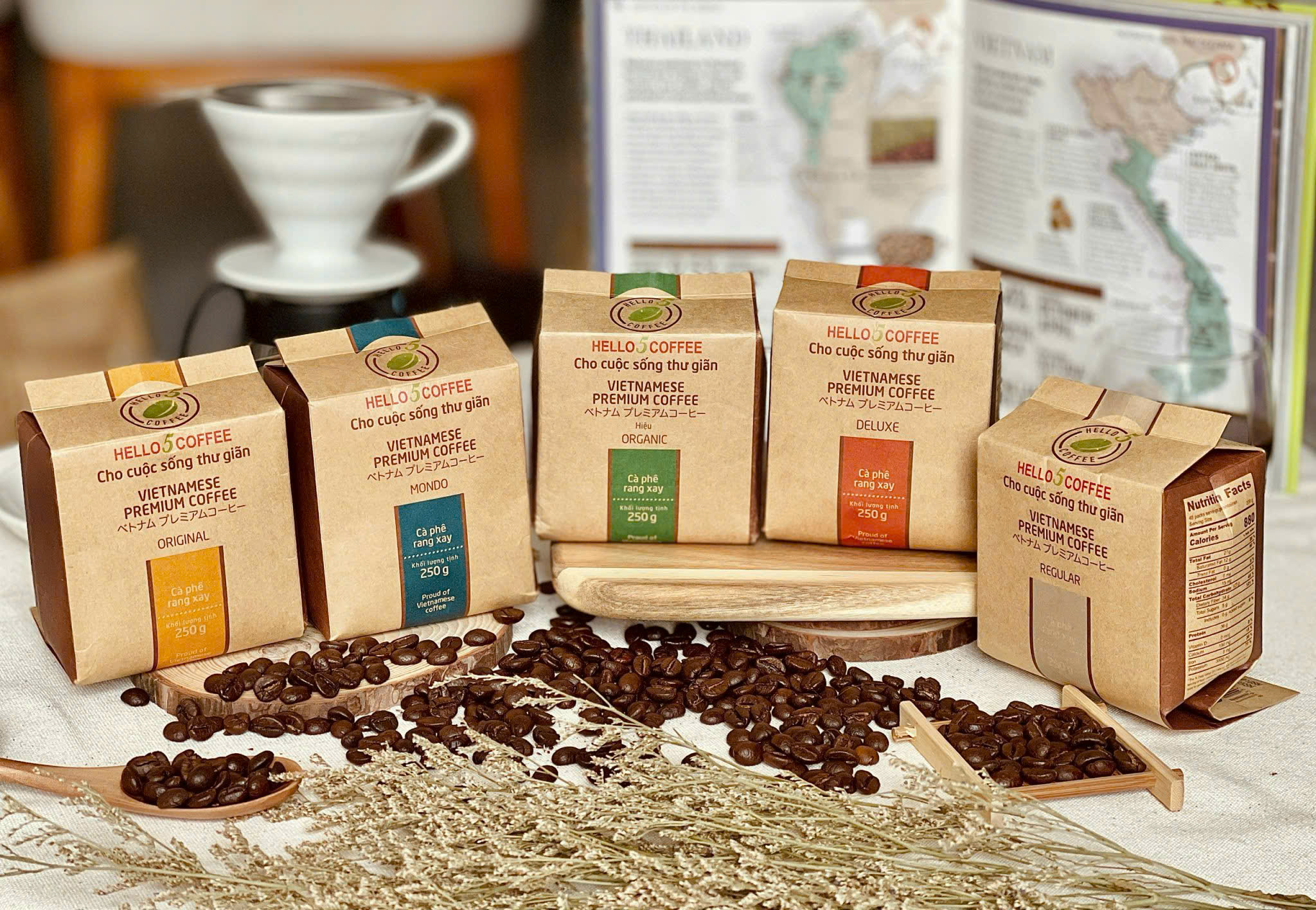
A good OEM/ODM coffee supplier should be able to help you with:
- choosing the right blend for your market
- adjusting the roast level
- preparing samples for testing
- offering different product formats
- creating private label packaging
- producing consistent quality across repeat orders
- supporting export requirements and documents
This matters because the best blend on paper is not enough. The product still has to taste consistent, match your packaging plan, fit your budget, and work well in your sales channel.
Building the right blend with Hello 5 Coffee
At Hello 5 Coffee, we work with international partners who want to build their own coffee products through OEM, ODM, and private label manufacturing in Vietnam.
We support businesses such as:
- coffee brands
- importers and distributors
- café chains
- retailers
- hospitality buyers
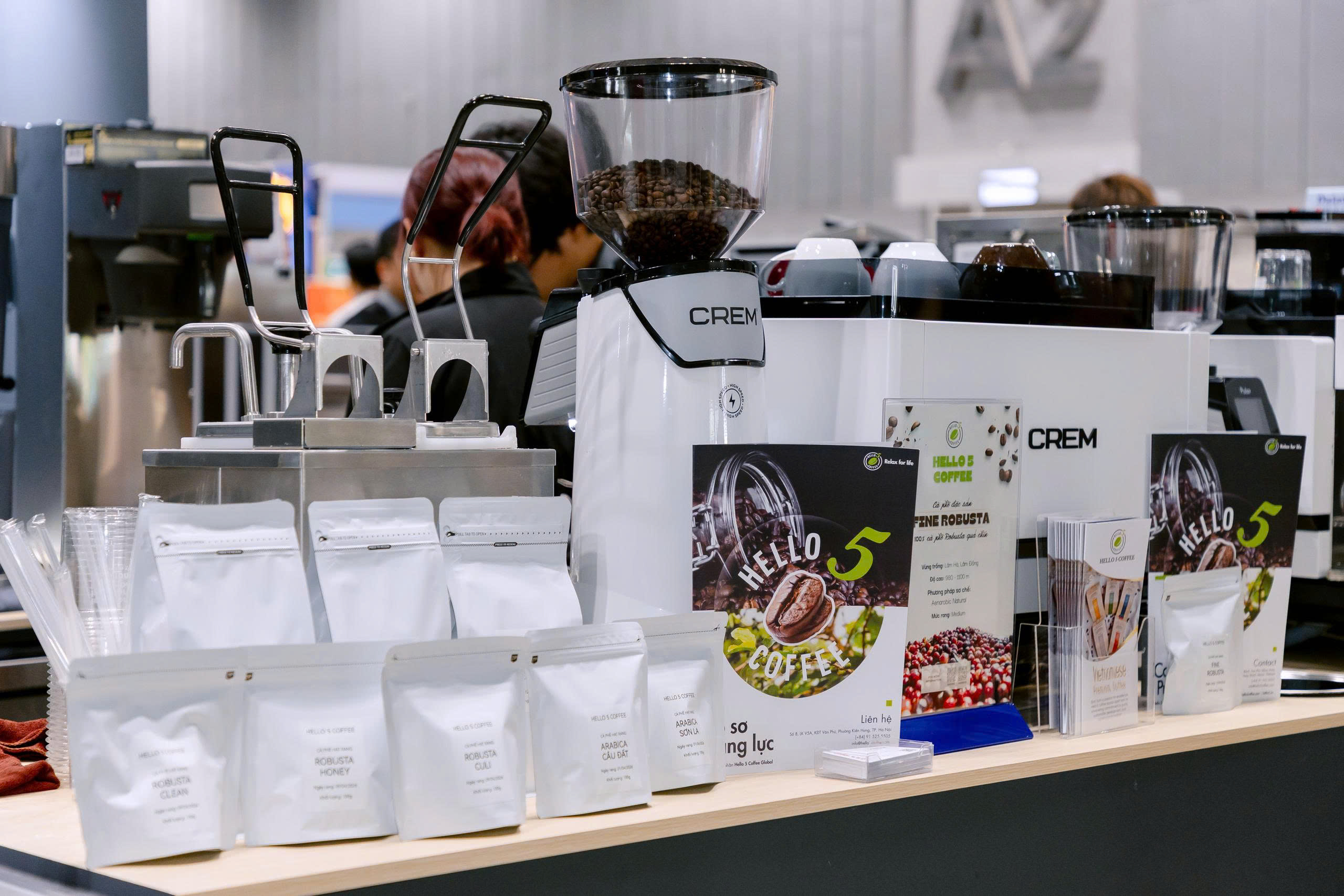
Depending on your target customer segment, we can help develop:
- Arabica blends
- Robusta blends
- Arabica–Robusta blends
- stronger blends with Culi
- roast profiles for different markets
- coffee in whole bean, ground, drip bag, or instant format
The goal is simple: build a coffee product that fits your market, your customers, and your business model.
There is no perfect blend for everyone.
The right blend depends on:
- who your customers are
- how they drink coffee
- what price they accept
- what kind of brand you want to build
If you are looking for a coffee OEM/ODM manufacturer in Vietnam, the best place to start is not with “Which bean is best?” but with “Which blend fits my customer segment best?”
Once that question is clear, product development becomes much easier.
If you are planning to create your own coffee brand or source private-label coffee from Vietnam, Hello 5 Coffee can help you build a blend that matches your market and your goals.
