
Vietnam is the world’s second-largest coffee exporter, yet most people abroad only know one style: dark, bitter, poured over condensed milk. The reality is far more interesting. Here are 6 roasted ground coffees that show the real range of what Vietnamese coffee can be.
How to pick a good roasted ground coffee
- Check the roast date, not just the brand. Roasted ground coffee peaks within 2 to 4 weeks of roasting. After that, flavor flattens fast. Always look for a roast date on the bag, not just a best-before date.
- Smell it within the first week. Pure roasted coffee releases its aroma strongly for about 7 days after opening. If it still smells just as intense two or three weeks later, additives are almost certainly involved. This is common in lower-grade Vietnamese blends that use butter, flavoring agents, or roasted corn as fillers.
- Match roast level to your brewing method. Light and medium roasts work well with pour-over and phin filter, where water contact time is longer and subtleties can develop. Dark roasts suit espresso machines and those who drink their coffee with condensed milk, where bold structure matters more than nuance.
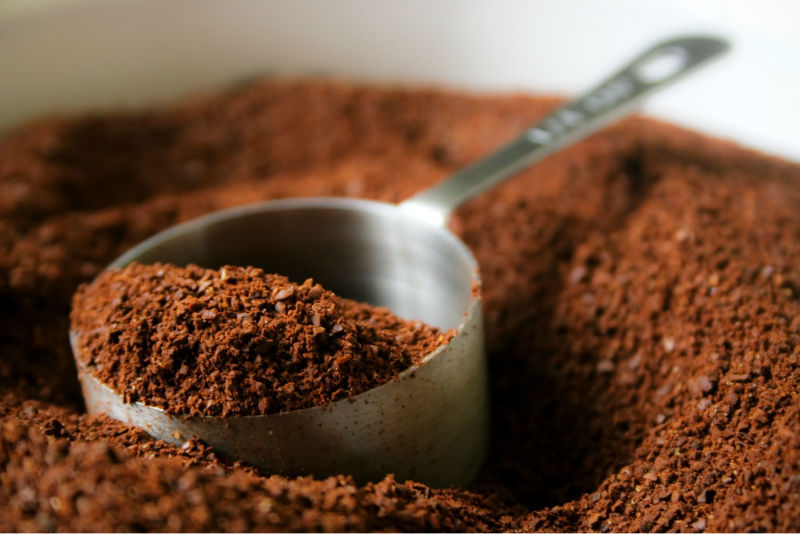
- Look at the color. Genuine roasted ground coffee should be an even reddish-brown to deep brown with consistent color throughout. Black patches, gray tones, or inconsistent coloring often signal uneven roasting or non-coffee fillers mixed in.
6 Vietnamese roasted ground coffees worth trying
1. Arabica Cau Dat
Grown at 1,600 meters above sea level in Da Lat’s Cau Dat district, this is one of the very few places in Southeast Asia where conditions genuinely rival Colombia or Ethiopia: cool year-round temperatures, red basalt soil, and consistent highland rainfall.
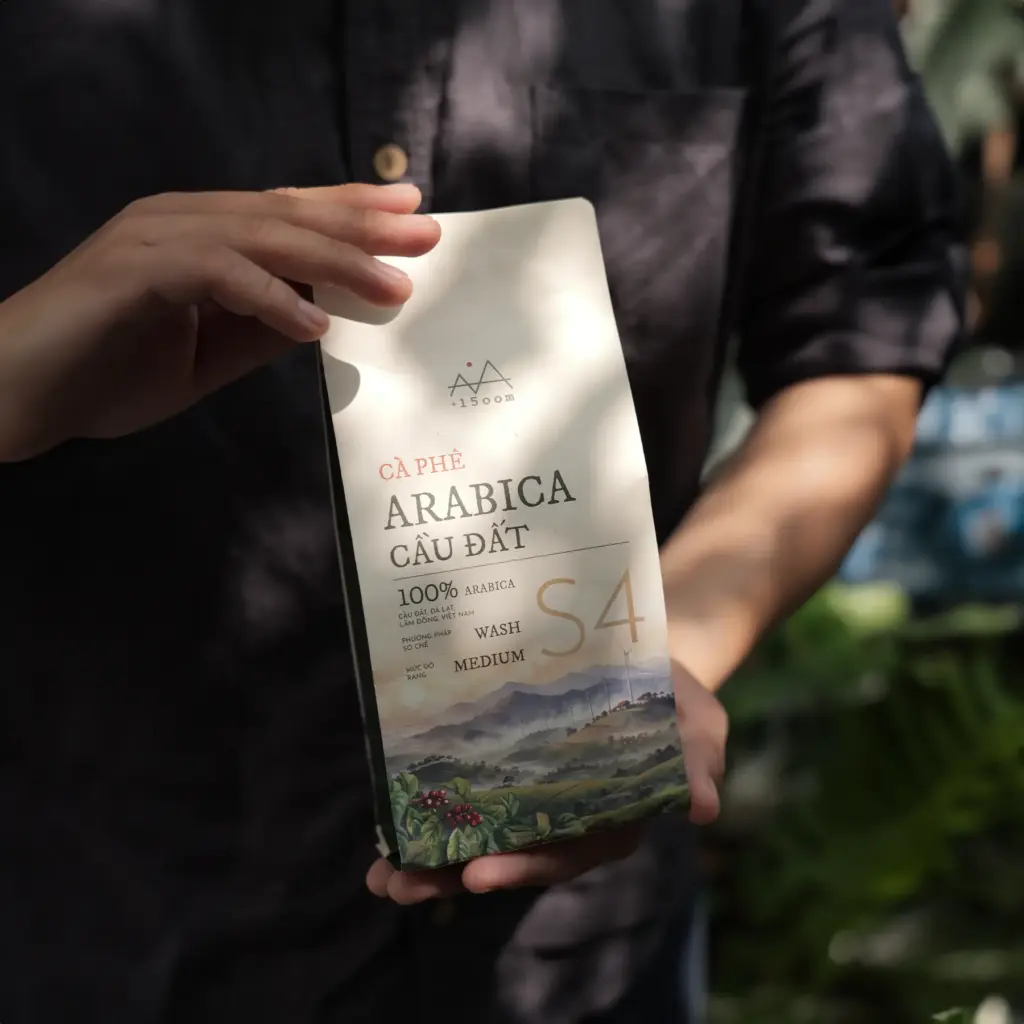
The varieties here, Typica and Moka (Bourbon), were introduced by French agronomists in the early 20th century. Typica is one of the oldest coffee varieties in the world and produces a clean, apple-like sweetness that is unlike anything else grown in Vietnam. At a light-to-medium roast, Arabica Cau Dat is bright and gently acidic in the first sip, with a clean, faintly sweet aftertaste that lingers without bitterness. For anyone who has only experienced Vietnamese Robusta, this is a revelation.
Best for: Pour-over or phin filter. Drink black to taste the full profile.
Read more: Cau Dat Coffee: Vietnam’s Hidden Arabica Paradise
2. Robusta Honey
Most Vietnamese Robusta is dry-processed or washed, which gives it the bold, one-dimensional bitterness that people either love or find too harsh. Honey-processed Robusta is different.
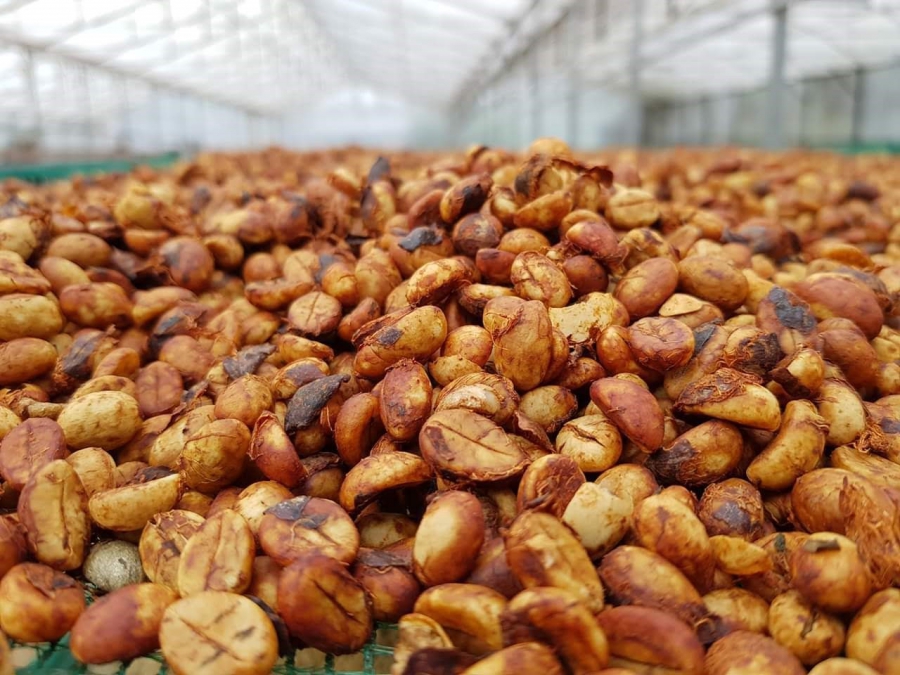
In honey processing, ripe cherries are depulped but the sticky mucilage layer beneath the skin is left on the bean during drying. Over 12 to 20 days, this mucilage caramelizes and ferments, pushing natural sugars into the bean. The result is Robusta that keeps its strong body and caffeine punch but gains notes of ripe tropical fruit, a subtle nuttiness, and a sweetness at the finish that standard processing never produces. The aroma is noticeably softer and more complex than a typical dark-roast Robusta.
This is why Robusta Honey has gained serious attention from specialty importers internationally in recent years. It challenges the assumption that Robusta is inherently inferior to Arabica.
Best for: Phin filter or espresso. Works well black or with condensed milk.
3. Weasel coffee (Cà Phê Chồn)
Asian palm civets roaming Vietnam’s Central Highlands coffee farms use their acute sense of smell to select only the ripest cherries. After passing through the civet’s digestive system, the beans are collected, thoroughly cleaned, sun-dried, and roasted in small batches.

What makes this process genuinely interesting is not the novelty but the chemistry. Proteolytic enzymes in the civet’s gut break down proteins in the bean, specifically the ones responsible for harshness and astringency. The result is a cup with noticeably lower bitterness, a smooth full body, and complex aromas of dark chocolate, earth, and dried fruit with a clean, sweet finish.
One critical warning: the market is full of fakes. Cheap weasel coffee sold in tourist markets is almost always regular coffee treated with flavoring chemicals. Authentic cà phê chồn from free-range civets is rare, expensive, and traceable. Buy only from producers who can document origin and ethical sourcing.
Best for: Phin filter or medium-roast espresso. Best experienced black.
Read more: Is Weasel Coffee Good for Your Health? Unveiling the Surprising Benefits
4. Richness Espresso
Richness Espresso is a precision blend of two complementary Vietnamese coffees: Robusta Honey for body, boldness, and caramelized sweetness; and Moka Cau Dat for its wine-like aromatics and refined finish. The two together produce a cup that is more layered than either could deliver alone.
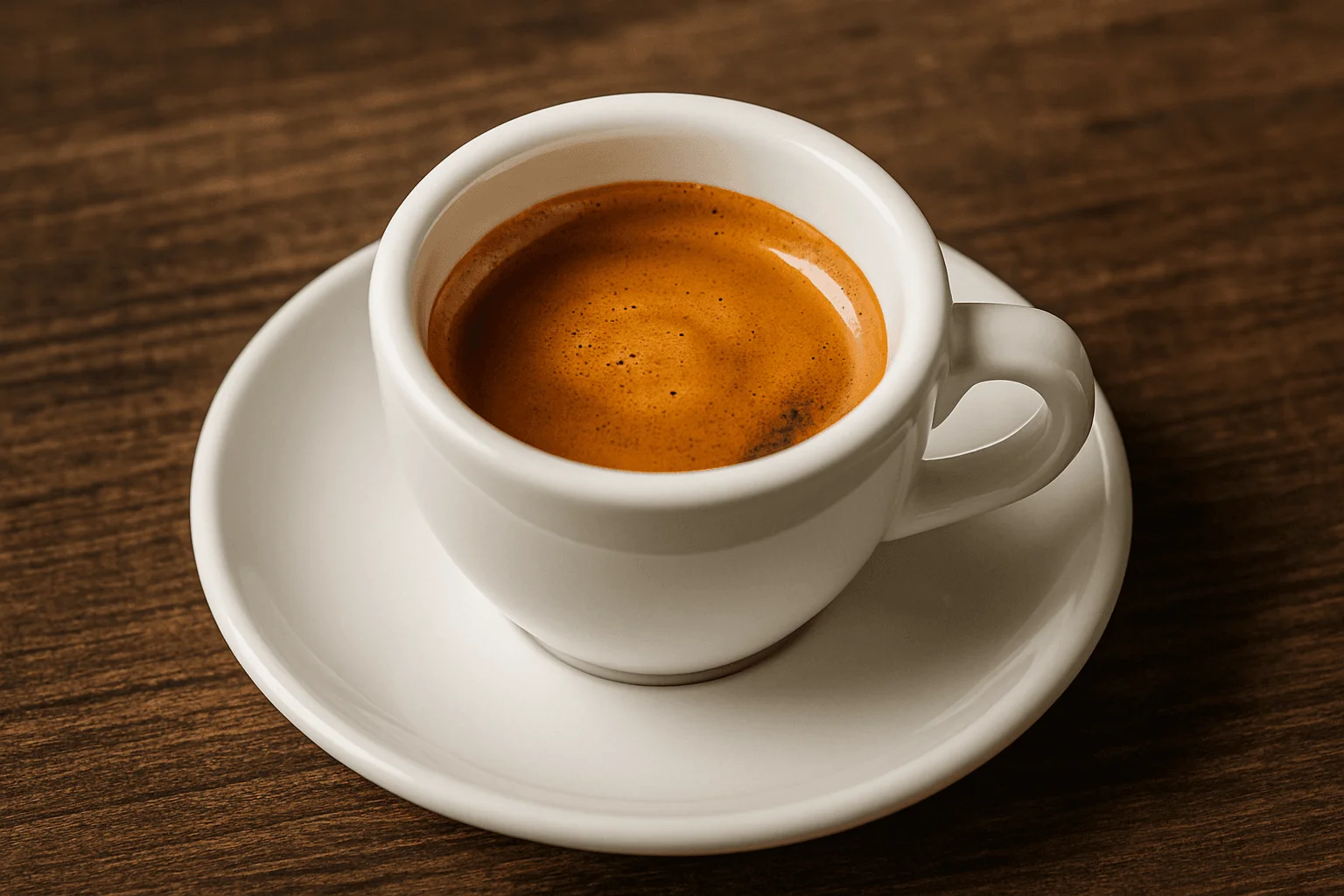
The grind is fine and consistent, optimized for high-pressure extraction. Under an espresso machine, it pulls a thick, persistent crema with a rich body, balanced bitterness, and a lingering sweet finish that carries a trace of the Moka’s complexity. This is the kind of blend that reflects how seriously Vietnamese roasters are now approaching espresso as a craft, not just a brewing method.
Best for: Espresso machine. Excellent as a base for bạc xỉu or any milk-based Vietnamese coffee drink.
5. Moka Premium
Moka is the most prized and the most difficult coffee to grow in Vietnam. A sub-variety of Arabica Bourbon, it was introduced to Cau Dat by French researchers in the 1930s. Today it grows only in this one highland district, at altitude, in small quantities, with low yield per plant and strict hand-picking requirements. That scarcity is real, not marketing.
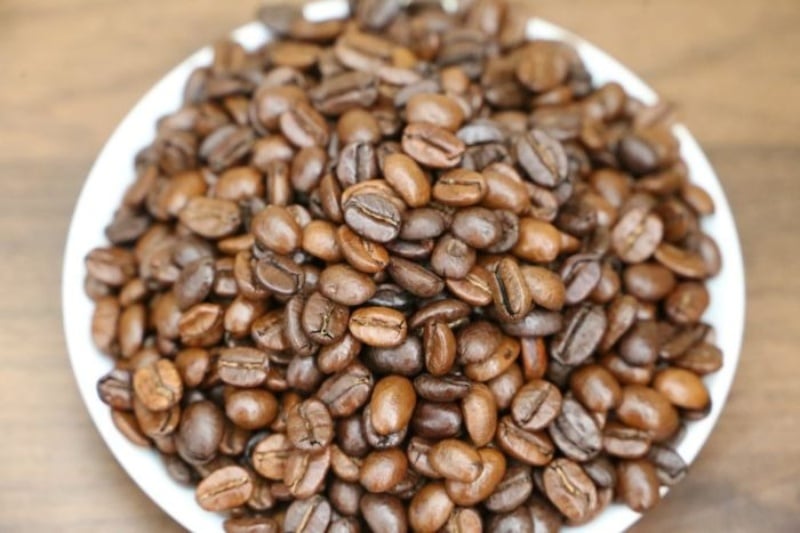
Moka Premium uses 100% Moka beans graded at screen sizes 16 to 18, meaning large, well-developed seeds with concentrated flavor. Traditional slow roasting brings the beans to even heat from the inside out, developing a profile that is immediately distinct: a wine-like aroma, mild and refined bitterness, a delicate brightness, and a chocolate finish that evolves slowly on the palate. It is quiet, precise, and genuinely unlike any other Vietnamese coffee.
Best for: Phin filter or pour-over at medium roast. Drink without milk. Worth buying as a specialty gift.
Read more: What is Moka Coffee? Why is it Called the “Queen of Coffee”
6. Cafe Phin Cau Dat
This is the blend built specifically for the phin filter and the daily Vietnamese coffee ritual. The formula is 70% Central Highlands Robusta and 30% Cau Dat Arabica. The ratio is deliberate: Robusta provides the strong, dark body and high caffeine that define traditional Vietnamese coffee; Arabica from Cau Dat adds a layer of fragrance and a clean acidity that keeps the cup from being flat or one-note.
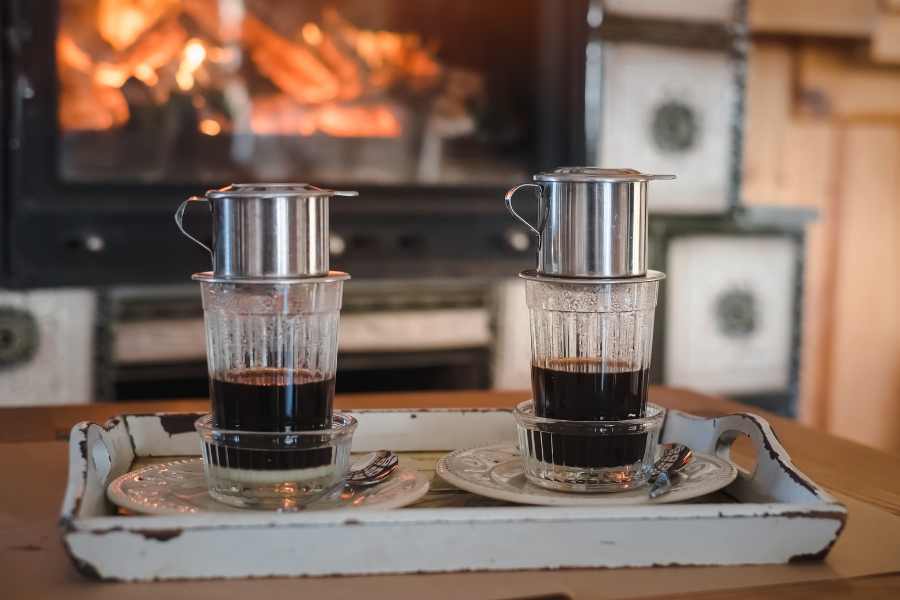
Brewed through a phin over five to seven minutes, it produces a concentrated, layered extract that is the foundation of cà phê sữa đá. This is the most accessible entry point on this list. No special equipment, no steep learning curve. Buy it, use a phin, add condensed milk and ice, and you have the most iconic Vietnamese coffee experience you can make at home.
Best for: Traditional phin filter, black or with condensed milk over ice.
Which one should you choose?
It depends entirely on what you want from a cup.
For bold, high-caffeine, traditional Vietnamese coffee: start with Robusta Honey or Cafe Phin Cau Dat. For nuanced, specialty-grade complexity: Arabica Cau Dat or Moka Premium. For espresso at home with Vietnamese character: Richness Espresso. For a rare, story-worthy experience: Weasel Coffee.
Vietnamese coffee is not one thing. These six varieties make that case better than any description can. The best way to understand them is to try one, brew it fresh, and pay attention.
