
In the past, Vietnam was often seen as a source of affordable, high-volume coffee. That perception is changing quickly. Today, Vietnam is not only the world’s second-largest coffee producer, but also an increasingly important origin for premium and specialty beans.
According to the International Coffee Organization (ICO), Vietnam contributes around 40–45% of global Robusta production, making it a key player in the global supply chain. For coffee roasters in the UK, this matters more than ever. With green coffee prices rising and supply becoming less predictable from traditional origins like Brazil and Colombia, many roasters are now looking for alternatives that offer both quality and stability.
Vietnam is one of the few origins that can deliver on both.
In this guide, we’ll walk through the main types of Vietnamese coffee beans—Arabica, Robusta, and Culi (Peaberry)—and how UK roasters can use them effectively in roasting and blending.
Vietnamese Arabica
Although Arabica accounts for only about 5–7% of Vietnam’s total coffee production, its role is becoming more important, especially in the specialty segment.
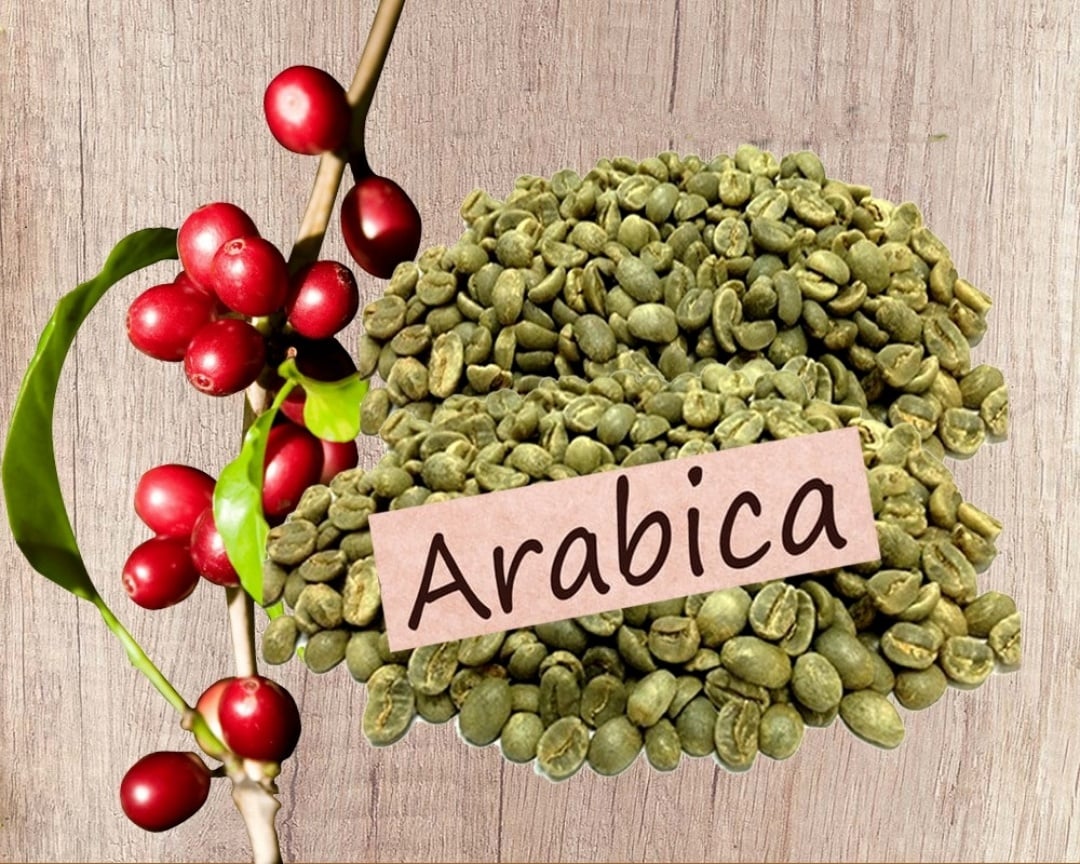
Most Vietnamese Arabica is grown in highland regions such as Da Lat and Son La, where elevations between 1,200 and 1,600 meters create ideal conditions for slower cherry development. This results in a cleaner and more complex cup compared to lower-altitude coffees.
In terms of flavor, Vietnamese Arabica is typically balanced and approachable. You can expect medium acidity, light citrus or fruit notes, and a smooth body. It may not be as intense as some African coffees, but that’s exactly why many roasters find it useful—it’s versatile and easy to work with.
For UK roasters, this makes Vietnamese Arabica a good fit for both single-origin offerings and as a base in blends. It works particularly well with light to medium roast profiles, where its natural sweetness and clarity can come through.
It’s also worth noting that the demand for specialty coffee continues to grow across the UK. Data from the Specialty Coffee Association (SCA) shows that consumers are increasingly interested in origin, traceability, and flavor nuance. This opens the door for emerging origins like Vietnam to gain more attention.
Read more: Should I Open a Vietnamese Coffee Shop in the UK?
Vietnamese Robusta
Robusta still makes up more than 90% of Vietnam’s total coffee production, but the way it is perceived in the market is changing.
Traditionally, Robusta was used mainly in instant coffee or low-cost blends. Today, that’s no longer the full picture. Thanks to better harvesting and processing methods, Vietnam is now producing what the industry calls “Fine Robusta”—a higher-quality grade with improved consistency and cup profile.
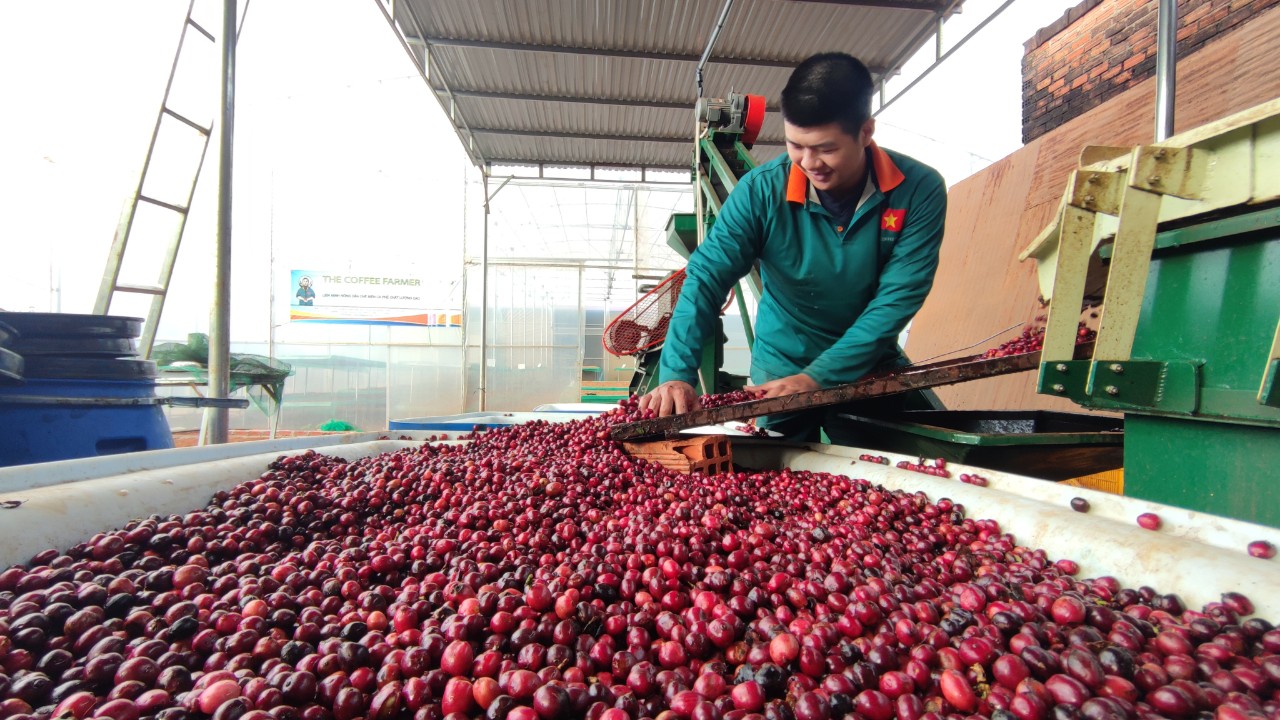
Organizations like the Coffee Quality Institute (CQI) have played a role in setting standards for this category, helping shift Robusta from a purely commercial product to something that can be used more thoughtfully in roasting.
From a practical standpoint, this is highly relevant for UK roasters. Arabica prices have been volatile in recent years due to climate-related issues in major producing countries. According to USDA data, global coffee prices have risen significantly, putting pressure on margins.
Robusta offers a way to balance that.
In the cup, Vietnamese Robusta is bold and full-bodied, with low acidity and familiar notes like chocolate, nuts, and spices. It also contains nearly twice as much caffeine as Arabica, which contributes to its strong, punchy character—something that works very well in espresso.
For roasting, Robusta is usually taken to a medium-dark or dark profile. When used in blends, it helps improve crema, adds structure, and keeps costs under control.
Vietnamese Culi (Peaberry)
Culi, or peaberry, is not a separate coffee variety but a natural mutation. It occurs in about 5–10% of coffee cherries, where only one round bean develops instead of two flat ones.
In Vietnam, Culi is often associated with Robusta and is sorted out during processing for specific uses.

What makes it interesting for roasters is how it behaves during roasting and in the cup. Because the beans are denser and more uniform in shape, they tend to roast more evenly. The result is a cup with a more concentrated flavor, stronger body, and a slightly sweeter finish.
Most roasters don’t use Culi on its own, but it can be a useful addition to a blend. Even a small percentage can add depth and make the overall profile more distinctive.
Green coffee vs Roasted coffee: What UK roasters usually choose?
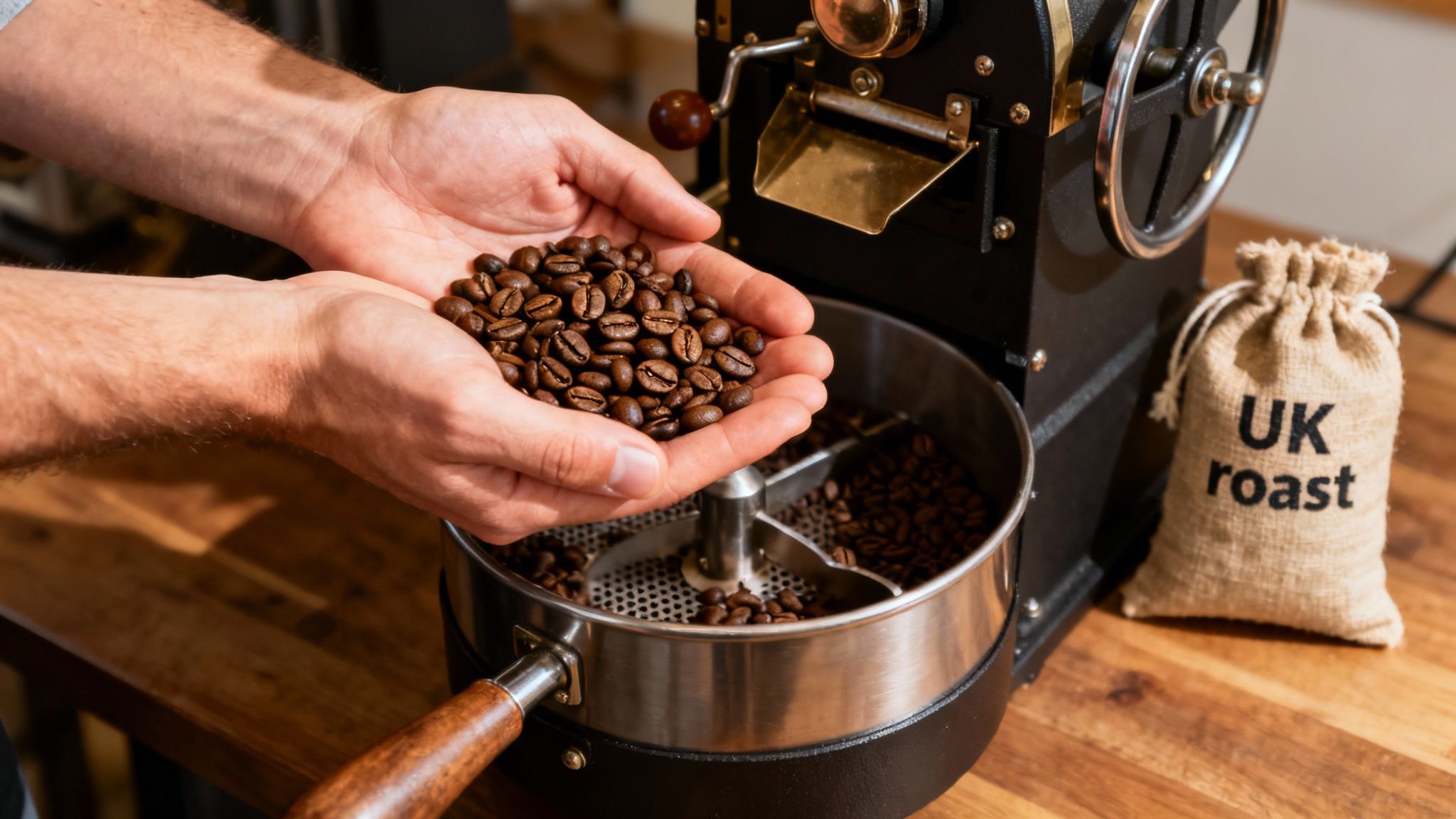
If you’re running a roastery in the UK, importing green coffee is almost always the preferred option.
The main reason is control. Green beans allow you to develop your own roast profile, adjust for your equipment, and stay consistent with your brand. Roasted coffee, on the other hand, limits that flexibility.
There are also practical benefits. Green coffee has a much longer shelf life, which is important when shipping from Vietnam to the UK. It’s also the standard format in global trade—according to the International Trade Centre (ITC), most coffee is traded as green beans rather than roasted.
Roasted coffee can still make sense in some cases, especially for private label or quick market entry. But for most professional roasters, green coffee is the more strategic choice.
Building blends that work for the UK market
Blending is where Vietnamese coffee really becomes valuable.
A common approach is to use Arabica as the base for acidity and aroma, then add Robusta to increase body and crema. This is especially useful for espresso, which remains the dominant format in UK cafés.
For example, a blend with more Arabica will taste smoother and more balanced, which suits specialty cafés. Increasing the Robusta content creates a stronger, more traditional profile that works well in milk-based drinks and high-volume settings.
Culi can be added in smaller amounts to enhance intensity and give the blend a unique edge. This can be useful if you’re trying to create a signature product that stands out.
Blending also helps from a business perspective. By adjusting the ratio between Arabica and Robusta, you can manage your cost per kilogram more effectively—something that matters a lot in today’s market.
Read more: Best coffee blend ratios & How to create the perfect cup?
Why more UK roasters are looking at Vietnam
There are a few clear reasons why Vietnam is getting more attention from UK buyers.
First is supply. Vietnam produces over 1.7 million metric tons of coffee each year, making it one of the most reliable sources globally. For roasters who need consistency in volume, this is a major advantage.
Second is pricing. Even as quality improves, Vietnamese coffee is often still more competitive than beans from Latin America. This gives roasters more room to work with, whether that means improving margins or investing in higher-grade products.
Third is quality. With better processing methods and growing interest in specialty coffee, Vietnam is no longer just about bulk production. There is now a wider range of options that meet the expectations of modern coffee consumers.
Finally, there’s the question of risk. Relying too heavily on a small number of origins can be risky. Adding Vietnam into your sourcing strategy helps diversify your supply and reduce that risk.
Conclusion
Vietnamese coffee has changed a lot in recent years. What was once seen mainly as a volume origin is now a much more versatile and valuable source of coffee.
For UK roasters, it offers a combination that’s hard to ignore: improving quality, stable supply, and competitive pricing. Whether you’re working with Arabica, experimenting with Fine Robusta, or refining a blend with Culi, there is real potential to create products that are both distinctive and commercially viable.
As the market continues to evolve, Vietnam is not just an alternative—it’s becoming a smart, strategic choice for roasters looking to grow.
