
What is Aged Coffee?
Throughout history, aging has enhanced the flavor of many foods and beverages—wine, cheese, and pickles come to mind. Coffee, too, can join this distinguished tradition. Various methods and origins of aged coffee exist, and renewed interest in this unique process has emerged in the specialty coffee market in recent years.
According to Merriam Webster, “aged” describes something that has reached a desirable quality or undergone an expected change over time, like aged wine or aged coffee. While aging elevates flavor in many foods, it’s crucial to understand that not all aged coffee is superior coffee—just as not all aged wine or cheese achieves premium status.
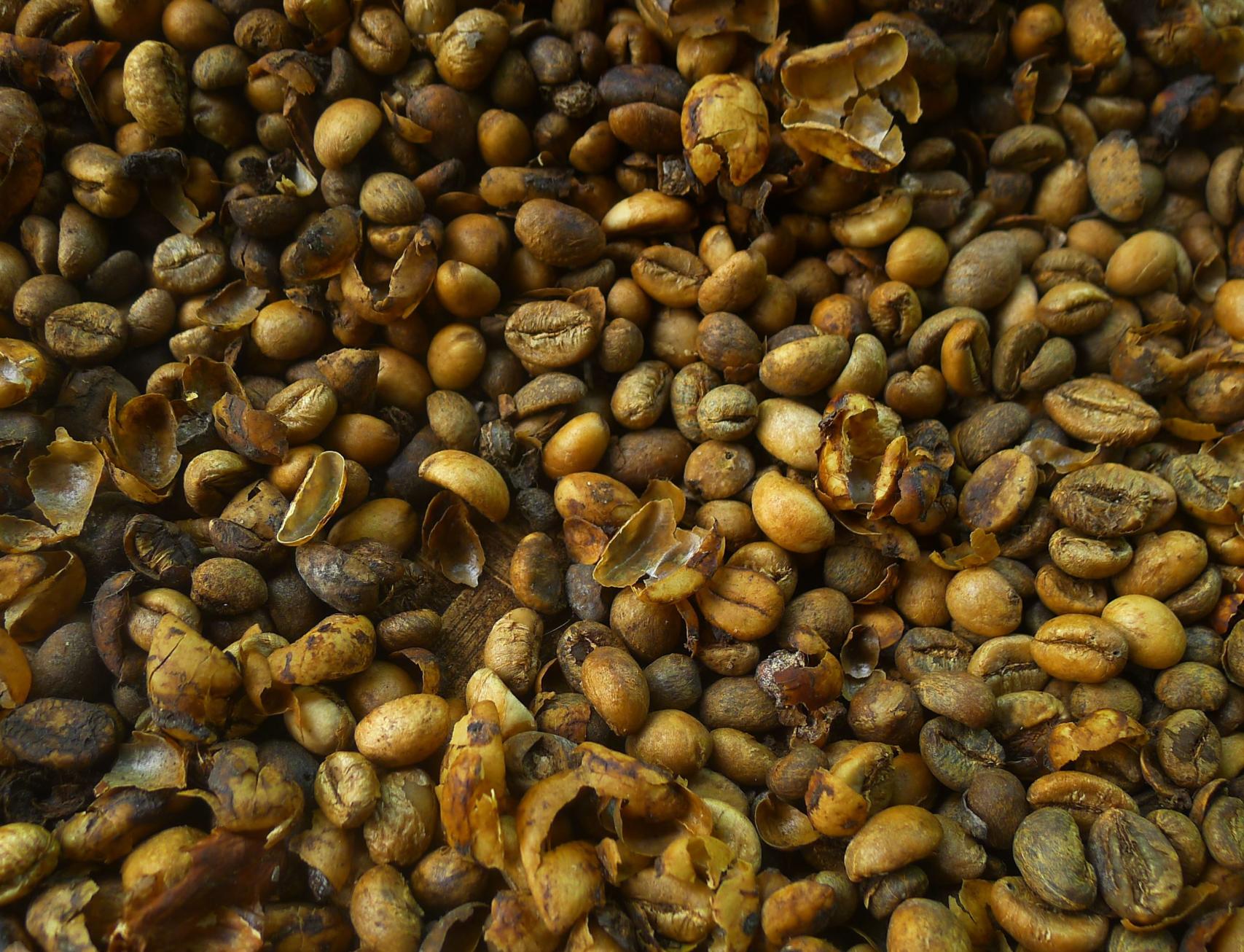
Aged coffee (we prefer this term over “old coffee”) deserves recognition and can command higher prices when processed correctly, creating distinctive and desirable flavor profiles. As these concepts and trends accelerate in the specialty coffee industry, it’s essential to examine their popularity and true significance. Below, we explore the historical origins and separate the hype from reality about aged coffee beans.
The Historical Origins of Aged Coffee Beans
How Europeans Discovered Aged Coffee
When coffee first reached Europe in the 1500s, what Europeans received was inherently aged coffee. At that time, Europe’s coffee supply came from the port of Mocha, in present-day Yemen. The voyage around the Cape of Good Hope could take over a month, during which the sea air and extended shipping time fundamentally altered the coffee’s flavor profile. Europeans became accustomed to drinking coffee that had been aged for at least several months.
Even after maritime logistics improved significantly, most Europeans preferred aged coffee over fresh beans. Coffee historian Antony Wild, in his book “Coffee: A Dark History” (2020), describes this fascinating phenomenon:
Around 1850, coffee shipments left the Malabar coast of India destined for Scandinavian buyers, enduring an extremely long sea voyage. During the multi-month journey around the Cape of Good Hope, through monsoon rains rising from the Arabian Gulf, Arabica coffee beans stored in burlap sacks absorbed moisture in the wooden sailing ships’ holds. Seawater and heavy monsoon moisture caused the coffee beans to swell, undergo chemical changes, and transform from gray-green to golden-yellow, doubling in size while losing density. The flavor characteristics changed dramatically.
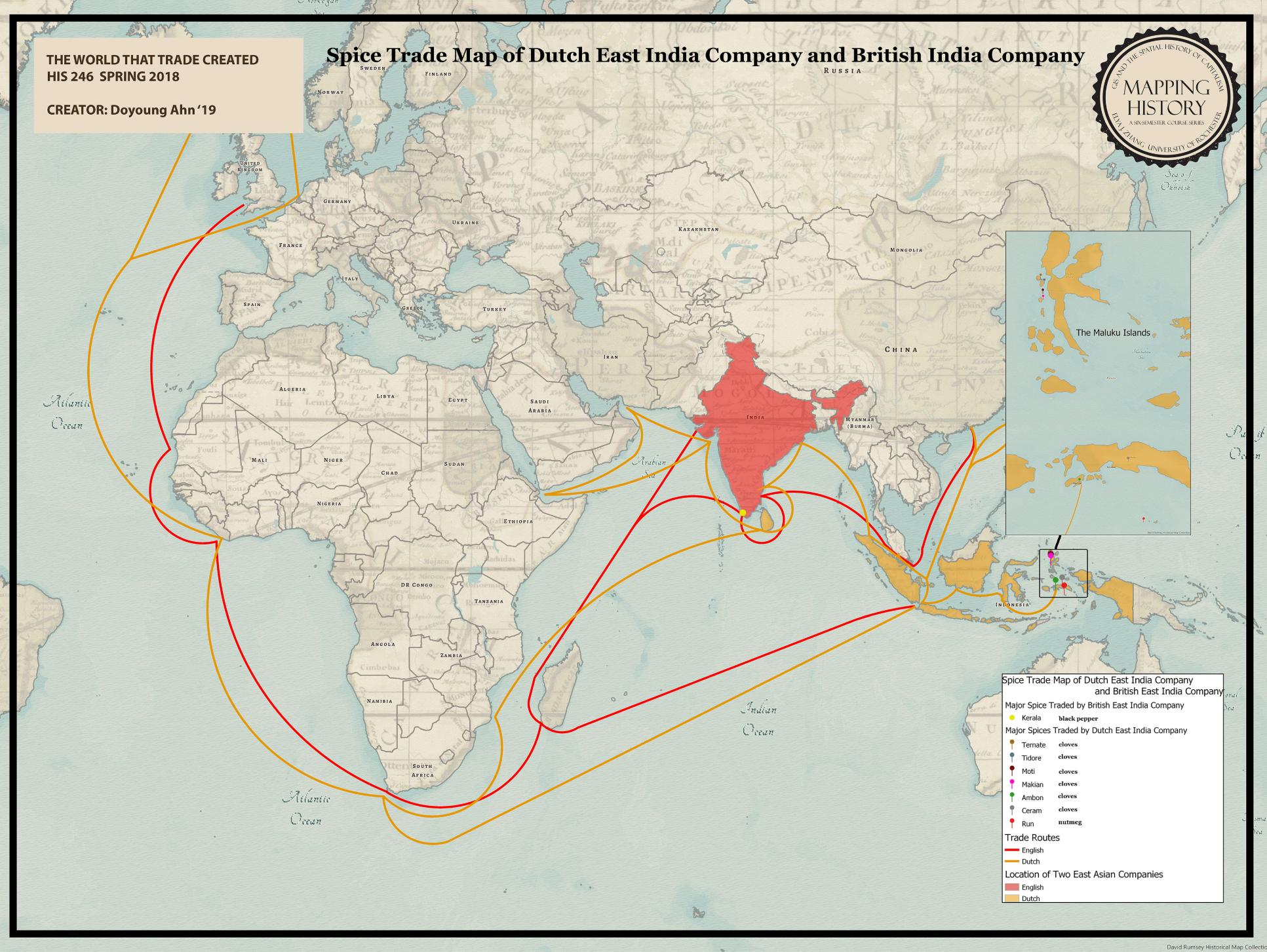
When Scandinavian buyers received these beans, they had grown accustomed to these distinctive flavor characteristics. Years later, when Malabar coffee gained fame in other markets like London, improved shipping logistics and better packaging meant customers no longer experienced the same familiar flavors. This forced Indian producers to reconstruct the processing method (simulating the sea voyage). They dried coffee with high humidity and spread it in piles for many days to recreate that “moldy” quality and retain their established markets.
The Monsooning Process: India’s Gift to Aged Coffee
Understanding Monsooned Malabar Coffee
Three environmental factors—time, humid air, and salty seawater—simultaneously transformed the coffee. Europeans preferred this flavor over fresh coffee. In fact, when the Suez Canal opened in 1869, Europeans largely rejected the fresher, arguably better coffee newly available to them in favor of aged varieties.
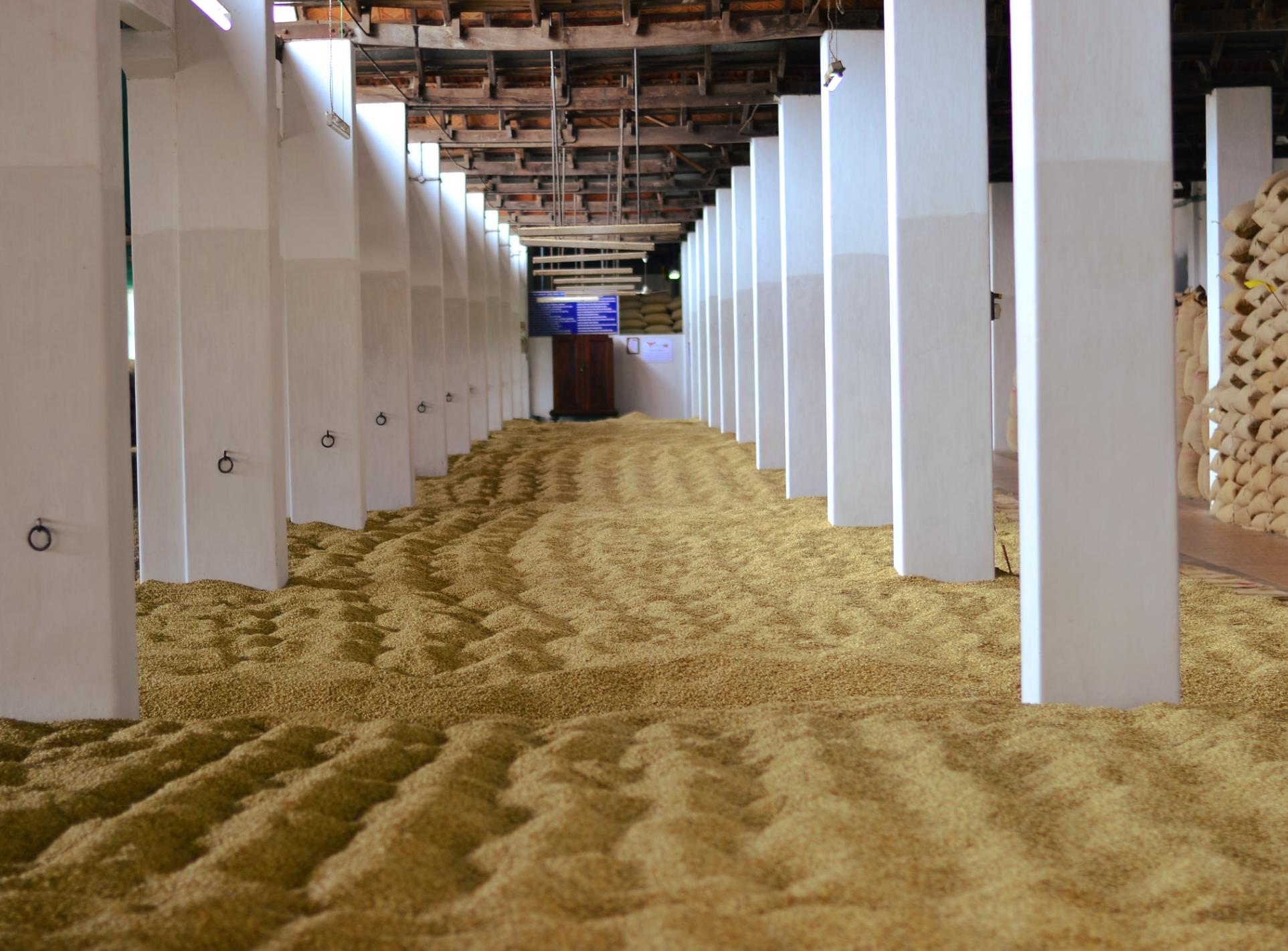
To satisfy loyal consumers, processors recreated the weathering process on land by constructing large, open warehouses. Green coffee from the Malabar coast is now stored in well-ventilated warehouses along India’s southwestern coastal belt, where abundant sea air mimics the aging process European palates had grown to love.
The Traditional Monsooning Method
In the early 1900s, “naturally” monsooned coffee began disappearing as steel-hulled ships replaced old wooden vessels. It took several decades before producers attempted to recreate coffee’s aging effects in India using what’s called the monsooning process.
After harvest from October to February, coffee is dry-processed and stored in well-ventilated warehouses along the Malabar Coast (according to India’s Geographical Indications of Goods). When the monsoon begins in June, coffee beans are exposed to rain and wind for several weeks (12 to 16 weeks). As they absorb moisture, the beans expand, change color, and importantly, lose some acidity. Through this process, coffee achieves the “unique mellowness” that Europeans particularly appreciated.
Coffee produced this way was launched internationally by India in early 1972, even before the specialty coffee movement gathered significant global momentum, under the name Monsooned Malabar.
The Science of Coffee Aging: Green Coffee Bean Transformation
Coffee Aging vs. Coffee Deterioration
Not all aged coffee meets the precise standards of Monsooned Malabar, but there’s a critical difference between intentionally aged coffee and coffee that’s simply old. During the aging process, aromatic and flavor compounds break down through oxidation, with aging intensity varying according to different environmental conditions. This creates additional flavors that weren’t present when the coffee was fresh.
As roasted coffee ages, many insoluble compounds such as cellulose and hemicellulose combine with oxidized lipids and pass through cell membranes. This creates undesirable flavors, making coffee taste flat, musty, and even rancid. From the 17th to 19th centuries, most coffee importers’ work involved identifying these defects—according to William H. Ukers in his classic book “All About Coffee”—and at that time, no one wanted “aged coffee.”
Generally, coffee freshness determines how much flavor and aroma we can taste in a given cup. This means fresher coffee is typically more vibrant and complex. However, it’s important to note that green coffee beans maintain freshness longer than roasted coffee. Most roasters require green coffee to be fresh from 6 to 12 months after harvest and processing.
“Unlike the aging process used for wine, coffee aging is more related to quality reduction than enhancement.” – Dr. Gerson Silva Giomo, Agronomic Institute of Campinas, Brazil
Modern Approaches to Coffee Aging
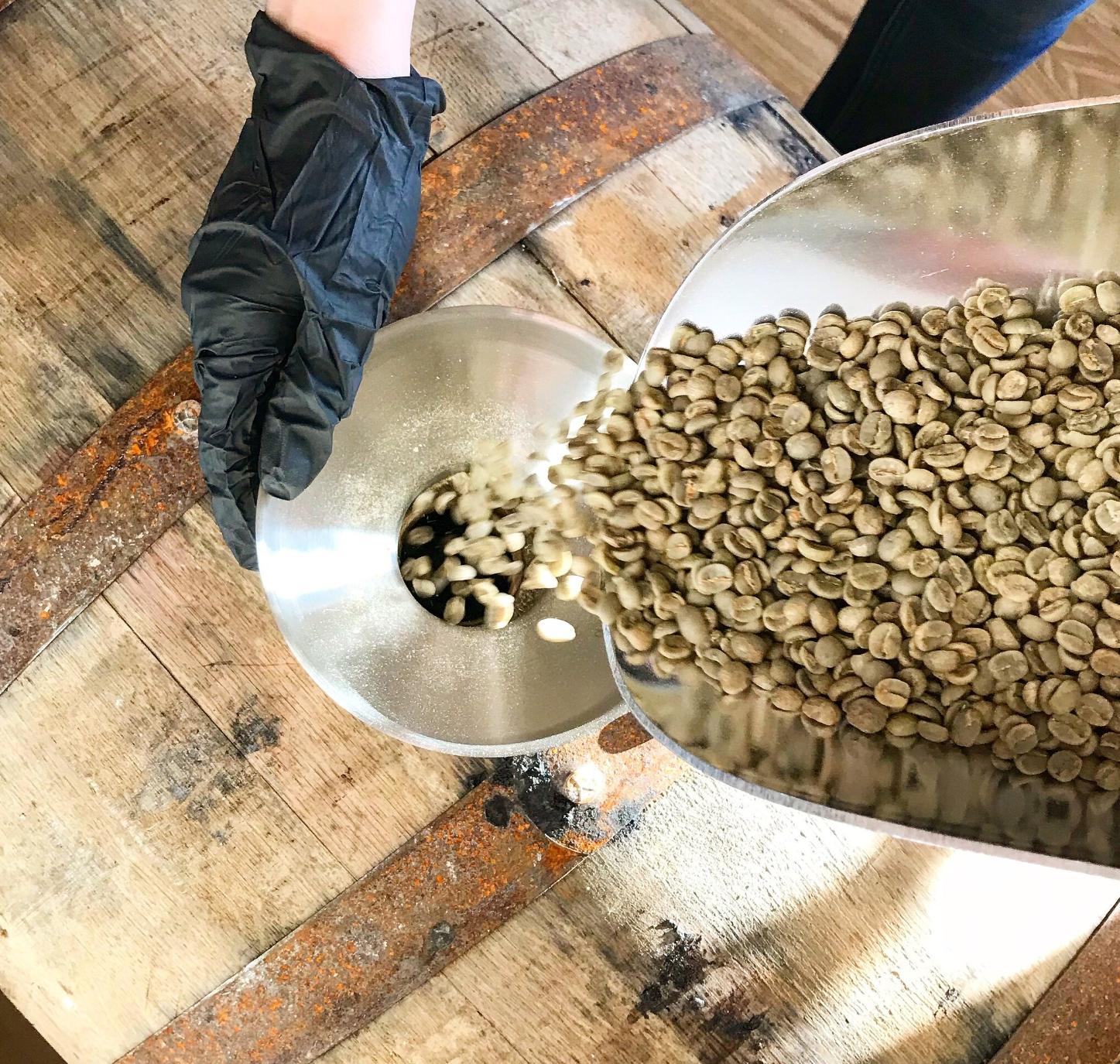
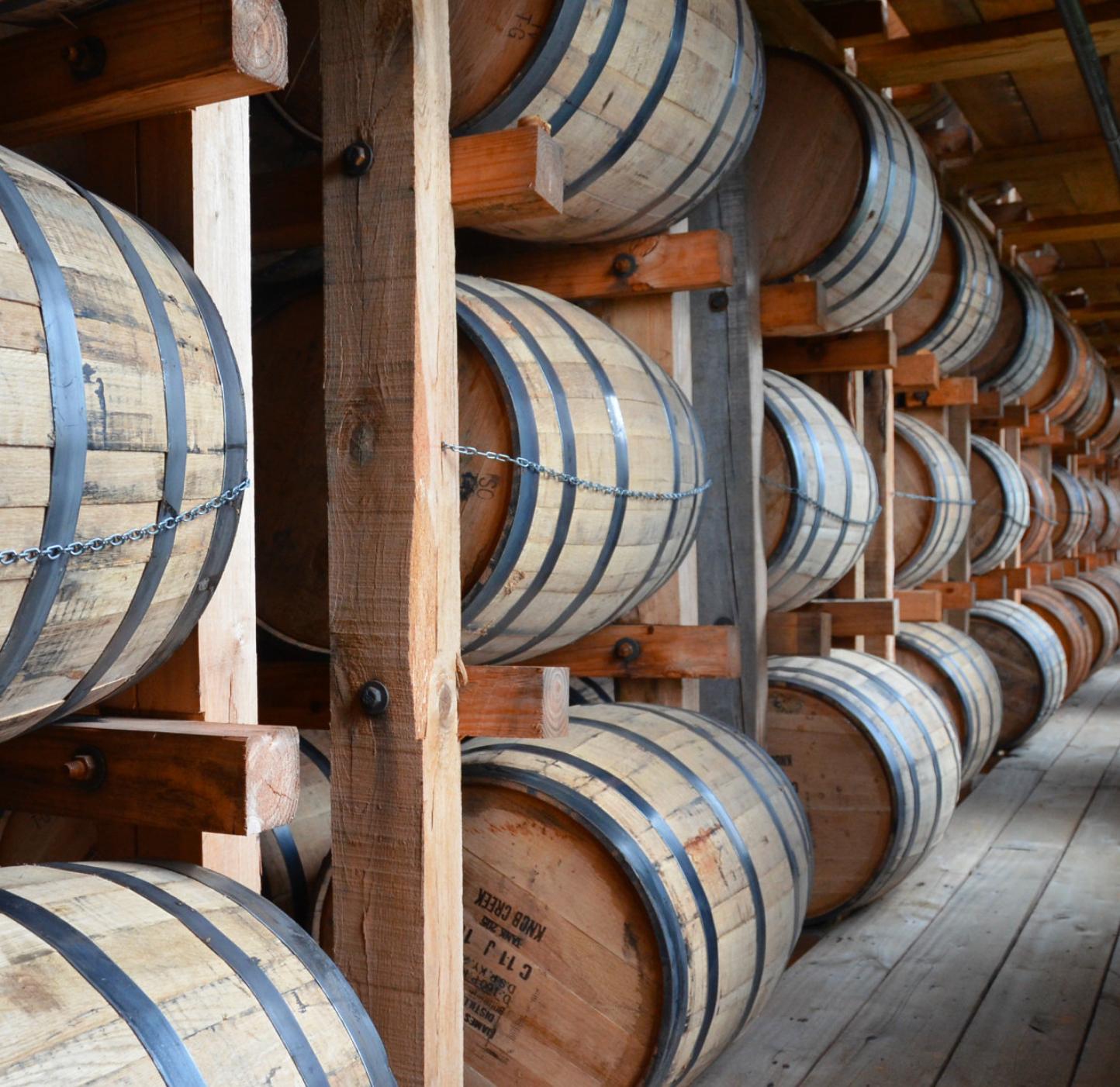
Since Specialty Coffee emerged, the industry mantra for quality has been “fresh is best”—meaning coffee beans should travel from farm to cup as quickly as possible. However, a select few coffee roasters are experimenting with aging their green coffee beans in oak barrels—the same type used to produce beverages like whiskey, wine, rum, and other spirits—seeking optimal flavor profiles. This represents a return to early coffee trading days when coffee beans were transported in whatever empty wooden barrels were available on ships and rafts.
With this method, producers believe that because green coffee beans are highly susceptible to environmental conditions, the wooden staves of the barrel will influence the coffee’s flavor profile. To some extent, aging coffee in barrels gives consumers the impression of a “premium flavor.” However, we present this merely as an example of coffee storage innovation, leaving roasters and their customers to form their own opinions.
Aged Coffee vs. Old Coffee: Buyer Beware
Marketing Hype vs. Reality
Many marketers are inflating aged coffee as a trendy product comparable to aged wine or whiskey. While this is true for some intentionally aged coffees, others are simply old coffee repackaged as a “specialty” item. This is definitely a case of caveat emptor—buyer beware.
While some claim coffee generally has a long shelf life (highly debatable), others argue that older coffee is better—again, highly questionable. Although coffee is among agricultural commodities with good longevity, we still lack valuable scientific research on the benefits of coffee aging. Additionally, most experts agree that coffee doesn’t continue improving with extended age because it simply loses more flavor as it gets older (contrary to what most of us seek). So if you can actually purchase eight-year-old coffee—or older—you probably don’t want to drink it!
The Vietnamese Coffee Advantage
Vietnam, as the world’s second-largest coffee producer, offers exceptional opportunities for both fresh specialty coffee and carefully aged coffee experiments. At Hello 5 Coffee, we specialize in premium Vietnamese coffee for wholesale and export, understanding that quality begins with proper processing, storage, and handling from the moment of harvest.
Types of Aged Coffee and Processing Methods
Natural Aging vs. Controlled Aging
- Natural Aging: This occurs during extended storage under controlled warehouse conditions, where coffee slowly develops mellower, less acidic flavor profiles over 1-3 years.
- Monsooning: The specialized Indian process where beans are exposed to monsoon winds and humidity for 12-16 weeks, creating low-acid, full-bodied coffee with earthy, chocolatey notes.
- Barrel Aging: Modern method where green beans are stored in oak barrels previously used for spirits, imparting subtle woody, vanilla, or whiskey notes to the coffee.
Flavor Profile Development in Aged Coffee
Well-aged coffee typically exhibits:
- Reduced acidity: The bright, sharp notes mellow significantly
- Increased body: Fuller, more syrupy mouthfeel
- Earthy complexity: Notes of wood, tobacco, spice, and chocolate
- Smooth finish: Less aggressive, more balanced taste
- Unique aromatics: Musty, wine-like, or barrel-influenced scents
How to Identify Quality Aged Coffee
Key Indicators of Proper Aging
When sourcing aged coffee for your business or personal enjoyment, look for:
- Transparent sourcing: Reputable suppliers who clearly explain their aging process
- Controlled conditions: Proper humidity, temperature, and airflow management
- Intentional aging: Deliberate processes like monsooning, not simple neglect
- Quality starting material: High-grade green beans before aging begins
- Appropriate duration: Typically 1-3 years for natural aging, 12-16 weeks for monsooning
- Professional storage: Clean, well-ventilated warehouses, not simply forgotten inventory
Red Flags: Avoid These Aged Coffee Mistakes
- Unclear origin or processing details
- Musty, moldy, or off-putting aromas (different from pleasant earthiness)
- Flat, lifeless taste without complexity
- Signs of improper storage (moisture damage, insect infestation)
- Unrealistic age claims (10+ years typically indicates deterioration, not improvement)
Brewing and Tasting Aged Coffee
Best Brewing Methods for Aged Coffee
For Monsooned Malabar and Similar Low-Acid Aged Coffees:
- Espresso: Highlights the full body and low acidity
- French Press: Allows the earthy, heavy notes to shine
- Pour-Over (V60, Chemex): Produces clean cups while maintaining body
- Moka Pot: Creates bold, concentrated flavors
- Cold Brew: Smooth, mellow, perfect for low-acid profiles
Brewing Tips:
- Use a 1:15 to 1:16 coffee-to-water ratio for aged coffee
- Medium to medium-dark roasts work best
- Grind fresh before brewing to preserve unique aromatics
- Water temperature: 195-205°F (90-96°C)
Tasting Notes: What to Expect
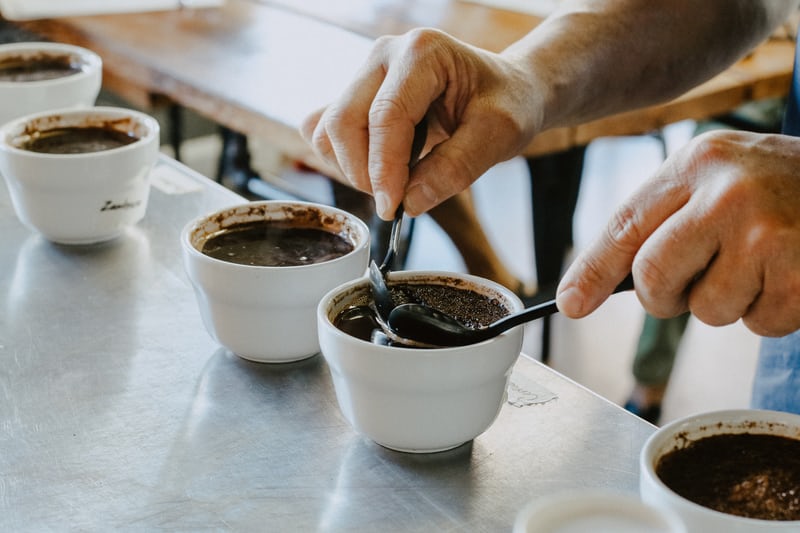
When cupping aged coffee, anticipate:
- Aroma: Earthy, chocolatey, sometimes tobacco or wood
- Flavor: Mellow sweetness, baking spices, nuts, dark chocolate
- Acidity: Very low to non-existent
- Body: Full, creamy, syrupy
- Finish: Long, smooth, sometimes with subtle spice
Aged Coffee in the Modern Specialty Market
Current Trends and Consumer Interest
The specialty coffee industry is rediscovering aged coffee as consumers seek unique flavor experiences beyond the typical bright, fruity profiles. This trend is particularly strong in:
- European markets: Traditional preference for low-acid coffees
- United States: Growing interest in alternative processing methods
- Taiwan and Asia: Appreciation for complex, aged flavors
- Specialty cafés: Using aged coffee for distinctive espresso blends
Commercial Applications for Aged Coffee
Wholesale and Retail Opportunities:
- Premium espresso blends with unique flavor profiles
- Single-origin specialty offerings for discerning customers
- Low-acid options for customers with sensitive stomachs
- Barrel-aged coffees for whiskey/spirits enthusiasts
- Limited-edition seasonal releases
Sourcing Quality Aged Coffee: The Hello 5 Coffee Approach
Vietnamese Coffee Excellence
Vietnam’s coffee industry has matured significantly, moving beyond bulk commodity production to embrace specialty processing and innovative methods. At Hello 5 Coffee, our wholesale Vietnamese coffee focuses on:
Quality Control from Origin:
- Direct relationships with farmers in premier growing regions
- Careful selection of high-grade beans suitable for aging experiments
- State-of-the-art processing facilities with controlled environments
- Transparent supply chain from farm to export
Aging Experiments and Innovation: While Vietnam is renowned for fresh, high-quality Arabica and Robusta, we’re exploring controlled aging methods that respect both tradition and science, ensuring any aged offerings meet strict quality standards.
The Future of Aged Coffee
Balancing Tradition and Innovation
In conclusion, aged coffee can represent an exciting frontier in specialty coffee’s flavor exploration as the industry seeks innovation. Not all aged coffee is lower quality—when done correctly, it offers distinctive and enjoyable characteristics.
However, old or aged coffee is more likely to have lost most of its flavor and aroma, leading to profiles historically rejected in the marketplace. The more we can appreciate these coffees for what they are—unique expressions of time, environment, and intention—the better. While the flavor profile may not appeal to everyone, it can offer a novel experience for adventurous coffee consumers and those seeking lower-acid alternatives.
Key Takeaways for Buyers
When Considering Aged Coffee:
- ✓ Seek transparent sourcing and processing information
- ✓ Understand the difference between intentionally aged and simply old
- ✓ Start with small quantities to test market reception
- ✓ Partner with reputable suppliers like Hello 5 Coffee who prioritize quality
- ✓ Educate your customers about the unique characteristics
- ✓ Consider aged coffee as a specialty offering, not a mainstream replacement
For Wholesale Buyers: Aged coffee represents a niche market opportunity with passionate consumers willing to pay premium prices for authentic, well-processed aged beans. Whether you’re interested in traditional monsooned coffee or exploring Vietnamese coffee aging experiments, partnering with knowledgeable suppliers ensures you receive genuine products that meet specialty coffee standards.
About Hello 5 Coffee
Hello 5 Coffee specializes in premium Vietnamese coffee for wholesale and export markets worldwide. We work directly with farmers in Vietnam’s finest coffee-growing regions to deliver exceptional quality green beans, specialty processed coffees, and innovative products to roasters and distributors globally.
Our Commitment:
- Premium Arabica and Robusta from Vietnam’s best regions
- Transparent supply chain and full traceability
- Innovative processing methods while respecting tradition
- Competitive wholesale pricing for bulk orders
- Expert support for international shipping and logistics
- Quality consistency across all shipments
Contact us to discuss your Vietnamese coffee needs, whether fresh specialty beans or aged coffee experiments. We’re committed to helping you discover Vietnam’s coffee excellence.
