For many coffee lovers around the world, that morning cup isn’t just about taste—it’s about getting that energy boost to power through the day. The secret behind coffee’s energizing effect? Caffeine, a natural compound that’s been helping people stay alert and focused for centuries.
Whether you call it caffeine, theine, or guaranine, this remarkable substance is what makes coffee such a powerful ally in our daily lives. At Hello 5 Coffee, we believe that understanding caffeine helps you make better choices about the coffee you drink. In this comprehensive guide, we’ll explore everything you need to know about caffeine in coffee, from what it does to your body to how different brewing methods affect its concentration.
What exactly is caffeine?
Caffeine is a naturally occurring stimulant found in numerous plants worldwide. While it appears in tea leaves, cacao beans, and guarana berries, coffee beans contain some of the highest concentrations available in nature. This white, crystalline substance has no smell but carries a distinctly bitter taste—something you might notice when drinking very strong coffee.
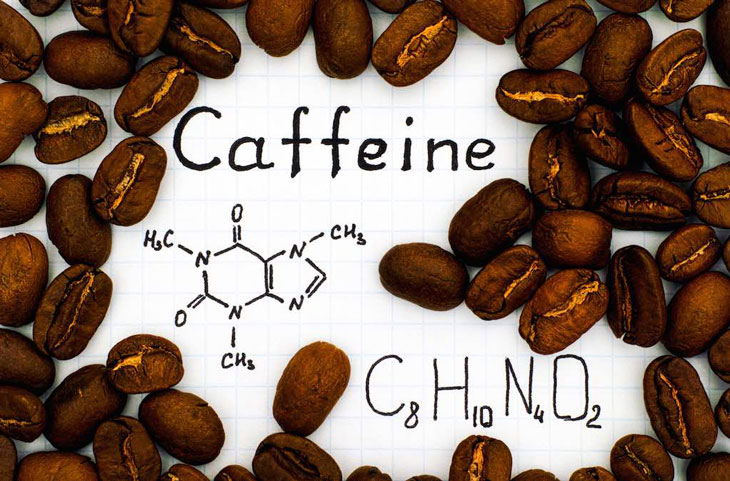
From a scientific perspective, caffeine belongs to a group of compounds called methylxanthines. Its primary job in your body is to block adenosine receptors in your brain. Adenosine is the chemical that makes you feel tired, so when caffeine blocks it, you naturally feel more awake and alert. It’s like temporarily removing the “sleepy” signal your brain sends out.
How caffeine affects your body
Once you take that first sip of coffee, caffeine begins its journey through your digestive system. Your stomach and small intestine quickly absorb it into your bloodstream, where it starts working its magic on your central nervous system—your brain, nerves, and spinal cord.
The timeline of caffeine
- First 15 minutes: You start feeling more alert as caffeine enters your bloodstream
- 30-60 minutes: Caffeine levels peak in your blood—this is when you feel most energized
- 3-5 hours: Your body has processed about half the caffeine (this varies by person)
- 6-10 hours: Most caffeine has been eliminated from your system
The benefits
When consumed responsibly, caffeine offers several positive effects:
- Increased alertness: That foggy morning feeling disappears
- Better focus: Concentration improves noticeably
- Enhanced physical performance: Your endurance gets a boost
- Reduced fatigue: You can push through tasks more easily
The downsides
However, caffeine isn’t without its drawbacks. Some people experience:
- Stomach acid production leading to heartburn
- Digestive discomfort or upset stomach
- Jitters or anxiety when consuming too much
- Sleep disruption if consumed late in the day
Interestingly, caffeine is also commonly included in over-the-counter pain relievers and cold medications. It helps these medicines work more effectively and speeds up how quickly your body absorbs headache treatments.

Daily caffeine limits: How much is safe?
Medical experts and health organizations have studied caffeine extensively to determine safe consumption levels. Here’s what the research tells us:
For healthy adults
The general consensus among caffeine researchers is that 300-400mg per day is safe for most adults. To put this in perspective, that’s roughly equivalent to:
- 3-4 cups of regular brewed coffee
- 5-6 shots of espresso
- 4-5 cups of Vietnamese phin coffee
For teenagers (ages 13-18)
Growing bodies process caffeine differently, so the recommendation is much lower: no more than 100mg per day, equivalent to about one cup of coffee.
For pregnant women
The UK’s National Health Service (NHS) and similar health organizations worldwide recommend that pregnant women limit caffeine to 100-200mg daily (about 1-2 cups of coffee). High caffeine consumption during pregnancy has been linked to:
- Lower birth weight in babies
- Increased risk of health complications later in life
- Potential miscarriage risk
Calculating your personal limit
Your ideal caffeine intake actually depends on your body weight. Here’s a simple formula many nutritionists use:
Safe caffeine intake = 6mg × your body weight in kg
For example, if you weigh 70kg (154 lbs), your safe daily limit would be approximately 420mg of caffeine. However, this is an upper limit—you don’t need to consume this much to feel caffeine’s benefits.

What determines caffeine levels in your cup
Several factors influence how much caffeine ends up in your coffee. Understanding these helps you choose the right coffee for your needs.
Coffee variety: The biggest factor
Not all coffee beans are created equal when it comes to caffeine content. The variety of coffee plant makes a massive difference:
Robusta coffee is the heavyweight champion of caffeine. These beans contain roughly twice as much caffeine as Arabica beans. This is why Robusta coffee tends to taste more bitter and feels stronger. The high caffeine content actually serves a purpose in nature—it acts as a natural pesticide, helping the coffee plant resist insects and diseases.
Vietnamese coffee, which Hello 5 Coffee specializes in, is predominantly Robusta. This is why traditional Vietnamese coffee has that characteristic bold, powerful flavor that coffee lovers around the world appreciate.
Arabica coffee contains less caffeine but offers more complex, nuanced flavors. These beans grow at higher altitudes and develop more sugars and aromatic compounds, resulting in sweeter, fruitier, or more floral notes.
Other varieties like Typica and Moka contain even less caffeine than standard Arabica, making them ideal for people who are sensitive to caffeine but still want to enjoy coffee.
Ranking by caffeine content (highest to lowest)
When comparing similar roasting levels and brewing methods:
- Peaberry Robusta (Culi) – Highest caffeine content
- Standard Robusta – Very high caffeine
- Arabica – Moderate caffeine
- Typica – Lower caffeine
- Moka – Lowest caffeine
A cup of pure Robusta delivers a heavy, intense bitterness that can sometimes feel overwhelming—what some call “coffee intoxication.” In contrast, lower-caffeine coffees like Arabica offer a more balanced, approachable drinking experience.
The roasting factor: Dark doesn’t mean strong
Here’s a common misconception: many people believe that darker roasted coffee contains more caffeine. The truth is actually the opposite.
Think of it like cooking vegetables—the longer you cook them, the more nutrients break down. Coffee works the same way. The roasting process exposes coffee beans to high temperatures (typically 215-230°C or 419-446°F), and these temperatures gradually reduce caffeine content.
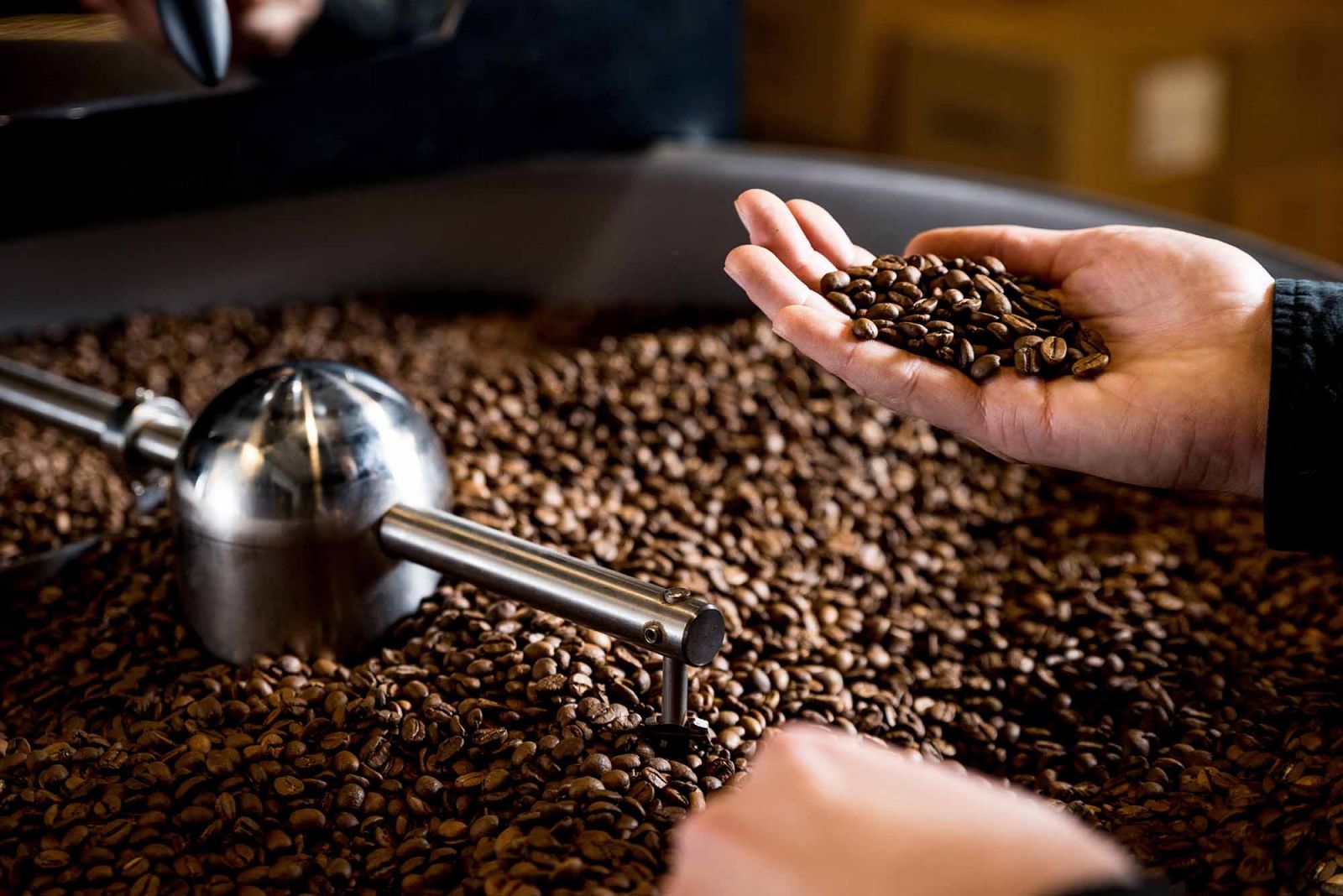
How roast level affects caffeine
Light roast coffee (pale brown, dry surface):
- Retains the most caffeine
- Features brighter, more acidic flavors
- Preserves more of the bean’s original characteristics
Medium roast coffee (medium brown, balanced appearance):
- Moderate caffeine retention
- Balanced acidity and body
- Most popular roast level worldwide
Dark roast coffee (dark brown to almost black, oily surface):
- Lowest caffeine content (though still substantial)
- Bold, smoky, bitter flavors
- Dominant roasted notes
The difference isn’t dramatic—dark roast might contain 5-10% less caffeine than light roast—but it’s measurable. So why do dark roasts feel stronger? Because of their intense, bitter flavor profile, not their caffeine content.
Choosing roast level for your needs
If you’re specifically looking to maximize caffeine intake, choose lighter roasts. However, if you enjoy the rich, bold flavors of dark roasted coffee and don’t mind slightly less caffeine, there’s no reason to change your preference.
Brewing methods matter: Same beans, different caffeine
Even using identical coffee beans, different brewing methods extract varying amounts of caffeine. This is crucial to understand when calculating your caffeine intake.
Drip coffee / Pour over
- Volume: Typically 236-240ml (8oz)
- Caffeine content: 65-120mg per cup
- Concentration: Approximately 8-15mg per ounce
This is what most people think of as “regular coffee.” The hot water passes through ground coffee relatively quickly (3-4 minutes), extracting a moderate amount of caffeine into a larger volume of water.
Espresso
- Volume: About 30ml (1oz) per shot
- Caffeine content: 30-50mg per shot
- Concentration: 30-50mg per ounce
Here’s where it gets interesting. While a single espresso shot contains less total caffeine than a full cup of drip coffee, espresso is actually more concentrated. Ounce for ounce, espresso delivers 2-3 times more caffeine than drip coffee.
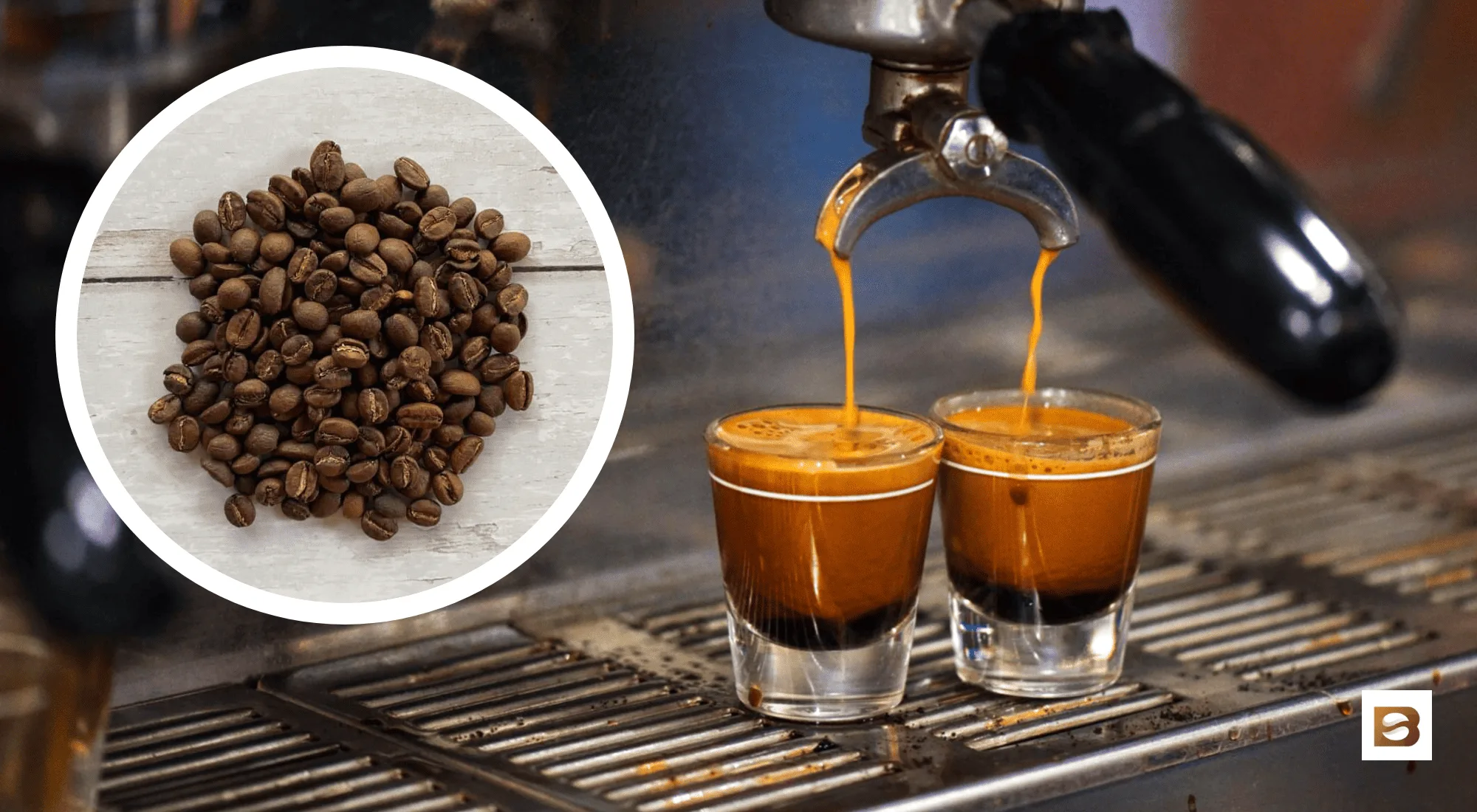
This means that if you drink three shots of espresso, you’re consuming roughly the same amount of caffeine as one 8oz cup of drip coffee—but in much less liquid.
Vietnamese phin coffee
- Volume: 70-100ml
- Caffeine content: 100-150mg per serving
- Concentration: Very high
Traditional Vietnamese phin brewing creates an intensely concentrated coffee. The slow drip method, combined with Robusta beans’ naturally high caffeine content, produces one of the strongest coffees in the world. This is why Vietnamese coffee is often served with condensed milk—to balance the powerful flavor and caffeine hit.
French press
- Volume: 240ml (8oz)
- Caffeine content: 80-135mg per cup
- Concentration: Similar to drip coffee
French press allows coffee grounds to steep in hot water for 4-5 minutes, resulting in fuller extraction. Since no paper filter is used, more oils and compounds (including caffeine) make it into your cup.
Cold brew
- Volume: 240ml (8oz)
- Caffeine content: 150-250mg per cup
- Concentration: Highest of all methods
Cold brew’s extended steeping time (12-24 hours) compensates for the lack of heat, extracting massive amounts of caffeine. This is the strongest option for caffeine seekers, though it’s also the smoothest tasting due to lower acidity.
Making informed choices at Hello 5 Coffee
Understanding caffeine helps you choose the perfect coffee for any situation:
- Need maximum energy? Choose our premium Robusta or Peaberry beans, use a light to medium roast, and brew with French press or cold brew methods.
- Prefer milder effects? Select our specialty Arabica offerings, opt for darker roasts, and use pour-over brewing with a paper filter.
- Looking for balance? Try our carefully crafted Arabica-Robusta blends that offer complexity with moderate caffeine levels.
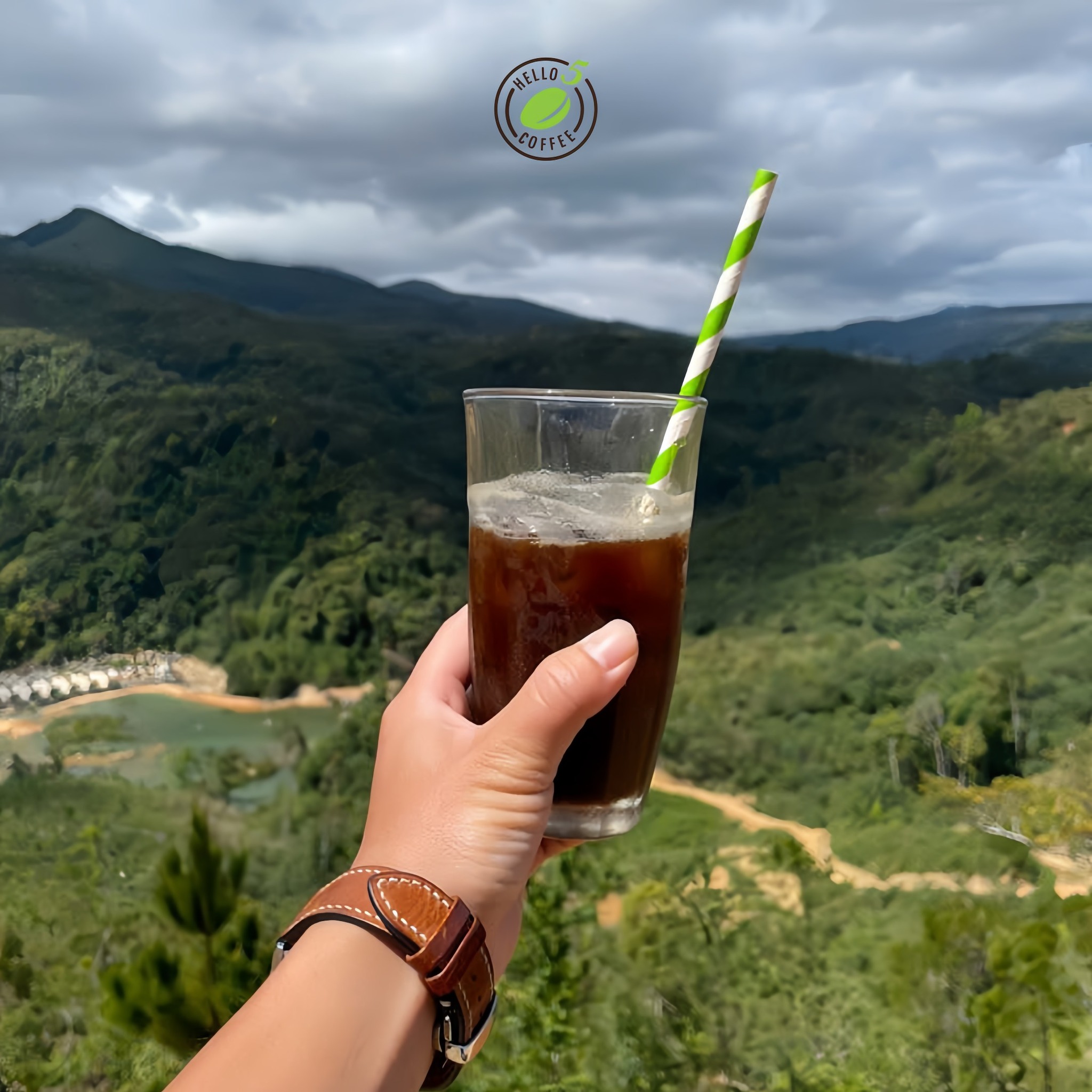
At Hello 5 Coffee, we’re proud to offer premium Vietnamese coffee to the world. Our Robusta beans represent the finest quality from Vietnam’s central highlands, while our emerging Arabica and specialty selections showcase the diversity of Vietnamese coffee culture.
Whether you’re a coffee shop owner, a distributor, or simply a coffee enthusiast exploring wholesale options, we’re here to help you find the perfect beans for your needs.
References and further reading
- National Coffee Association (NCA) – Caffeine and Coffee
- UK National Health Service (NHS) – Pregnancy and Caffeine Guidelines
- International Journal of Food Sciences – Caffeine Content Studies
- Coffee Chemistry Research – Extraction Methods Analysis
Ready to experience authentic Vietnamese coffee? Contact Hello 5 Coffee today to discuss our premium wholesale and export options.
