
Caffeine is the soul of every cup of coffee, providing the energy source that helps you stay alert throughout the day. However, not everyone knows that the caffeine content in each type of coffee bean can differ by up to double. Understanding caffeine not only helps you choose the right type of coffee for your health but also optimizes your tasting experience.
What is caffeine and why is it important?
Caffeine (1,3,7-trimethylxanthine) is a natural alkaloid found in more than 60 plant species, especially common in coffee beans. This compound works as an adenosine antagonist, blocking adenosine receptors in the brain, thereby reducing feelings of fatigue and increasing alertness.
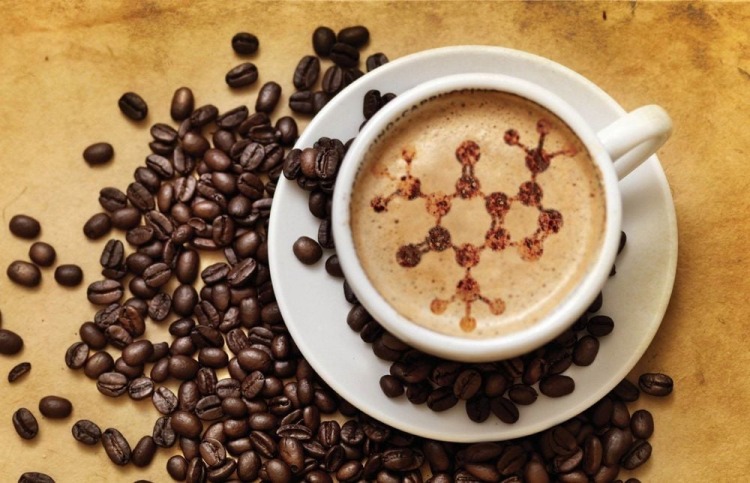
According to research by the U.S. National Institutes of Health (NIH), caffeine begins to take effect after 15-45 minutes and peaks within about 1 hour after consumption. The half-life of caffeine in the body ranges from 3-7 hours, depending on the individual.
Benefits of caffeine when used at the right dose
- Enhanced cognition: Improves concentration, short-term memory, and reaction time
- Improved physical performance: Increases endurance and stamina during physical activities
- Supports metabolism: Stimulates the energy burning process, helps with weight control
- Reduces risk of certain diseases: Studies show that regular coffee consumption can reduce the risk of Parkinson’s disease, Alzheimer’s, and some types of cancer
Detailed comparison table of caffeine content in different coffee types
| Coffee Type | Main Origin | Bean Characteristics | Flavor Profile | Caffeine (mg/30ml shot) | Caffeine (mg/240ml cup) | Bitterness Level | Common Applications |
|---|---|---|---|---|---|---|---|
| Arabica | Ethiopia, Colombia, Brazil, Central America | Oval beans, larger, with S-shaped groove | Fruity, caramel, chocolate, light acidity, complex | 60-80 | 95-140 | Low-Medium | Espresso, pour over, cold brew, specialty coffee |
| Robusta | Vietnam, Indonesia, Uganda, India | Round beans, smaller, straight groove | Strong bitterness, earthy, nutty, woody, dark chocolate | 100-150 | 150-200 | High | Espresso blend, Vietnamese phin coffee, instant coffee |
| Peaberry (Culi) | Vietnam, Tanzania, Hawaii | Round single bean (natural mutation) | Balanced between acidity and bitterness, full-bodied, long aftertaste | 70-100 | 120-160 | Medium | Vietnamese phin coffee, espresso, specialty blend |
| Catimor | Vietnam, Southeast Asia, Central America | Hybrid bean between Caturra and Timor | Moderate bitterness, less acidity, slightly woody, chocolate | 75-95 | 110-150 | Medium-High | Commercial coffee, instant, blend |
| Liberica | Malaysia, Philippines, West Africa | Large and uneven beans, asymmetrical shape | Smoky, woody, tropical fruits, distinctive strong | 50-70 | 90-130 | Low-Medium | Specialty coffee, traditional coffee |
| Excelsa | Southeast Asia, Central Africa | Medium beans, oval shape | Bright tart acidity, dark fruits, slightly smoky | 55-75 | 95-135 | Medium | Blending, adding complexity |
Detailed explanation of each coffee type
Arabica (Coffea arabica) accounts for about 60-70% of global coffee production. This is the most highly regarded coffee type with delicate and complex flavors. Arabica is typically grown at altitudes from 600-2000m, with cooler climate conditions helping beans develop more slowly and accumulate more natural sugars. Caffeine content is lower than Robusta (about 1.2-1.5% of dry bean weight) but compensates with flavor complexity.
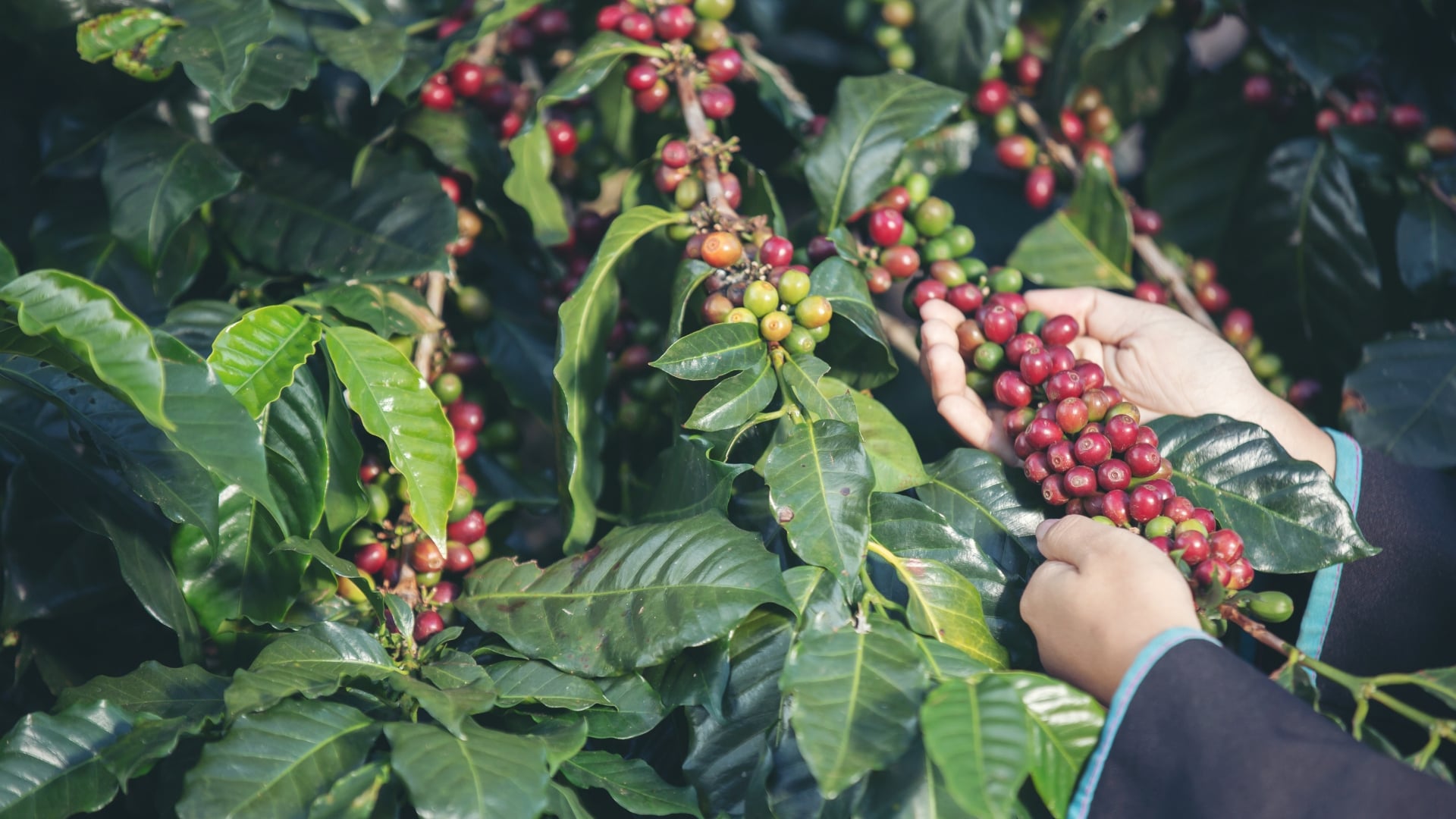
Robusta (Coffea canephora) is stronger and more resilient, more resistant to pests and diseases, and has higher yields. Caffeine content is double that of Arabica (about 2.2-2.7% of dry bean weight), creating a distinctive bitter taste. Vietnam is the world’s largest Robusta producer with over 40% of global market share. Robusta is typically grown in lowland areas (200-800m) with hot and humid climates.
Peaberry (Culi) is not a separate coffee variety but a natural mutation occurring in about 5-10% of coffee cherries. Instead of having 2 flat beans in each cherry, Peaberry has only 1 round bean. Because it absorbs all the nutrients from the cherry, Peaberry typically has higher density and more intense flavor. In Vietnam, Robusta Peaberry is highly favored for its balanced bitterness.
Catimor is a hybrid variety between Caturra (an Arabica variant) and Timor Hybrid (a cross between Arabica and Robusta), developed to resist coffee leaf rust. Catimor combines some characteristics of both Arabica and Robusta, with good adaptability to Vietnamese conditions. However, many experts rate Catimor as having less flavor complexity than pure Arabica.
Liberica and Excelsa are two less common coffee varieties but are gaining renewed interest in the specialty coffee wave. Liberica has the largest beans among commercial coffee types, with unique flavors hard to find in other types. Excelsa (considered a variant of Liberica) brings bright fresh acidity and is mainly used for blending.
Factors affecting caffeine content
1. Coffee variety and genetics
Caffeine content is primarily determined by the genetics of each coffee variety. Robusta evolved with higher caffeine content as a natural defense mechanism against pests and diseases, as caffeine is toxic to many harmful species.
2. Growing conditions
- Altitude: Coffee grown at higher altitudes typically has lower caffeine content but more complex flavors
- Temperature: Low temperatures slow the development process, affecting caffeine accumulation
- Rainfall and light: Moderate stress conditions can increase caffeine content
- Soil: Mineral composition in soil affects bean quality
3. Processing methods
- Washed process: Removes fruit flesh before drying, creates clean flavor, bright acidity
- Natural process: Dries whole cherry, caffeine and sugars from fruit flesh penetrate the bean, creating natural sweetness
- Honey/Pulped natural process: Retains some fruit mucilage, balances between the two methods above
4. Roast level
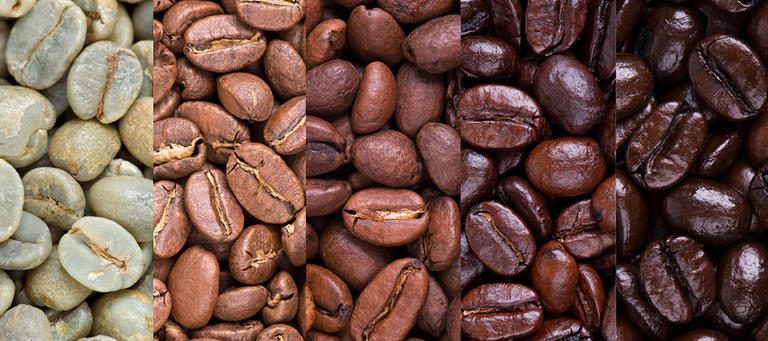
A common misconception is that dark roast coffee has more caffeine. In reality, the roasting process slightly reduces caffeine content (about 5-10% compared to green beans) due to high temperatures. However, the difference is not significant:
- Light roast: 60-80mg caffeine/shot, retains most of the bean’s original flavors
- Medium roast: 70-85mg caffeine/shot, balances between acidity and bitterness
- Dark roast: 55-75mg caffeine/shot, prominent bitterness, less acidity
The reason dark roast coffee feels stronger is due to bitterness, not caffeine.
5. Brewing method
This is the most important factor determining the amount of caffeine in your cup of coffee:
Espresso (30ml shot)
- Extraction time: 25-30 seconds
- Water temperature: 90-96°C
- Pressure: 9 bar
- Caffeine: 60-150mg depending on bean type
- Ratio: Although espresso has the highest caffeine concentration (mg/ml), a small shot still contains less caffeine than a large filter cup
Vietnamese Phin Coffee (70-100ml)
- Extraction time: 3-5 minutes
- Water temperature: 95-100°C
- Caffeine: 80-150mg
- Characteristics: Due to long contact time and high temperature, phin extracts more caffeine
Pour Over/Filter (240ml)
- Extraction time: 2.5-4 minutes
- Water temperature: 90-96°C
- Caffeine: 95-165mg
- Characteristics: Even extraction, bright, clean flavor
French Press (240ml)
- Extraction time: 4-5 minutes
- Water temperature: 93-96°C
- Caffeine: 100-175mg
- Characteristics: Not filtered through paper so retains more oils and caffeine
Cold Brew (240ml)
- Extraction time: 12-24 hours
- Water temperature: Cold (2-10°C)
- Caffeine: 150-250mg
- Characteristics: Long time compensates for low temperature, produces highest caffeine content
Instant Coffee (240ml)
- Caffeine: 30-90mg
- Characteristics: Lowest due to processing
Safe caffeine dosage according to medical recommendations
According to the U.S. Food and Drug Administration (FDA) and the World Health Organization (WHO), safe caffeine consumption is:
Healthy adults
- Maximum: 400mg caffeine/day (about 3-4 cups of coffee)
- Recommended: 200-300mg/day to avoid dependence
- Best timing: Drink before 2 PM to not affect sleep
Pregnant women
- Maximum: 200mg caffeine/day (about 1-2 cups)
- Note: Should consult with obstetrician
People sensitive to caffeine
- Recommended: Under 200mg/day
- Sensitivity signs: Anxiety, rapid heartbeat, hand tremors after consuming little caffeine
Children and adolescents
- 12-18 years old: No more than 100mg/day
- Under 12 years old: Caffeine consumption not recommended
Side effects of consuming too much caffeine
When consuming more than 500mg caffeine/day, you may experience:
- Insomnia or poor sleep quality
- Anxiety, restlessness, tension
- Rapid heartbeat, palpitations
- Digestive disorders, heartburn, stomach pain
- Headaches (when abruptly stopping caffeine)
- Hand tremors, difficulty concentrating
- Temporary blood pressure increase
- Dehydration (caffeine has mild diuretic effects)
Guide to choosing coffee based on caffeine needs
If you want maximum energy boost
- Choose: Robusta, Cold Brew, or French Press with Robusta
- Timing: Morning or before exercise
- Note: Don’t drink after 2 PM if you’re sensitive to sleep
If you’re sensitive to caffeine
- Choose: Arabica, medium to dark roast, brew more diluted
- Or: Decaf (decaffeinated coffee contains 2-5mg/cup)
- Method: Pour over with less coffee, diluted
If you like strong flavor but less caffeine
- Choose: Dark roast Arabica
- Method: Espresso (drink only 1 shot instead of a large cup)
- Blend: 70% Arabica + 30% Robusta for balance
If you want to enjoy refined flavors
- Choose: Single origin Arabica, light to medium roast
- Method: Pour over, V60, Chemex
- Origin: Ethiopia (fruity, floral), Colombia (caramel, nutty), Kenya (citric acidity, berry)
Tips for adjusting caffeine content in coffee
To increase caffeine
- Choose Robusta or blend with high Robusta ratio
- Use more coffee grounds (higher coffee/water ratio)
- Grind finer to increase contact surface
- Extend extraction time
- Use hotter water (close to 100°C)
- Choose French Press or Cold Brew method
To reduce caffeine
- Choose Arabica or decaf
- Reduce amount of coffee grounds
- Grind coarser
- Shorten brewing time
- Dilute with water or milk
- Choose Pour Over method with thick filter paper
“Caffeine rinse” technique
A little-known tip: Pour hot water over coffee grounds for 30 seconds, discard this water, then brew normally. This technique removes about 30-40% of caffeine (as caffeine dissolves quickly in water) but still retains most of the flavor.
Vietnamese coffee – Caffeine characteristics
Vietnam is the world’s second-largest coffee producer, with Robusta accounting for up to 95% of production. This creates unique characteristics for Vietnamese coffee culture:
Traditional Vietnamese Phin Coffee
- Caffeine content: 100-150mg/cup (70-100ml)
- Characteristics: Thick, strong bitterness, usually served with condensed milk
- Reasons: Robusta + long brewing time + high concentration
Specialty coffee trends in Vietnam
In recent years, Arabica and modern brewing methods have become more popular, especially among young people:
- Arabica from Da Lat, Cau Dat, Son La
- High-quality Robusta Peaberry
- Scientific Arabica-Robusta blends
Frequently asked questions (FAQ)
1. Does dark roast coffee have more caffeine than light roast?
Not true. Dark roast coffee may have slightly less caffeine (about 5-10%) because the roasting process slightly reduces caffeine content. However, this difference is not significant. The “stronger” feeling of dark roast coffee comes from bitterness, not caffeine.
2. Does espresso have more caffeine than filter coffee?
Per ml, espresso has higher caffeine concentration (about 60-150mg/30ml). However, a standard filter cup (240ml) typically contains more caffeine than one espresso shot because the volume is much larger.
3. Is cold brew the coffee type with the most caffeine?
Yes. Due to the very long extraction time (12-24 hours), cold brew typically contains the most caffeine, ranging from 150-250mg/240ml cup, and can even be higher depending on the recipe.
4. Is decaf coffee completely caffeine-free?
No. Decaf coffee still contains about 2-5mg caffeine/cup (97-99% of caffeine removed). This is a very small amount, negligible for most people.
5. How do I know if I’m sensitive to caffeine?
Signs include: anxiety, rapid heartbeat, difficulty sleeping after consuming little caffeine (under 100mg), headaches when stopping caffeine, hand tremors, or prolonged restlessness for many hours after drinking.
6. When is the best time to drink coffee?
Biologically, cortisol (natural alertness hormone) is highest at 8-9 AM. The ideal time to drink coffee is 9:30-11:30 AM when cortisol begins to decrease. Avoid drinking after 2 PM if you want to sleep well.
7. Does Vietnamese phin coffee have more caffeine than espresso?
Usually yes. A Vietnamese phin cup (70-100ml) made from Robusta can contain 100-150mg caffeine, higher than one espresso shot (60-80mg from Arabica). The reason is that Robusta has more caffeine and the brewing time is longer.
8. Should I drink coffee during pregnancy?
According to medical recommendations, pregnant women should limit caffeine to under 200mg/day (about 1-2 cups). It’s best to consult with an obstetrician as each person may have different health conditions.
9. Is caffeine addictive?
Caffeine can cause mild dependence. With regular use, the body develops tolerance and withdrawal symptoms (headaches, fatigue) may appear when stopping abruptly. However, this is not addiction in the serious medical sense.
10. Is Arabica-Robusta blend better than 100% Arabica or Robusta?
Depends on the purpose. A good blend (typically 60-80% Arabica + 20-40% Robusta) combines the refined flavor of Arabica with the thick body and caffeine of Robusta, creating balanced espresso. 100% Arabica is suitable for specialty coffee, while 100% Robusta is for those who like strong taste.
Understanding caffeine content in different coffee types helps you optimize your tasting experience while taking better care of your health. There is no “best” coffee type – each is suitable for different needs and times of the day. Remember that coffee is part of a balanced lifestyle. Conscious enjoyment will help you fully experience the flavor and benefits of each cup of coffee.
Scientific references:
- Institute of Medicine (US) Committee on Military Nutrition Research
- European Food Safety Authority (EFSA) Scientific Opinion on Caffeine
- International Coffee Organization – Coffee Research
- Journal of Food Science – Caffeine Content in Coffee
