
Green coffee beans, also known as raw coffee beans, are a familiar term in the coffee industry. Simply put, these are unroasted coffee beans with a natural green color that haven’t undergone any processing. However, do you fully understand this type of coffee? To help you gain a more specific perspective, Hello 5 Coffee will guide you to explore more about green coffee beans in the article below.
What are green coffee beans?
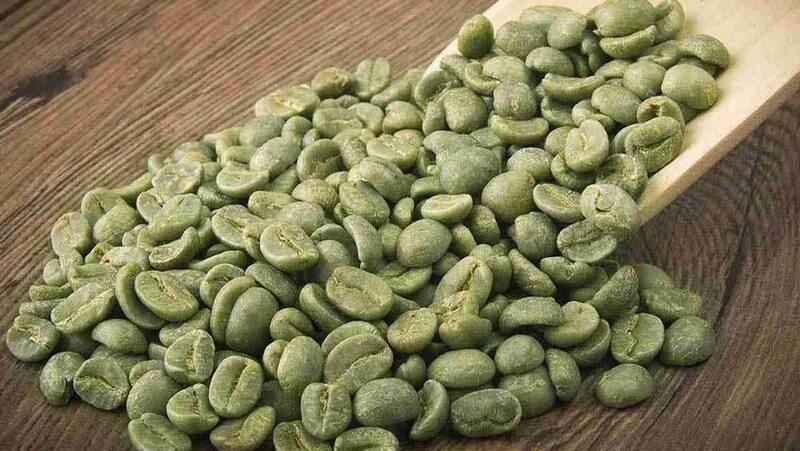
Green coffee beans, also called raw coffee beans, refer to unroasted coffee beans that haven’t gone through the roasting process. This is the natural state of coffee beans after being harvested from ripe coffee cherries and separated from the fruit skin. Unroasted coffee beans typically have a green or light green color and a characteristic bitter taste. Because they haven’t undergone roasting, green coffee beans usually retain more antioxidants and natural flavor compared to fully processed coffee.
How many types of green coffee beans are there?
Green coffee beans are truly diverse with many different varieties, which partly reflects the diversity of origins, growing locations, and processing methods.
- Arabica: Arabica is considered a premium variety with rich flavor. This type of coffee typically has a sweet, light taste and may have aromas of flowers, fruits, and grains. Arabica coffee is grown in regions at altitudes of 1,000 meters and above, where there are large temperature differences between day and night. Some popular Arabica varieties include Bourbon with its sweet flavor and high nutrient content, and Typica with its characteristic sour, aromatic flavor.
- Robusta: Robusta is suitable for tropical climates. Robusta coffee beans typically have high caffeine content, nearly double that of Arabica. It has a strong bitter flavor and is often preferred for espresso preparation. Vietnam is the world’s leading country in Robusta coffee exports, making a major contribution to the global coffee supply.
- Peaberry (Peaberry Robusta, Peaberry Arabica): Peaberry is a unique mutation of coffee, in which each coffee cherry contains only one bean. Because there’s only one bean in the coffee cherry, it increases the caffeine content in the coffee bean, bringing a characteristic bitter taste. Peaberry can be produced from both Arabica and Robusta, depending on the original variety. Peaberry coffee beans are often used to create strong and special coffee.
The differences between types of green coffee beans create many choices for coffee enthusiasts. From the sweet flavor of Arabica to the characteristic bitterness of Robusta and the uniqueness of Peaberry.
Latest updated green coffee beans price list
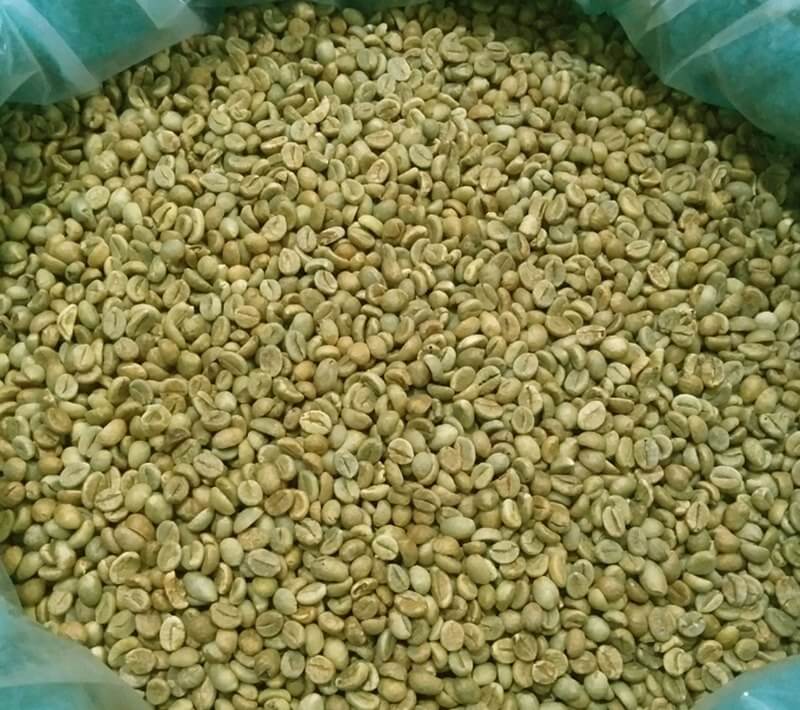
Green Robusta coffee beans prices
| Domestic Prices | Export Prices | ||||
|
Green Robusta Coffee Beans
|
Tay Nguyen | Dak Lak | Lam Dong | 2.5% broken |
5% broken
|
| $3.40 – $3.44/kg | $3.41 – $3.43/kg | $3.41 – $3.43/kg | $1,434 – $1,440/ton |
$1,410 – $1,416/ton
|
|
Green Arabica coffee beans prices
| Domestic Prices | Export Prices | |||
|
Green Arabica Coffee Beans
|
Arabica Culi | Arabica Robusta | 18/19 screen type |
17/18 screen type
|
| $2.25 – $2.29/kg | $2.17 – $2.21/kg | $2,340 – $2,345/ton |
$2,280 – $2,285/ton
|
|
How to classify green coffee beans
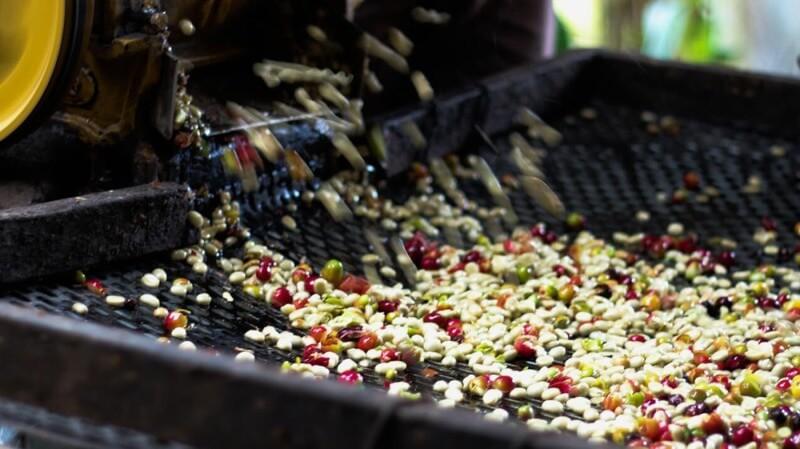
Classifying green coffee beans is a delicate and complex process. It requires deep understanding of the specific characteristics of each type of coffee and the production process. During this process, experts carefully evaluate each characteristic such as color, size, shape, and ripeness of each raw coffee bean.
By origin
Classification of coffee by origin is specific to each type of coffee and where they are grown. Each geographical region has its own characteristics and brings distinctive flavors. This creates flavor diversity and unique history for each type of coffee. For example, Arabica and Robusta are two popular types of coffee, but they have clear differences in taste, smell, and aroma.
By size and uniformity
The size and uniformity of green coffee beans are important factors in ensuring quality. Uniform coffee beans help ensure that the coffee roasting process will take place uniformly and optimally. Beans of uneven size can lead to uneven roasting, creating variations in the flavor and quality of the coffee.
By ripeness and flavor
Evaluating the ripeness and flavor of coffee is an important part of the classification process. This helps determine the level of aroma, sweetness, bitterness, and other flavor characteristics. For premium coffee brands, high quality standards are an important factor in maintaining reputation and loyal customers.
By growing environment
The growing environment also plays an important role in coffee classification. This includes terrain, altitude, climate, and natural environment. These factors directly affect the final flavor and quality of the coffee. Unroasted coffee beans grown at high altitudes may have a different flavor compared to coffee grown at low altitudes.
The process of classifying green coffee beans requires meticulousness and precision to ensure that each type of coffee achieves the best quality and flavor. This plays an important role in meeting the needs of the diverse coffee market.
Health benefits of green coffee beans
Green coffee beans are also becoming a new trend recently. Many people choose raw coffee beans because of their natural herbal aroma, which is easier to drink than roasted coffee. Above all are the wonderful benefits of green coffee beans for health.
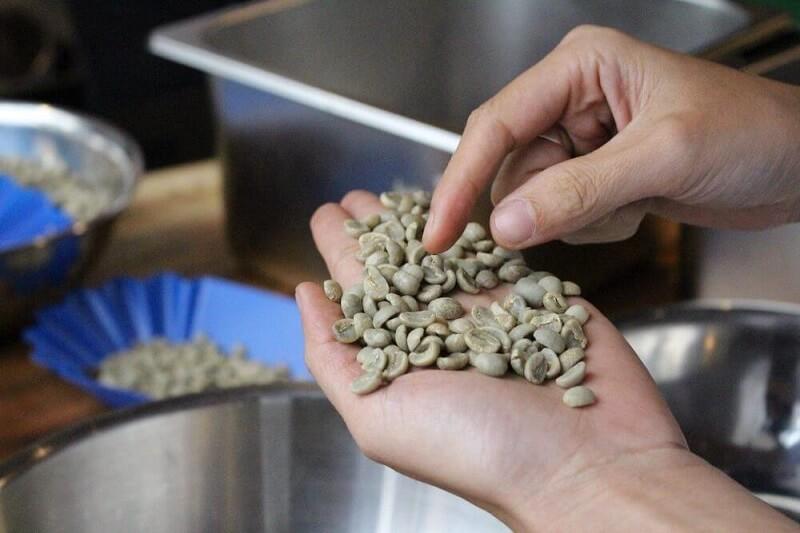
- Weight loss benefits: Green coffee beans contain a lot of chlorogenic acid that helps promote the body’s metabolic process. This is an important process that makes weight loss more effective.
- Blood sugar control: When using green coffee beans in appropriate amounts, it will help stabilize blood sugar well for the body, reducing the risk of cardiovascular disease by 30%.
- Improving Alzheimer’s disease: Some studies show that green coffee beans have the effect of improving some symptoms of Alzheimer’s disease. Using the right dosage will help fight oxidation in the brain, maintaining brain activity at a stable level.
- Fighting colorectal cancer: Polyphenols in green coffee beans are believed to have anti-colorectal cancer properties. However, this effect is still being thoroughly researched and has not yet reached an official conclusion.
It can be seen that green coffee beans bring many good health benefits to users. If you want to find a delicious drink but are afraid of the bitter taste of roasted coffee, try green coffee beans.
Standard green coffee beans processing procedure from A to Z
Green coffee beans will have a different processing procedure than roasted coffee. Processing raw coffee beans is simple and doesn’t take much time. The standard green coffee beans processing procedure will have the following steps:
- Step 1: Coffee is harvested in the traditional way by farmers’ hands. Ripe coffee cherries are selected and harvested to prepare for the processing process.
- Step 2: For coffee processed using the honey method, the skin is removed immediately and processed. If dry processed, the coffee cherries need to be sun-dried to reduce moisture before removing the skin.
- Step 3: After processing, the unroasted coffee beans will go through a moisture reduction stage, ensuring the moisture content in the coffee is 12.5%. Depending on the processing method, green coffee beans will be dried or sun-dried to reduce moisture.
- Step 4: When the raw coffee beans reach the appropriate moisture level, the screening stage begins. Coffee will be classified by size, impurities removed, and the finished product packaged.
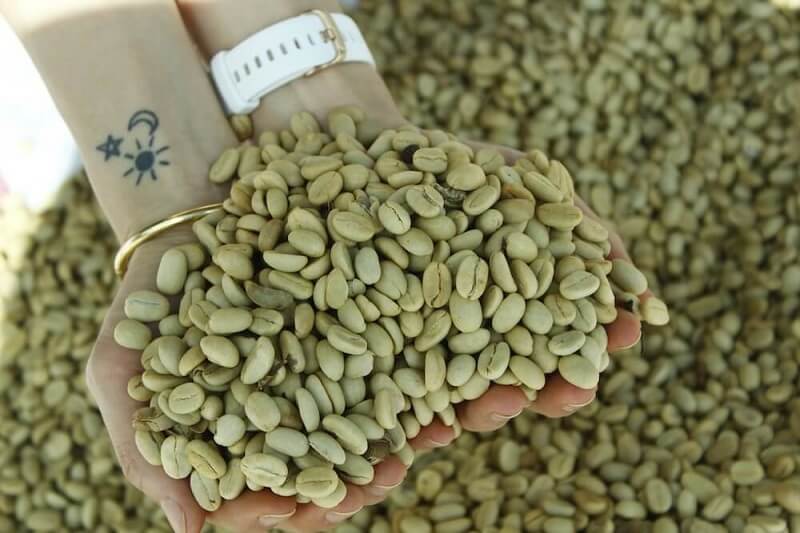
The process of processing green coffee beans is simpler and faster than roasted coffee. This ensures green coffee beans retain the largest amount of nutrients that are best for health.
Proper green coffee beans storage
Storing green coffee beans is an important part of the coffee production process. The most important thing is to ensure that the coffee is carefully selected and inspected before packaging.
- Storing raw coffee beans in jute bags or burlap sacks is one of the popular methods used in the coffee industry.
- The most important thing when applying this method is to ensure that green coffee beans have a moisture content below 13%, to avoid the development of mold and harmful bacteria.
- For grade I and II coffee, ensuring the percentage of impurities below < 0.5% will help ensure high quality and freshness of the coffee.
- Storing unroasted coffee beans in warehouses with thermal insulation systems and humidity control is very important to ensure that coffee is not affected by changes in ambient temperature and humidity.
- Using sealed silos is an effective solution for longer storage and space saving. This helps avoid the situation of tight compression between coffee bags, reducing the looseness of green coffee beans. This is important to ensure that coffee doesn’t get damaged during storage and transportation.

Through the above sharing, we hope that customers have more information about green coffee beans. Hello 5 Coffee is one of the leading units specializing in providing quality coffee in Vietnam, always with the most stable prices and the best quality.
