
Coffee bean density is one of the important factors for roasters and coffee buyers. It is an indicator that can affect the roasting process and the final flavor of coffee. By understanding coffee beans thoroughly, you can optimize the quality of your product. However, to fully grasp this concept, we need to delve into the factors that affect the beans, how they are classified, and the importance of density in the roasting process.
The Concept
Coffee bean density is simply the ratio between the weight of the coffee bean and its volume, usually measured in g/ml or g/cm³. This density reflects the degree of compactness of the cells inside the coffee bean. Coffee beans with high density often contain more nutrients and therefore have more flavor potential when roasted.
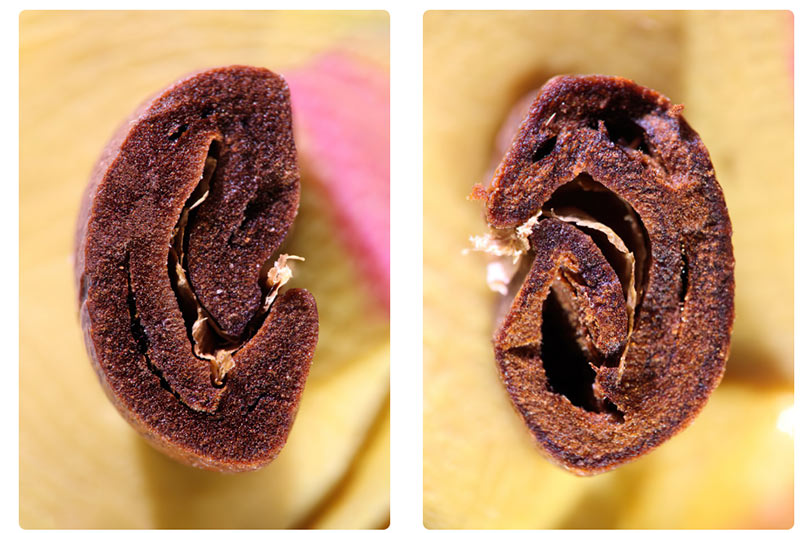
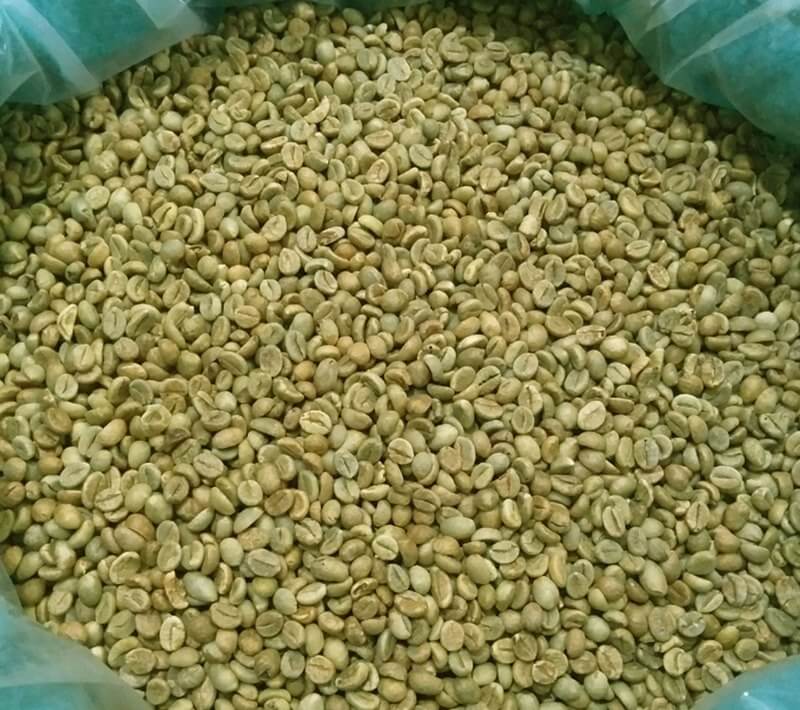
An easy way to determine density is to observe the shape of the cut mark on the coffee bean. Beans with straight and wide cracks usually have low density, while beans with narrow and curved cracks usually have high density. These coffee beans will have a firmer cellular structure, making the beans harder and of better quality.
The Importance
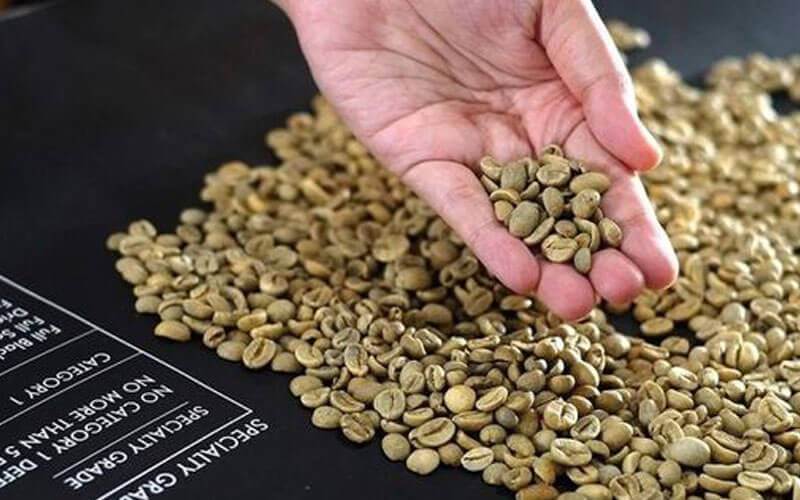
Density is an important measure in classifying and evaluating the quality of green coffee. Coffee beans with higher density are generally considered to be of better quality, and therefore have higher market value. These beans not only contain more nutrients, but they also have the ability to produce more flavor precursors during the roasting process. This means that when roasted, the final product will be richer in terms of flavor.
Influencing Factors
A series of factors have an impact. Among them, the altitude at which the plant is grown is an important factor, as it directly affects the growth rate of coffee beans.
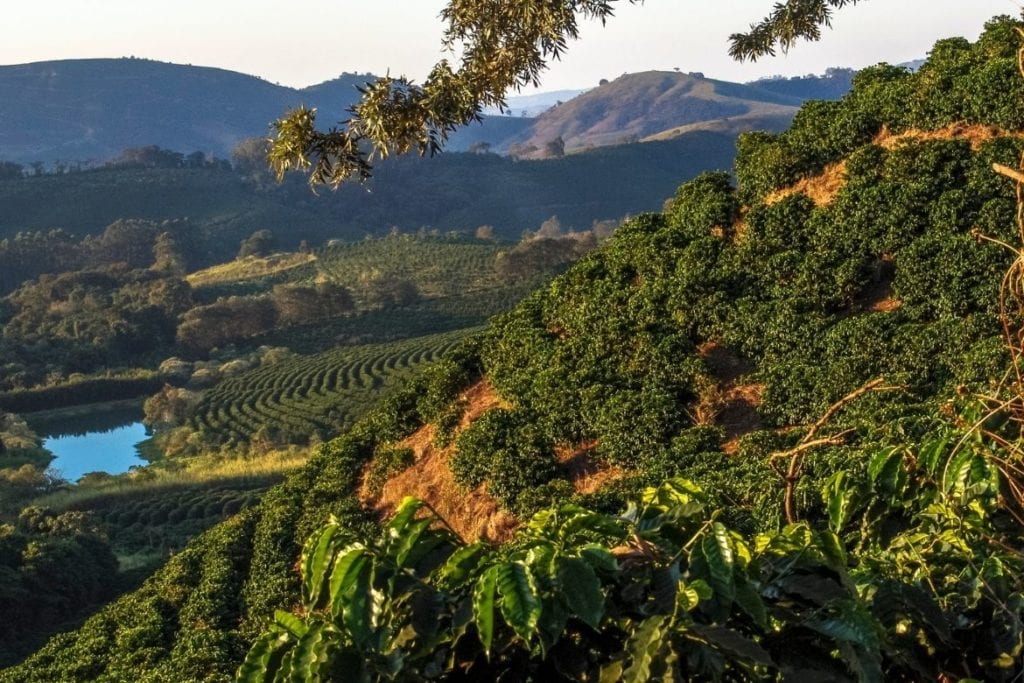
- Altitude: Coffee grown at high altitudes, usually above 1,200m, will have higher bean density. This is because the colder weather at altitude, especially at night, slows down the ripening process of the coffee fruit. This slow ripening allows the coffee beans to accumulate more nutrients, leading to higher bean density. The ripening process of coffee fruit is primarily controlled by the Krebs cycle, a series of chemical reactions in the plant that help produce energy from carbohydrates. At high altitudes, this cycle occurs more slowly, causing the coffee fruit to ripen more slowly.
- Temperature: Temperature is also an important factor affecting density. Too high temperatures cause the plant’s respiration process to be faster, leading to the consumption of energy and nutrients in the beans. This causes the bean density to decrease. Conversely, at lower temperatures, the plant retains more sugars and nutrients, helping the beans have higher density and better flavor.
- Light and shade: Shade can also affect density. Plants grown under shade will have cooler temperatures, which helps the plant ripen more slowly and increases bean density. Coffee plants grown close together can create their own shade, helping to keep the temperature of the growing area stable and cool.
Classification Method
In reality, the coffee industry does not yet have a unified standard for measuring bean density. However, there are some common classification methods based on the altitude at which coffee is grown and the hardness of the beans.
- Soft Bean (SB): This is the term used to refer to coffees grown at altitudes below 1,200m. These beans have lower density, usually less sweet and less acidic. They develop faster due to high temperatures and more oxygen in low altitude areas.
- Hard Bean (HB) or High Grown (HG): These are coffee beans grown at altitudes from 1,200m to 1,370m. Due to growing at higher altitudes, these coffee beans have higher density and more complex flavor thanks to the slow ripening process.
- Strictly Hard Bean (SHB) or Strictly High Grown (SHG): These are coffee beans grown at altitudes above 1,370m. These beans are considered to be of the best quality due to their high density and special flavor.
Bean Density and the Coffee Roasting Process
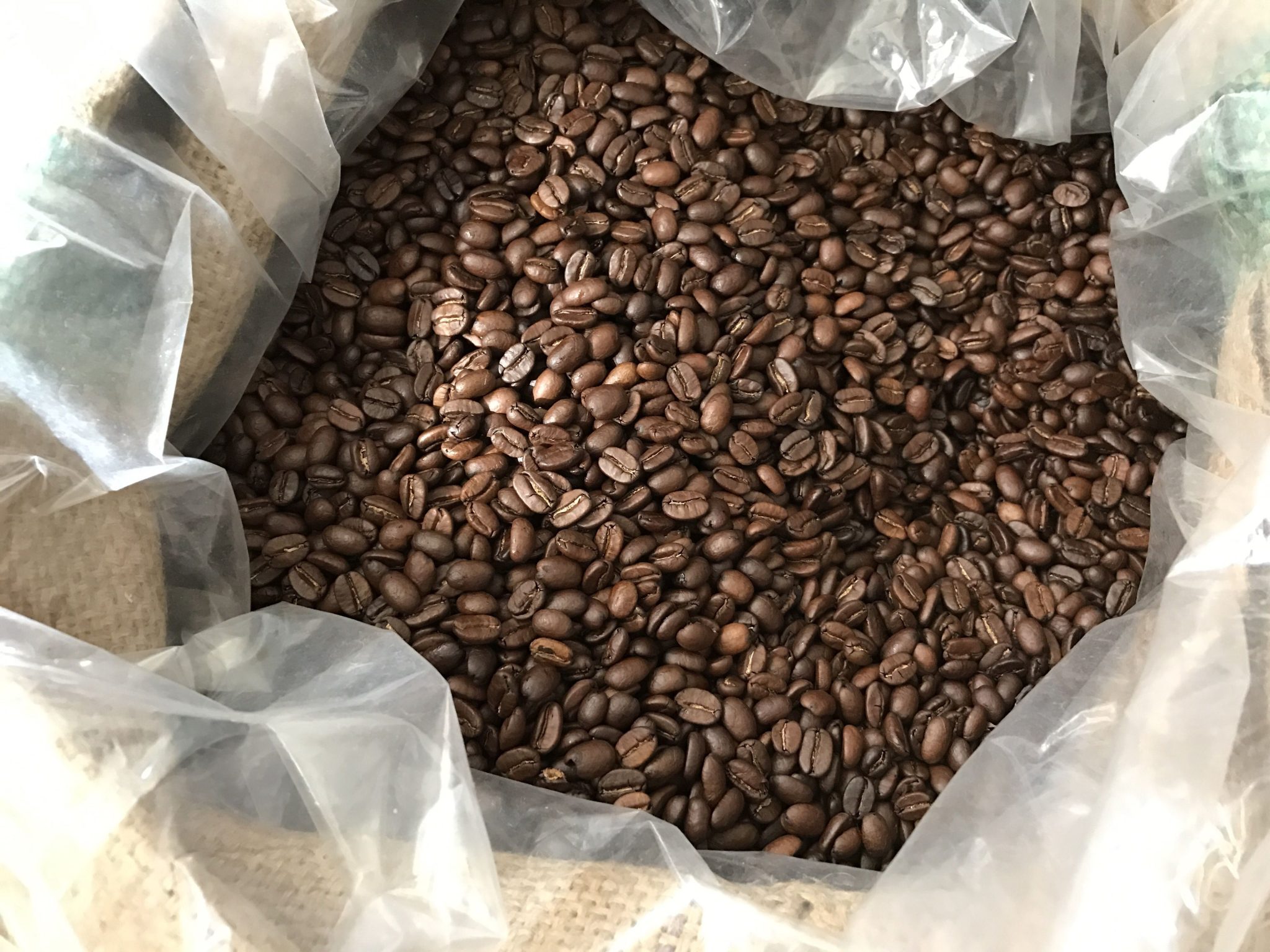
Bean density not only affects the quality of coffee beans but also plays an important role in the roasting process. Beans with higher density usually have a tighter cellular structure, making the heat transfer process in the beans occur faster. This means that when roasted, the beans will develop flavor faster than low-density beans.
- High-density beans: These beans usually need more heat to crack and develop flavor. The roasting process for these beans is also usually shorter than for low-density beans, because the tight cellular structure helps them transfer heat faster.
- Low-density beans: Conversely, low-density beans have a more porous structure, containing more air inside, so they need a longer roasting time for heat to penetrate deep inside the beans. However, roasting for too long can scorch the outer layers of the beans and reduce the quality of flavor.
Scott Rao, a coffee roasting expert, has pointed out that wet-processed coffee usually has higher density and requires more skillful roasting to develop flavor. Conversely, dry-processed coffee has a higher sugar content, is easier to burn during roasting, and therefore requires more caution when controlling temperature.
Practical Applications in the Coffee Industry
Understanding bean density not only helps roasters improve product quality but also helps them adjust the roasting process appropriate to each type of bean. Bean density also affects how coffee is brewed. High-density coffee beans will produce a richer cup of coffee, while low-density beans can produce lighter coffee.
Coffee bean density is a complex but very important factor for the quality and flavor of coffee. It is influenced by many factors from growing conditions such as altitude, temperature, and light to processing and storage methods.
Although density is not the only factor determining coffee quality, it is certainly one of the important parameters that any roaster needs to pay attention to.
